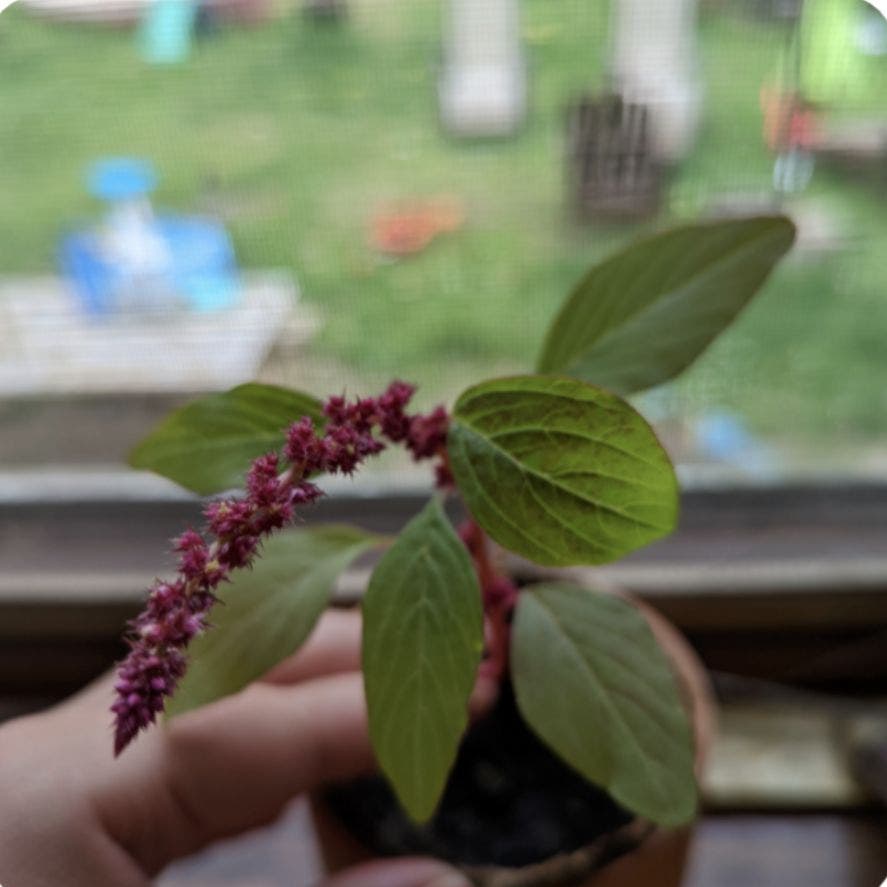
🌸 8 Tips for Growing Purple Amaranth Outdoors
Amaranthus cruentus
By the Greg Editorial Team
Sep 29, 2024•5 min read
This article was created with the help of AI so we can cover more plants for you. May contain errors. See one? Report it here.
Cultivate vibrant purple amaranth with essential sunlight and care tips for a flourishing garden! 🌱
- 🌞 Purple amaranth needs 6-8 hours of sunlight daily for optimal growth.
- 💧 Water weekly and mulch to retain moisture and regulate temperature.
- 🌱 Well-draining soil with pH 6.0-7.0 is essential for healthy plants.
Sunlight Needs
🌞 Ideal Sunlight Exposure
Purple amaranth thrives in full sun, requiring 6 to 8 hours of direct sunlight daily. In extremely hot climates, it benefits from morning sun paired with afternoon shade to prevent stress.
🌑 Impact of Insufficient Sunlight
Lack of adequate sunlight can lead to stunted growth and dull leaf color. Additionally, plants may become more vulnerable to pests and diseases, compromising their overall health.
Understanding these sunlight needs is crucial for successful growth. With the right exposure, your purple amaranth can flourish, setting the stage for vibrant foliage and a bountiful harvest.
Watering Requirements
General Guidelines 🌧️
Consistent moisture is crucial for healthy purple amaranth growth. Aim to water once a week, adjusting based on rainfall and soil moisture levels to avoid waterlogging.
Techniques for Effective Watering 💧
- Deep Watering: Ensure that water penetrates to the root zone, promoting strong root development.
- Drip Irrigation: This method efficiently maintains soil moisture without the risk of overwatering, making it a smart choice for busy gardeners.
- Mulching: Applying mulch helps retain soil moisture and regulate temperature, creating a more stable environment for your plants.
By following these watering requirements, you'll set your purple amaranth up for success. Next, let’s explore the ideal soil conditions and fertilization tips to further enhance its growth.
Soil Preferences and Fertilization
Ideal Soil Conditions 🌱
Purple amaranth thrives in well-draining soil with a pH between 6.0 and 7.0. Loamy or sandy soils are particularly beneficial, allowing for optimal growth and root development.
Fertilization Tips 💧
During the growing season, use a balanced fertilizer, specifically NPK 10-10-10. Aim to fertilize every 4-6 weeks to keep your plants healthy and vibrant.
Signs of Nutrient Deficiency ⚠️
Watch for yellowing leaves, which often indicate nitrogen deficiency. If you notice poor growth, it may signal a lack of phosphorus or potassium, so keep an eye on your plants.
Understanding soil preferences and fertilization needs is crucial for growing healthy purple amaranth. Next, let’s explore the best planting options and protection strategies to ensure your plants thrive outdoors.
Planting Options and Protection Strategies
🌱 Container vs. In-Ground Planting
Container Planting
Container planting offers flexibility. You can easily move pots to optimize sunlight exposure or protect them from harsh weather.
However, containers come with limitations. They restrict root growth and require more frequent watering, especially in hot conditions.
In-Ground Planting
In-ground planting provides ample space for roots to spread. This method also helps retain moisture better than containers.
On the downside, it can be harder to manage soil quality. Additionally, plants in the ground may face more threats from soil-borne pests and diseases.
☔️ Weather Protection Techniques
Protecting your purple amaranth from extreme weather is crucial. Using row covers or cloches can shield your plants from harsh temperatures.
Mulching is another effective strategy. It not only protects roots from frost but also helps retain soil moisture, ensuring your plants thrive.
🐞 Common Outdoor Pests and Control Methods
Aphids
Aphids are a common nuisance. Look for sticky residue on leaves or curled foliage as signs of their presence.
To combat aphids, consider using neem oil or insecticidal soap. These methods are effective and eco-friendly.
Spider Mites
Spider mites can wreak havoc on your plants. Fine webbing and stippled leaves are telltale signs of an infestation.
To control spider mites, increase humidity around your plants. Introducing predatory mites can also help keep their population in check.
With these planting options and protection strategies, you can cultivate healthy purple amaranth. Next, let’s explore seasonal care and climate considerations to ensure your plants flourish throughout the year.
Seasonal Care and Climate Considerations
🌦️ Seasonal Changes and Their Impact
Understanding seasonal changes is crucial for growing purple amaranth. Temperature and light variations directly affect growth cycles, influencing everything from germination to flowering.
❄️ Winter Care
In colder climates, winter can be tough on your plants. Consider bringing containers indoors or using protective covers to shield them from harsh conditions.
🌱 Spring Planting Tips
Spring is the perfect time to plant purple amaranth. Aim to plant after the last frost date and amend your soil with compost to ensure rich nutrients for optimal growth.
☀️ Summer Maintenance Strategies
Summer heat can stress your plants, so regular watering and mulching are essential. Keep an eye out for pests and diseases, as increased humidity can create a breeding ground for issues.
🍂 Fall Preparation
As fall approaches, it's time to harvest seeds before the frost hits. Also, prepare your garden bed for winter by cleaning up debris, which helps prevent disease.
🌍 Best Climate Zones
Purple amaranth thrives in USDA zones 9-11. In cooler zones, it can be grown as an annual, but be mindful of the climate's impact on growth.
🌡️ Adjusting Care Based on Climate
In hotter zones, increase watering and provide shade during peak sun hours. Conversely, in cooler zones, consider using row covers to extend your growing season.
With these seasonal care tips, you'll be well-equipped to nurture your purple amaranth throughout the year. Next, let’s explore the best practices for soil preferences and fertilization to ensure your plants get the nutrients they need.
⚠️ Safety First
This content is for general information and may contain errors, omissions, or outdated details. It is not medical, veterinary advice, or an endorsement of therapeutic claims.
Always consult a qualified healthcare professional before using any plant as food, medicine, or supplement.
Never eat any plant (or feed one to pets) without confirming its identity with at least two trusted sources.
If you suspect poisoning, call Poison Control (800) 222-1222, the Pet Poison Helpline (800) 213-6680, or your local emergency service immediately.
Spotted an error? Please report it here.
Cultivating purple amaranth is easier than you think 🌱—let Greg guide you with tailored watering reminders and sunlight tips to help your garden flourish!