📏 How Tall Your Mexican Grain Amaranth Can Get
Amaranthus cruentus
By the Greg Editorial Team
Sep 30, 2024•5 min read
This article was created with the help of AI so we can cover more plants for you. May contain errors. See one? Report it here.
Transform your garden with vibrant Mexican grain amaranth 🌱—grow towering plants quickly and easily for stunning results!
- 🌱 Mexican grain amaranth grows 3 to 10 feet tall, depending on variety and conditions.
- ☀️💧 Sunlight and soil quality are crucial for achieving optimal height and health.
- ✂️ Pruning techniques can control height, promoting bushier growth for better aesthetics.
Mature Height and Spread
Typical Mature Height 🌱
Mexican grain amaranth can grow impressively tall, typically reaching heights between 3 to 8 feet. This range largely depends on growing conditions, including soil quality, sunlight, and water availability.
Factors Influencing Height 📏
Soil quality plays a crucial role in determining how tall your plants will grow. Adequate sunlight and consistent watering also significantly impact their overall height.
Plant Spread 🌿
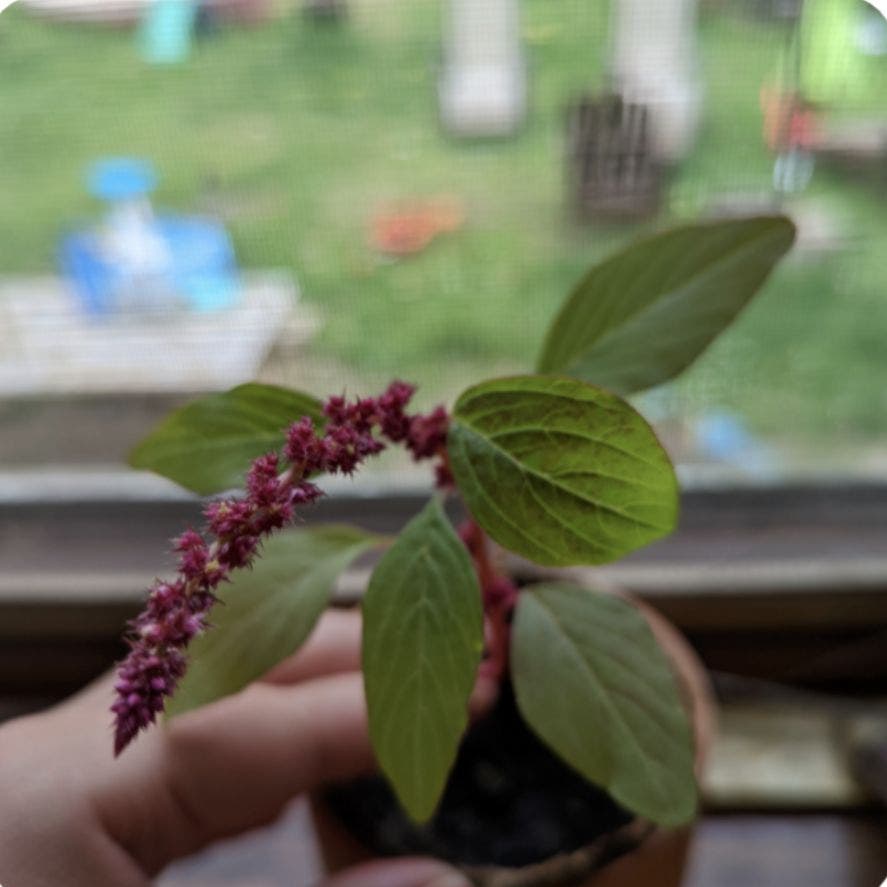
In addition to height, the average spread of amaranth is about 2 to 3 feet. The plant exhibits a broad, leafy structure adorned with vibrant flower clusters, making it a striking addition to any garden.
Growth Habit 🌳
The growth habit of amaranth is not just about height; it’s about creating a lush, full appearance. This broad structure can provide excellent coverage and visual appeal in your garden.
Height Control Techniques ✂️
Managing the height of your amaranth is essential for optimizing space, especially in smaller gardens.
Recommended Practices for Controlling Height 📏✂️
To control height effectively, consider pruning techniques. Regularly pinching back tips and removing lower leaves can help maintain a desirable size while promoting healthy growth.
By understanding the mature height and spread of Mexican grain amaranth, you can better plan your garden layout and care strategies. This knowledge sets the stage for exploring its growth rate and time to maturity, ensuring you cultivate a thriving plant.
Growth Rate and Time to Maturity
🌱 Growth Rate
Mexican grain amaranth is known for its rapid growth under optimal conditions. Typically, it reaches maturity in just 70 to 90 days, making it a quick addition to your garden.
⏳ Time to Maturity
Several factors influence the time it takes for amaranth to mature. Soil quality, sunlight exposure, and watering practices all play crucial roles in determining how quickly your plants will thrive.
🌍 Environmental Factors
Different environments can lead to varying growth rates. For instance, plants in nutrient-rich soil and full sunlight will generally mature faster than those in less favorable conditions.
📊 Summary
Understanding these growth dynamics can help you plan your planting schedule effectively. By optimizing your growing conditions, you can enjoy a bountiful harvest of this nutritious grain.
Size Variability Based on Conditions
🌍 Environmental Impact on Size
The climate plays a crucial role in the growth of Mexican grain amaranth. In warmer climates, these plants thrive, often reaching their maximum height and spread, while cooler climates can stunt their growth.
Temperature fluctuations also influence size. Consistent warmth promotes robust growth, while sudden drops can lead to shorter plants with less spread.
🏞️ Soil Quality Effects
Soil quality directly correlates with plant size. Nutrient-rich soils lead to healthier, taller plants, while poor soil can hinder growth significantly.
To optimize growth, consider adding organic matter or fertilizers. These amendments can enhance nutrient availability, ensuring your amaranth reaches its full potential.
☀️ Sunlight Requirements
Mexican grain amaranth flourishes in full sun, ideally receiving 6 to 8 hours of direct sunlight daily. This exposure is vital for robust growth and vibrant foliage.
Insufficient sunlight can severely impact size and growth rate. Plants may become leggy and underdeveloped, so ensure they are positioned to soak up the sun's rays.
Understanding these factors will help you cultivate healthier, more vibrant amaranth plants. Next, let’s explore the differences between dwarf and giant varieties to find the best fit for your garden.
Dwarf vs. Giant Varieties
Dwarf Varieties 🌱
Dwarf varieties of Mexican grain amaranth typically reach heights of just 1 to 2 feet. These compact plants are perfect for smaller gardens or container growing, making them a popular choice for urban gardeners.
Ideal growing conditions for dwarf varieties include well-drained soil and full sunlight. They thrive in environments where they can soak up 6 to 8 hours of direct sunlight daily.
Giant Varieties 🌳
On the other hand, giant varieties can soar up to 10 feet tall, creating a striking presence in any garden. These towering plants are best suited for spacious areas where they can fully express their growth potential.
To achieve maximum height, ensure they receive ample nutrients and consistent watering. A sunny location is crucial for these giants to flourish.
Size Variability Among Varieties 📏
When comparing dwarf and giant varieties, the growth habits differ significantly. Dwarfs are bushy and compact, while giants tend to have a more vertical growth pattern.
When selecting the right variety, consider your available space and intended use. Dwarfs are ideal for decorative borders or small pots, while giants can serve as impressive focal points in larger landscapes.
Understanding these differences helps you make informed choices for your garden, ensuring you get the most out of your Mexican grain amaranth experience.
Controlling Size
Pruning Techniques for Size Management ✂️
Managing the height and spread of your Mexican grain amaranth is essential for optimal growth. Start by pruning in early spring, just before new growth begins.
To effectively control size, pinch back the tips of the stems and remove lower leaves. This encourages a bushier plant while keeping it within your desired dimensions. Always use clean, sharp pruning shears to make precise cuts.
Tips for Encouraging Desired Growth Dimensions 📏
To promote specific sizes, adjust your care practices accordingly. Regularly monitor your plants and be ready to tweak watering and nutrient levels based on their growth patterns.
Consider factors like sunlight exposure and soil quality, as these can significantly influence plant dimensions. Staying attentive to these elements will help you achieve the size you want.
Impact of Container Growing on Size Control 🪴
Container size plays a crucial role in controlling plant dimensions. A smaller pot can restrict root growth, leading to a more compact plant.
For best results, choose pots that are at least 12 inches in diameter for standard varieties. This allows enough room for roots to spread while keeping the plant manageable.
By understanding these techniques, you can cultivate your Mexican grain amaranth to fit your space and aesthetic needs. Next, let’s explore how environmental factors can further influence plant size.
⚠️ Safety First
This content is for general information and may contain errors, omissions, or outdated details. It is not medical, veterinary advice, or an endorsement of therapeutic claims.
Always consult a qualified healthcare professional before using any plant as food, medicine, or supplement.
Never eat any plant (or feed one to pets) without confirming its identity with at least two trusted sources.
If you suspect poisoning, call Poison Control (800) 222-1222, the Pet Poison Helpline (800) 213-6680, or your local emergency service immediately.
Spotted an error? Please report it here.
Unlock the full height potential of your Mexican grain amaranth 🌱 with Greg's tailored care reminders and tips to ensure your plants thrive beautifully in your garden!