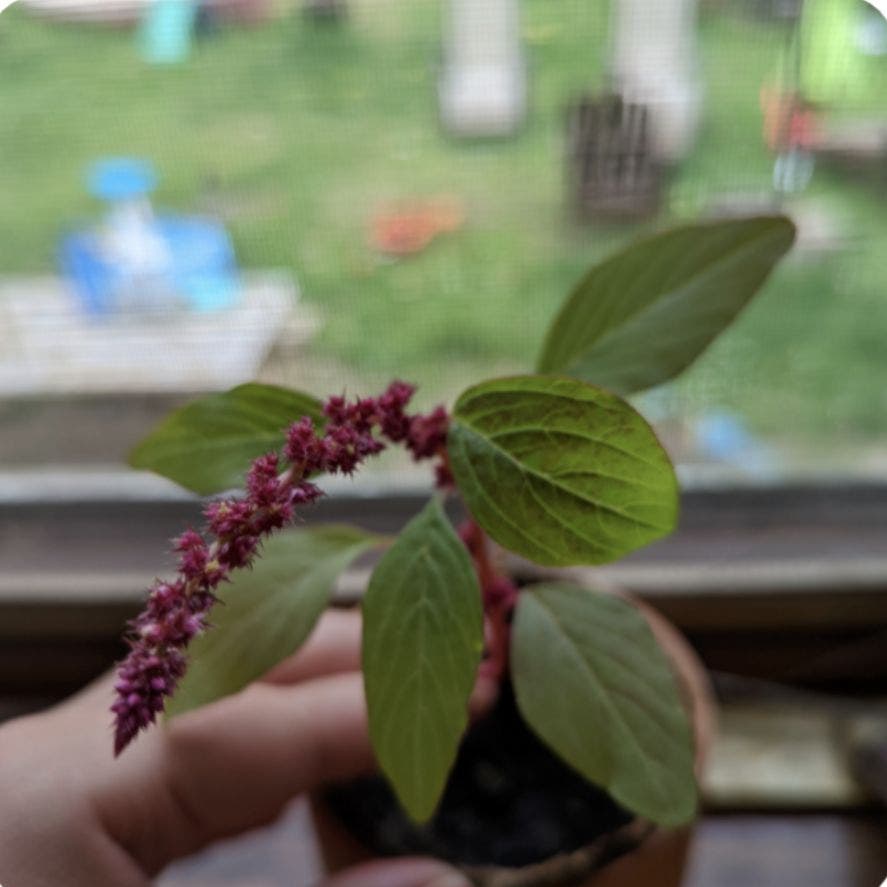
❄️ Frost-Hardy Mexican Grain Amaranth Zones 2a-11b
Amaranthus cruentus
By the Greg Editorial Team
Sep 30, 2024•2 min read
This article was created with the help of AI so we can cover more plants for you. May contain errors. See one? Report it here.
Unlock the secrets to thriving Mexican Grain Amaranth 🌱 in any climate, from frigid winters to blazing summers! ☀️
- ❄️🌱 Mexican Grain Amaranth thrives in zones 2a-11b, surviving temperatures as low as -40°F.
- 🌞🌾 Ideal for warm climates, it flourishes in high heat and humidity, up to 100°F.
- 🌍🌿 Microclimates enhance growth, making it versatile across diverse U.S. regions.
Mexican Grain Amaranth Hardiness
🌡️ Temperature Ranges for Cold Tolerance
Mexican Grain Amaranth is remarkably resilient, capable of surviving temperatures as low as -40°F (-40°C) in hardiness zone 2a. This cold tolerance allows it to withstand light frosts, making it an excellent choice for early spring planting.
🔥 Temperature Ranges for Heat Tolerance
On the flip side, this grain thrives in heat, flourishing in temperatures up to 100°F (38°C) and enduring high humidity levels. Understanding the impact of temperature fluctuations, especially between day and night, is crucial for optimal growth.
🌍 Ideal Growing Regions
When it comes to ideal growing regions, states like California, Texas, and Florida shine due to their warm climates and extended growing seasons. Interestingly, northern states such as Minnesota and North Dakota can also support this crop in specific microclimates.
🌦️ Microclimates and Their Impact
Microclimates refer to localized climate conditions that can differ significantly from the surrounding areas. These unique environments can provide warmer conditions, such as south-facing slopes or urban heat islands, which are particularly beneficial for growing Mexican Grain Amaranth.
🗺️ State-Level Suitability
In terms of state-level suitability, California, Texas, Florida, Minnesota, and North Dakota fall within the ideal hardiness zones of 2a-11b. Conversely, states like Alaska and parts of the Northeast struggle due to extreme cold and short growing seasons.
Understanding climate extremes and soil conditions is vital. Harsh winters and insufficient heat can hinder growth, especially in areas with poor drainage or nutrient-deficient soils.
As we explore the next section, we'll delve deeper into the specific growing techniques that can maximize the potential of Mexican Grain Amaranth in various climates.
⚠️ Safety First
This content is for general information and may contain errors, omissions, or outdated details. It is not medical, veterinary advice, or an endorsement of therapeutic claims.
Always consult a qualified healthcare professional before using any plant as food, medicine, or supplement.
Never eat any plant (or feed one to pets) without confirming its identity with at least two trusted sources.
If you suspect poisoning, call Poison Control (800) 222-1222, the Pet Poison Helpline (800) 213-6680, or your local emergency service immediately.
Spotted an error? Please report it here.
Grow resilient Mexican Grain Amaranth 🌱 with Greg's personalized care tips and reminders, ensuring your crop thrives in any climate from -40°F to 100°F!