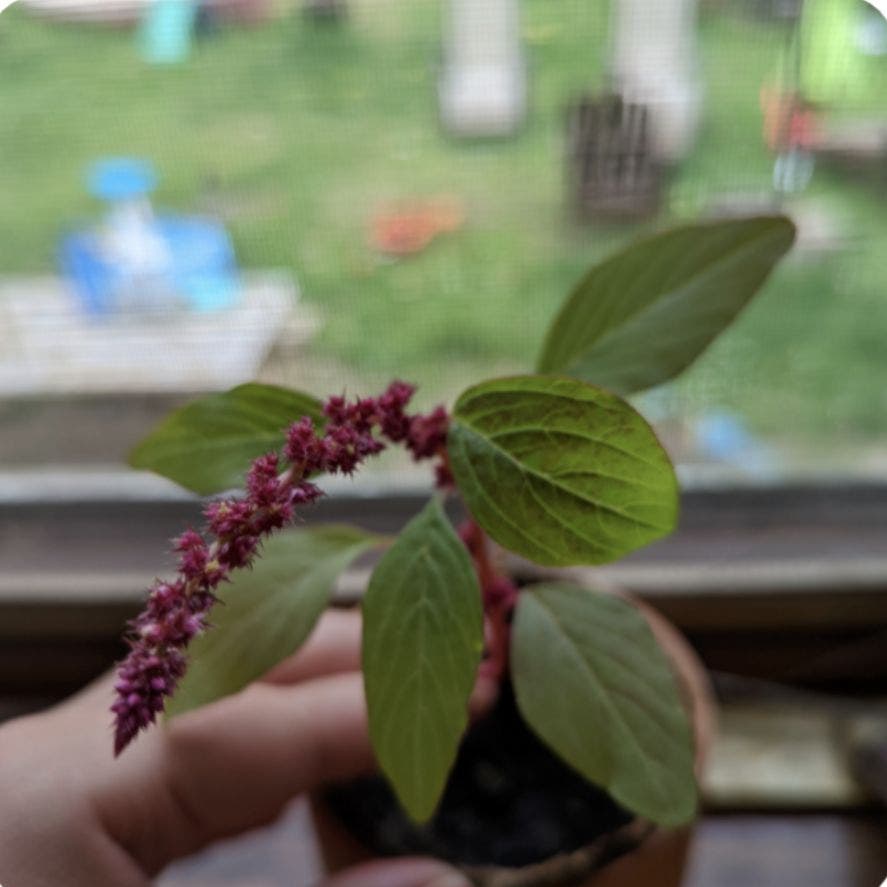
❄️ Frost-Hardy Purple Amaranth Zones 2a-11b
Amaranthus cruentus
By the Greg Editorial Team
Sep 29, 2024•4 min read
This article was created with the help of AI so we can cover more plants for you. May contain errors. See one? Report it here.
Master purple amaranth's temperature tolerance 🌱 for a thriving garden and bountiful harvest!
- ❄️🌱 Purple Amaranth thrives in USDA zones 2a-11b, tolerating extreme temperatures from -40°F to 100°F.
- ☀️ Full sun and well-drained soil are essential for vibrant growth and bountiful harvests.
- 🌍 Microclimates and urban heat can extend growing zones, enhancing gardening success.
Temperature Tolerance of Purple Amaranth
❄️ Cold Tolerance Specifics
Purple Amaranth is remarkably resilient, capable of surviving temperatures as low as -40°F (-40°C) in USDA zone 2a. This cold tolerance allows for early spring planting, as it can withstand light frosts without significant damage.
☀️ Heat Tolerance Specifics
On the flip side, this hardy plant thrives in warmer climates, with a maximum temperature tolerance of up to 100°F (38°C). As long as it receives adequate moisture, Purple Amaranth can adapt well to high temperatures, making it versatile across various regions.
🌡️ Ideal Temperature Ranges for Growth
For optimal growth, Purple Amaranth flourishes best in temperatures ranging from 70°F to 85°F (21°C to 29°C). Within this ideal range, you'll notice faster growth rates, allowing for a more bountiful harvest.
Understanding these temperature tolerances is crucial for successful cultivation. Next, we’ll explore the ideal growing regions for Purple Amaranth, ensuring you know where this resilient plant can thrive best.
Ideal Growing Regions
Examples of US States Suitable for Growing 🌎
Purple Amaranth thrives across a diverse range of climates in the United States, particularly in USDA zones 2a-11b.
Northern States: Minnesota, North Dakota, and South Dakota are ideal for their cold tolerance. These regions can handle the plant's ability to survive frigid temperatures.
Southern States: Texas, Florida, and California shine in warmer climates, where heat tolerance allows for robust growth. These states provide the warmth that Purple Amaranth craves.
Factors Contributing to Ideal Growing Conditions 🌱
To cultivate Purple Amaranth successfully, certain environmental factors are essential.
Soil Preferences: This plant flourishes in well-drained, nutrient-rich soils. Such conditions promote healthy root development and overall growth.
Sunlight Requirements: Full sun exposure is crucial, with 6-8 hours of sunlight daily. Adequate sunlight ensures the plant reaches its full potential, leading to vibrant foliage and bountiful harvests.
Understanding these ideal growing regions and conditions can significantly enhance your gardening experience. With the right environment, Purple Amaranth can thrive beautifully, setting the stage for a fruitful growing season.
Next, let’s explore how microclimates can further influence the growing potential of this resilient plant.
Microclimates and Their Impact
🌤️ How Microclimates Can Extend Growing Zones
Microclimates are localized areas that experience different climatic conditions than the surrounding regions. They can significantly extend the growing zones for plants like purple amaranth.
Urban areas, sheltered gardens, and south-facing slopes are prime examples of microclimates. These spots often provide warmer temperatures, allowing for earlier planting and longer growing seasons.
🌆 Examples of Microclimates Affecting Growth
Urban heat islands are fascinating phenomena where cities retain heat due to concrete and asphalt. This effect can create a more favorable environment for growing purple amaranth, even in cooler zones.
Coastal areas also play a crucial role in extending growing ranges. The ocean's influence moderates temperatures, providing milder conditions that can benefit plant growth.
Understanding microclimates can empower gardeners to make the most of their local conditions. By recognizing these unique environments, you can optimize your planting strategies for purple amaranth and other frost-hardy plants.
As we explore the ideal growing regions next, consider how these microclimates might influence your gardening choices.
State-Level Suitability Analysis
List of States in Suitable Hardiness Zones (2a-11b) 🌱
Purple amaranth thrives in a variety of climates across the United States. Here’s a quick look at states where it flourishes:
- Northern States: Minnesota, North Dakota, South Dakota
- Southern States: Texas, Florida, California
These regions offer the right balance of temperature and conditions for optimal growth.
List of States Not Suitable for Purple Amaranth 🚫
Not every state can support the growth of purple amaranth. Here are examples of states where it struggles:
- Alaska: Falls under zone 1, too cold for survival.
- Hawaii: Zone 12, with excessive heat and humidity.
These extremes make it challenging for purple amaranth to thrive.
Reasons for Unsuitability in Certain States ❌
Understanding why certain states are unsuitable helps in planning your garden.
- Extreme Cold: States like Alaska experience temperatures consistently below -40°F (-40°C), making it impossible for purple amaranth to survive.
- Extreme Heat: States that face prolonged high temperatures exceeding 100°F (38°C) without adequate moisture can also hinder growth.
By knowing these factors, you can better choose where to plant your purple amaranth for the best results.
As you consider your gardening options, keep in mind the importance of selecting the right climate for your plants. This sets the stage for a thriving garden and a bountiful harvest.
⚠️ Safety First
This content is for general information and may contain errors, omissions, or outdated details. It is not medical, veterinary advice, or an endorsement of therapeutic claims.
Always consult a qualified healthcare professional before using any plant as food, medicine, or supplement.
Never eat any plant (or feed one to pets) without confirming its identity with at least two trusted sources.
If you suspect poisoning, call Poison Control (800) 222-1222, the Pet Poison Helpline (800) 213-6680, or your local emergency service immediately.
Spotted an error? Please report it here.
Cultivate thriving Purple Amaranth 🌿 in any climate with Greg's personalized care tips and reminders, ensuring your garden flourishes from frost to heat!