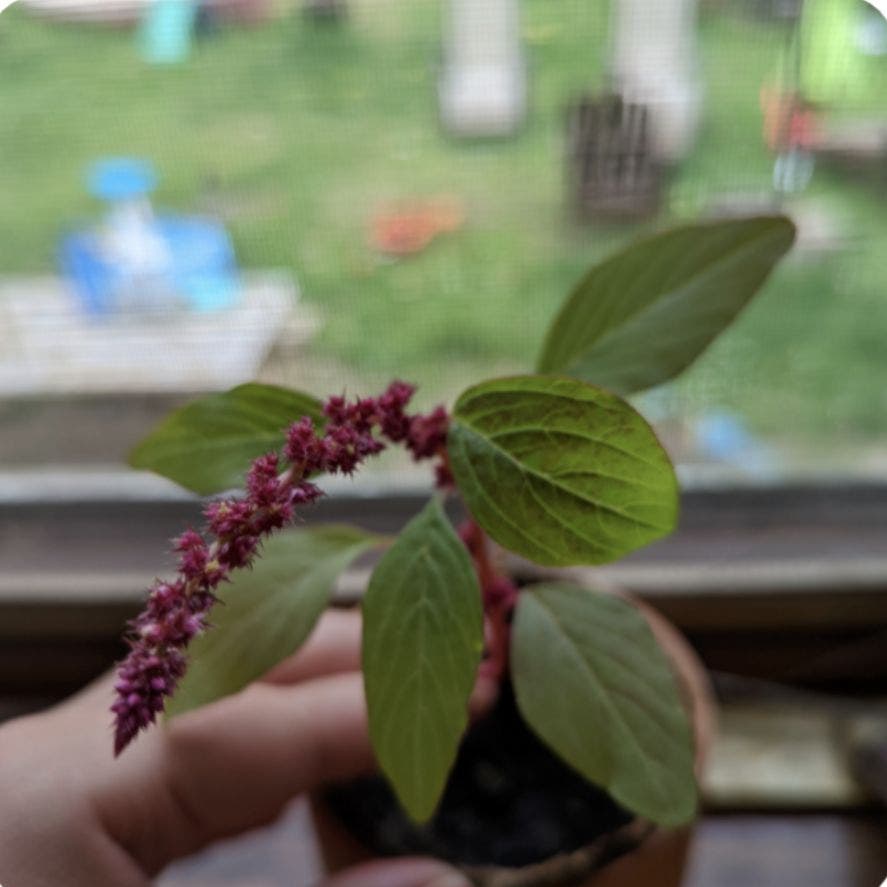
🌸 6 Tips for Fixing Flower Problems in Purple Amaranth
Amaranthus cruentus
By the Greg Editorial Team
Sep 29, 2024•5 min read
This article was created with the help of AI so we can cover more plants for you. May contain errors. See one? Report it here.
Transform your Purple Amaranth blooms 🌸 by mastering essential care tips and overcoming common growth challenges!
- 🌞 Purple Amaranth needs 6-8 hours of sunlight daily for vibrant blooms.
- 🌱 Improve soil quality with compost to boost flower production and root health.
- 🐛 Monitor for pests like aphids to prevent flower drop and ensure plant vitality.
Failure to Bloom
🌞 Causes
Insufficient Light
Purple Amaranth thrives on full sun exposure, requiring 6-8 hours of direct sunlight daily. When shaded, these plants struggle to bloom, leading to disappointing results.
Poor Soil Quality
Well-draining soil is crucial for healthy growth. Compacted or nutrient-poor soil can stifle root development, ultimately affecting flower production.
Nutrient Deficiencies
Key nutrients like phosphorus and potassium are essential for flowering. Signs of deficiencies include stunted growth and lack of blooms, indicating your plants need a nutrient boost.
💡 Solutions
Adjusting Light Exposure
Relocating your Purple Amaranth to sunnier spots can significantly enhance blooming. Consider using reflective surfaces to maximize light exposure, especially in partially shaded areas.
Soil Amendments
Incorporating organic matter, such as compost, can improve soil quality. Testing soil pH and making necessary adjustments will create a more conducive environment for flowering.
Fertilization
Opt for fertilizers that are high in phosphorus to promote blooming. Regular application, especially during the growing season, will ensure your plants have the nutrients they need to flourish.
By addressing these causes and implementing effective solutions, you can encourage your Purple Amaranth to bloom beautifully. Next, let’s explore what to do when flowers drop prematurely.
Premature Flower Drop
🌡️ Causes
Environmental Stress
Temperature fluctuations can wreak havoc on your Purple Amaranth. When temperatures swing dramatically, flowers may drop prematurely, leaving you with fewer blooms.
Humidity levels also play a crucial role. High humidity can lead to a lack of airflow, which affects flower retention and overall plant health.
Overwatering
Overwatering is a common culprit behind flower drop. Look for signs like yellowing leaves and wilting, which indicate that your plant is drowning.
Poor drainage can lead to root rot, further exacerbating the issue. Ensuring your plant has well-draining soil is essential for its health.
Pest Infestations
Common pests like aphids and spider mites can significantly impact your flowers. Identifying these pests early is key to preventing bud drop.
These pests not only damage the flowers but can also weaken the entire plant, making it more susceptible to stress.
💧 Solutions
Proper Watering Techniques
To combat premature flower drop, adopt proper watering techniques. Water your Purple Amaranth deeply but infrequently, allowing the soil to dry out between waterings.
This approach encourages strong root development and reduces the risk of overwatering.
Pest Management
Managing pests is crucial for maintaining healthy blooms. Consider organic control methods like neem oil or insecticidal soap to keep infestations at bay.
If necessary, chemical options are available, but always follow application guidelines to minimize harm to your plants.
🌱 Stress Reduction
Creating a stable growing environment can significantly reduce flower drop. Monitor temperature and humidity levels to ensure they remain consistent.
A little attention to your plant's surroundings can go a long way in promoting healthy blooms.
By addressing these causes and implementing effective solutions, you can help your Purple Amaranth thrive and enjoy a vibrant display of flowers. Next, let’s explore how to manage pests and diseases that may impact your plant's development.
Abnormal Flower Development
🌱 Causes
Genetic Factors
The quality of seeds plays a crucial role in the flowering of Purple Amaranth. Variability among different varieties can lead to unexpected flower development, affecting both appearance and yield.
Nutrient Imbalances
Nutrient excess or deficiency can manifest in various symptoms, such as stunted growth or discolored leaves. Balanced fertilization is essential to ensure healthy flowering and overall plant vitality.
Improper Pruning
Pruning mistakes can significantly impact flowering. Understanding the right timing and techniques for pruning can make a world of difference in your plant's bloom potential.
💡 Solutions
Selecting Healthy Seeds
Choosing high-quality seeds is the first step toward successful flowering. Always source seeds from reputable suppliers to ensure genetic integrity and vitality.
Balanced Fertilization
Aim for nutrient ratios that support flowering, typically high in phosphorus and potassium. Timing your fertilization to align with the bloom cycle can enhance flower production.
Correct Pruning Methods
Implement best practices for pruning to encourage robust blooms. Prune at the right time, ideally just before the flowering cycle begins, to promote healthy growth and flowering.
By addressing these causes and implementing effective solutions, you can nurture your Purple Amaranth to achieve vibrant and abundant flowers. Next, let’s explore pest and disease management to further safeguard your plants.
Pest and Disease Management
🐜 Common Pests Affecting Flowering
Identification of Pests
Purple Amaranth can fall victim to several common pests, notably aphids and spider mites. Look for signs like curled leaves, sticky residue, or visible insects to identify infestations early.
Pests can severely impact flowering and overall plant health by draining nutrients and causing stress. This can lead to reduced blooms and even plant death if not addressed promptly.
Organic and Chemical Control Methods
For those seeking eco-friendly solutions, organic options like insecticidal soap and introducing beneficial insects can be effective. These methods help control pests without harming the environment.
If the infestation is severe, chemical options may be necessary. Always follow application guidelines to minimize harm to beneficial insects and the surrounding ecosystem.
🦠 Diseases Impacting Flower Development
Common Diseases
Fungal infections are a significant threat to Purple Amaranth, often manifesting as discolored spots or wilting leaves. Identifying these diseases early can help mitigate their impact on flowering.
Diseases can drastically reduce flower quality and yield, making it essential to monitor your plants regularly for any signs of distress.
Prevention and Treatment Strategies
To prevent diseases, ensure good air circulation and avoid overwatering. These practices create an environment less conducive to fungal growth.
If your plants do become infected, treatment options include recommended fungicides. Apply them according to the instructions to effectively combat the disease while protecting your plants' health.
By staying vigilant and proactive, you can keep your Purple Amaranth thriving and blooming beautifully. Next, let's explore how to address abnormal flower development for even more vibrant results.
⚠️ Safety First
This content is for general information and may contain errors, omissions, or outdated details. It is not medical, veterinary advice, or an endorsement of therapeutic claims.
Always consult a qualified healthcare professional before using any plant as food, medicine, or supplement.
Never eat any plant (or feed one to pets) without confirming its identity with at least two trusted sources.
If you suspect poisoning, call Poison Control (800) 222-1222, the Pet Poison Helpline (800) 213-6680, or your local emergency service immediately.
Spotted an error? Please report it here.
Transform your Purple Amaranth into a blooming beauty 🌼 by using Greg's tailored care tips and reminders to keep it thriving all season long!