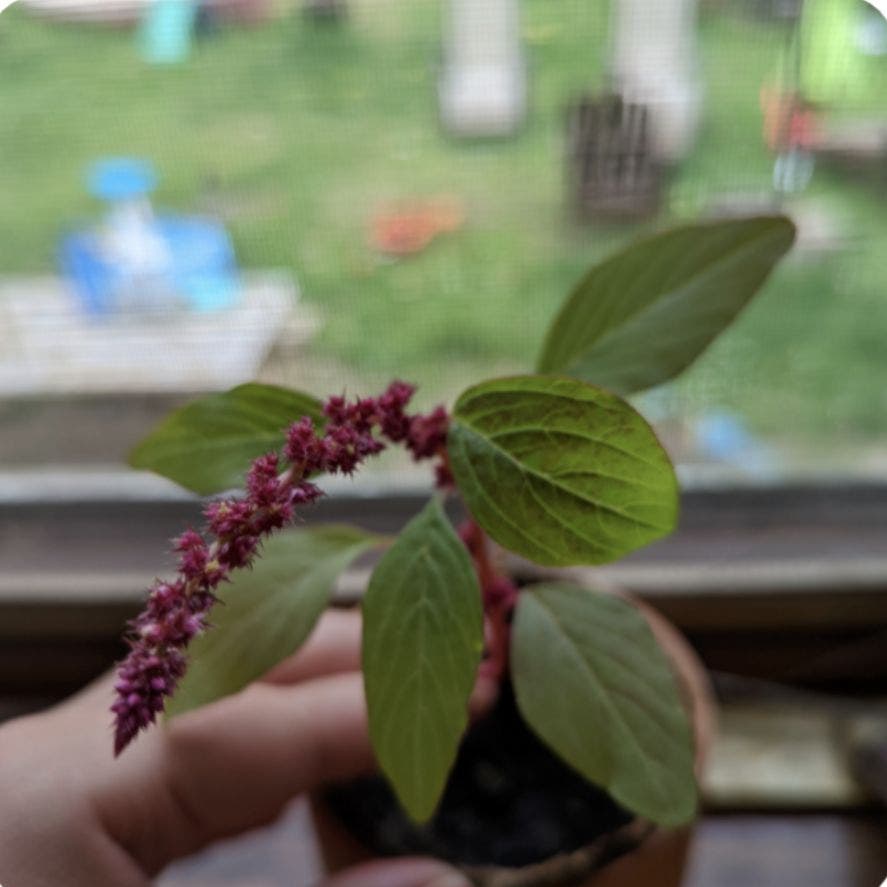
🌱 5 Key Phases of Purple Amaranth Development
Amaranthus cruentus
By the Greg Editorial Team
Sep 29, 2024•5 min read
This article was created with the help of AI so we can cover more plants for you. May contain errors. See one? Report it here.
Cultivate vibrant purple amaranth 🌱 effortlessly by mastering its growth stages and care tips for a bountiful harvest!
- 🌱 Germination takes 7-14 days in temperatures of 70°F to 85°F (21°C to 29°C).
- 🌞 Indirect light and well-draining soil are crucial for healthy purple amaranth growth.
- 🌼 Total growth from seed to harvest is typically 70-90 days under optimal conditions.
Germination Phase
Duration of Germination 🌱
Germination is the first crucial step in growing purple amaranth. Typically, this phase takes about 7 to 14 days, with the optimal temperature range sitting comfortably between 70°F to 85°F (21°C to 29°C).
Conditions for Successful Germination 🌧️
To ensure successful germination, start with well-draining, loamy soil. Consistent moisture is key, but avoid waterlogging, as it can hinder growth.
Light Exposure 💡
Indirect light is essential during this phase. Too much direct sunlight can dry out the seeds, so keep them in a bright but sheltered spot.
By understanding these foundational aspects of the germination phase, you're setting the stage for healthy growth. Next, we’ll explore the seedling stage, where your purple amaranth begins to take shape.
Seedling Stage
Duration of Seedling Growth 🌱
The seedling stage of purple amaranth lasts about 2 to 4 weeks. During this time, you can expect the first true leaves to appear in approximately 10 to 14 days.
Key Characteristics of Seedlings 🌿
At this stage, the initial leaves, known as cotyledons, are oval and vibrant green. The seedlings grow upright, focusing on establishing a strong root system.
By the end of the seedling stage, plants typically reach a height of 2 to 6 inches. This growth sets the foundation for the robust development that follows.
As you nurture your seedlings, keep an eye on their progress. Healthy seedlings are a promising sign of a thriving purple amaranth crop, paving the way for the vegetative growth phase ahead.
Vegetative Growth
Duration of Vegetative Phase 🌱
The vegetative growth phase of purple amaranth lasts about 4 to 6 weeks. This means that from germination to the end of this stage, you're looking at a total time frame of approximately 6 to 10 weeks.
Changes in Leaf Structure and Size 🍃
During this phase, you'll notice significant changes in the plant's leaves. They grow larger and develop more lobes, showcasing the plant's vigorous growth.
As the leaves expand, the vibrant purple pigmentation intensifies, making the plant visually striking. By the end of this phase, purple amaranth can reach impressive heights of up to 3 feet.
This growth period is crucial for establishing a strong foundation for the plant. Healthy leaves and height are indicators of a thriving amaranth, setting the stage for the flowering stage ahead.
With the vegetative phase complete, the plant is ready to transition into its next exciting stage: flowering.
Flowering Stage
Duration of Flowering 🌼
The flowering stage of purple amaranth lasts about 3 to 4 weeks. This vibrant phase typically kicks off 8 to 10 weeks after germination, marking a significant milestone in the plant's life cycle.
Description of Flower Characteristics 🌸
During flowering, you'll notice dense, feathery clusters known as inflorescences. These flowers can vary in color, ranging from soft greens to rich, deep purples, creating a stunning visual display.
Pollination plays a crucial role here. Purple amaranth is primarily wind-pollinated, but it also attracts beneficial insects, enhancing the overall health of your garden.
As you observe this stage, take a moment to appreciate the intricate beauty and ecological importance of these flowers. They not only contribute to the plant's reproductive success but also support local wildlife.
With the flowering stage setting the stage for seed production, let’s dive into how those seeds develop and disperse.
Seed Production
Duration of Seed Production 🌱
Seed production for purple amaranth lasts about 4-6 weeks. This phase kicks off after flowering, typically occurring 12-16 weeks post-germination.
Overview of Seed Development and Dispersal 🌼
During seed formation, small, dark seeds develop within the flower heads. These seeds are not just pretty; they have a life of their own.
Dispersal Methods
Seeds disperse through wind and self-seeding, ensuring the next generation can thrive. This natural process is efficient, allowing amaranth to spread and flourish in various environments.
Lifespan of Seeds
Under proper storage conditions, these seeds can remain viable for several years. This longevity is a testament to their resilience and adaptability.
As we explore the growth rate and maturation of purple amaranth, understanding seed production highlights the plant's remarkable lifecycle. This knowledge sets the stage for appreciating how these seeds contribute to the plant's overall success.
Growth Rate and Maturation
How Long Until Fully Grown? 🌱
Purple amaranth typically takes about 70-90 days from seed to harvest. This timeframe allows the plant to progress through its various growth stages, ensuring a robust yield.
Factors Affecting Growth Rate 🌍
Several key factors influence how quickly purple amaranth matures:
Soil Quality: Nutrient-rich, well-draining soil is essential for promoting faster growth. Poor soil can stunt development.
Water Availability: Consistent moisture is crucial. Too little water can slow growth, while overwatering may lead to root issues.
Light Exposure: Full sun is ideal, requiring 6-8 hours of direct sunlight daily. Insufficient light can hinder growth rates significantly.
Comparison of Growth Rates in Different Conditions 📊
The growth rate of purple amaranth varies based on environmental conditions:
Optimal Conditions: Under ideal circumstances, expect 70-90 days to maturity. This includes rich soil, adequate moisture, and plenty of sunlight.
Suboptimal Conditions: In less favorable conditions, such as poor soil or low light, the maturation period can extend to over 100 days. This delay can impact overall yield and plant health.
Understanding these growth dynamics can help you cultivate purple amaranth more effectively, ensuring a successful harvest. As you prepare for planting, consider how these factors will play a role in your gardening journey.
⚠️ Safety First
This content is for general information and may contain errors, omissions, or outdated details. It is not medical, veterinary advice, or an endorsement of therapeutic claims.
Always consult a qualified healthcare professional before using any plant as food, medicine, or supplement.
Never eat any plant (or feed one to pets) without confirming its identity with at least two trusted sources.
If you suspect poisoning, call Poison Control (800) 222-1222, the Pet Poison Helpline (800) 213-6680, or your local emergency service immediately.
Spotted an error? Please report it here.
Master the 5 phases of purple amaranth growth with Greg's tailored care tips and reminders, ensuring your plants thrive beautifully! 🌿