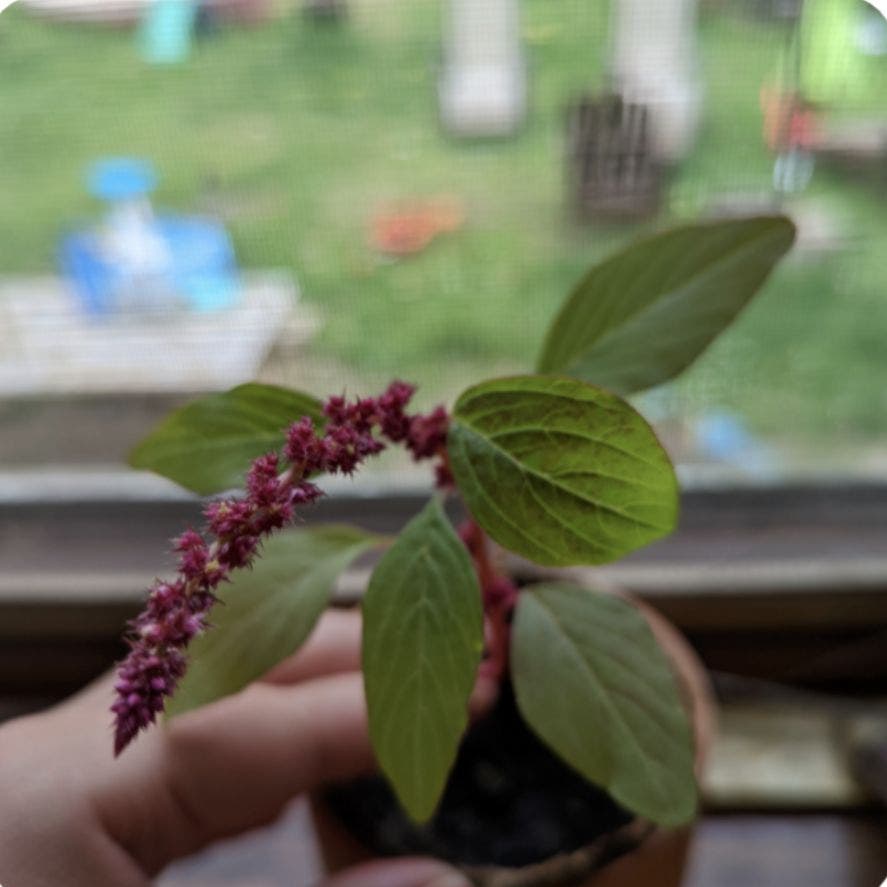
🌸 Top 8 Pot Options to Make Your Purple Amaranth Thrive
Amaranthus cruentus
By the Greg Editorial Team
Sep 29, 2024•5 min read
This article was created with the help of AI so we can cover more plants for you. May contain errors. See one? Report it here.
Ensure your purple amaranth thrives 🌱 by mastering pot size and material for every growth stage—your garden will thank you!
- 🌱 Choose pot sizes wisely: 4-6 inches for seedlings, 12-16 inches for mature plants.
- 🏺 Drainage holes are essential to prevent root rot; always select pots with them.
- ⚖️ Consider weight and aesthetics: Clay pots look great but can be heavy and dry out quickly.
Pot Size for Different Growth Stages
🌱 Seedling Stage
For seedlings, a pot size of 4-6 inches in diameter is ideal. This size provides the necessary space for initial root development, allowing your purple amaranth to establish itself without feeling cramped.
🌿 Young Plant Stage
As your plant grows, transition to an 8-10 inch pot. This size accommodates the increased growth rate and expanding root system, ensuring your young plant has room to thrive.
🌳 Mature Plant Stage
Once your purple amaranth reaches maturity, opt for a pot that is 12-16 inches in diameter. This larger size offers stability and support for the plant's height, which can reach between 3-5 feet, and is crucial for its continued growth.
Choosing the right pot size at each stage is essential for the health and vitality of your purple amaranth. With proper potting, your plant will flourish beautifully as it matures.
Pot Materials
🌱 Clay Pots
Clay pots are a popular choice for many gardeners, and for good reason. Their breathability allows for better air circulation, which is crucial for healthy root development.
Additionally, clay pots have a natural aesthetic that beautifully complements the vibrant foliage of purple amaranth. However, they come with some downsides.
Their weight can make them cumbersome to move, especially when filled with soil. Plus, in hot conditions, clay pots may dry out faster, requiring more frequent watering.
🪴 Plastic Pots
Plastic pots offer a lightweight alternative that many find appealing. They are easy to move and rearrange, making them a practical choice for those who like to change their garden layout frequently.
Cost-effectiveness is another advantage, as plastic pots are generally less expensive than their clay counterparts. On the flip side, they are less breathable, which can lead to root rot if overwatered.
Moreover, plastic pots often lack the aesthetic appeal of clay, potentially clashing with your garden's overall look.
🍶 Other Materials
When considering pot materials, ceramic pots are another option. They are visually attractive but can be heavy and pricey, which might not suit every gardener's budget.
Biodegradable pots are also gaining popularity for their eco-friendly nature. However, they may not provide the long-term support that more durable materials offer.
Choosing the right pot material is essential for the health and growth of your purple amaranth. Each option has its pros and cons, so consider your specific needs and preferences carefully.
With the right pot, your plants will thrive, setting the stage for a flourishing garden.
Drainage Considerations
Importance of Drainage Holes 🌧️
Drainage holes are essential for preventing waterlogging in your pots. Without them, excess water can accumulate, leading to root rot and stunted growth.
Poor drainage can severely impact root health, causing plants to struggle. Healthy roots need oxygen, and waterlogged conditions suffocate them, ultimately hindering your purple amaranth's growth.
Ensuring Proper Drainage 🚰
When selecting pots, always choose those with multiple drainage holes. This ensures that excess water can escape, promoting a healthier environment for your plants.
Adding a layer of gravel or perlite at the bottom of the pot can further enhance drainage. This simple step helps prevent soil compaction and allows water to flow freely.
Regularly checking for blockages in drainage holes is crucial. Even the tiniest obstruction can lead to significant issues, so make it a habit to inspect your pots frequently.
With proper drainage, your purple amaranth will thrive, setting the stage for vibrant growth and lush foliage. Next, let’s explore the best practices for repotting your plants to keep them flourishing.
Repotting Guidelines
Signs That Repotting is Needed 🌱
Recognizing when to repot your purple amaranth is crucial for its health. Look for root growth visible through drainage holes, which indicates that the plant has outgrown its current pot.
Additionally, stunted growth or yellowing leaves can signal that your plant is struggling. If the soil dries out too quickly, it’s another clear sign that it’s time for a larger home.
Best Practices for Repotting 🛠️
When you're ready to repot, follow these steps for a smooth transition:
- Choose a pot one size larger than the current pot.
- Gently remove the plant from its current pot.
- Loosen any tightly bound roots to encourage growth.
- Place the plant in the new pot with fresh potting mix.
- Water thoroughly after repotting to help settle the soil.
These steps will ensure your plant adapts well to its new environment.
Choosing the Right Pot When Repotting 🪴
Selecting the right pot is essential for your plant's continued growth. Always consider the growth stage and size of the plant to ensure it has enough space.
Moreover, make sure the new pot has adequate drainage holes. This will help prevent waterlogging and promote a healthy root system, allowing your purple amaranth to thrive.
As you prepare to repot, keep these guidelines in mind to foster a flourishing plant. Next, let’s explore common mistakes in pot selection to avoid pitfalls in your gardening journey.
Common Mistakes in Pot Selection
Overly Small Pots 🌱
Using pots that are too small can severely restrict root growth. When roots are cramped, plants often exhibit signs of stress, such as wilting or yellowing leaves.
Choosing Pots Without Drainage Holes 🚫
Selecting pots without drainage holes can lead to serious issues. Poor drainage can cause water to accumulate, leading to root rot and ultimately harming your plant's health.
Importance of Proper Pot Selection 🥇
Choosing the right pot is crucial for your plant's success. Always opt for pots that allow for healthy root systems and provide adequate space for growth.
By avoiding these common mistakes, you can ensure your purple amaranth thrives in its environment. Next, let's explore the essential drainage considerations to keep your plants healthy and happy.
⚠️ Safety First
This content is for general information and may contain errors, omissions, or outdated details. It is not medical, veterinary advice, or an endorsement of therapeutic claims.
Always consult a qualified healthcare professional before using any plant as food, medicine, or supplement.
Never eat any plant (or feed one to pets) without confirming its identity with at least two trusted sources.
If you suspect poisoning, call Poison Control (800) 222-1222, the Pet Poison Helpline (800) 213-6680, or your local emergency service immediately.
Spotted an error? Please report it here.
Select the perfect pot 🪴 for your purple amaranth with Greg's tailored tips and reminders, ensuring your plant thrives in its ideal environment!