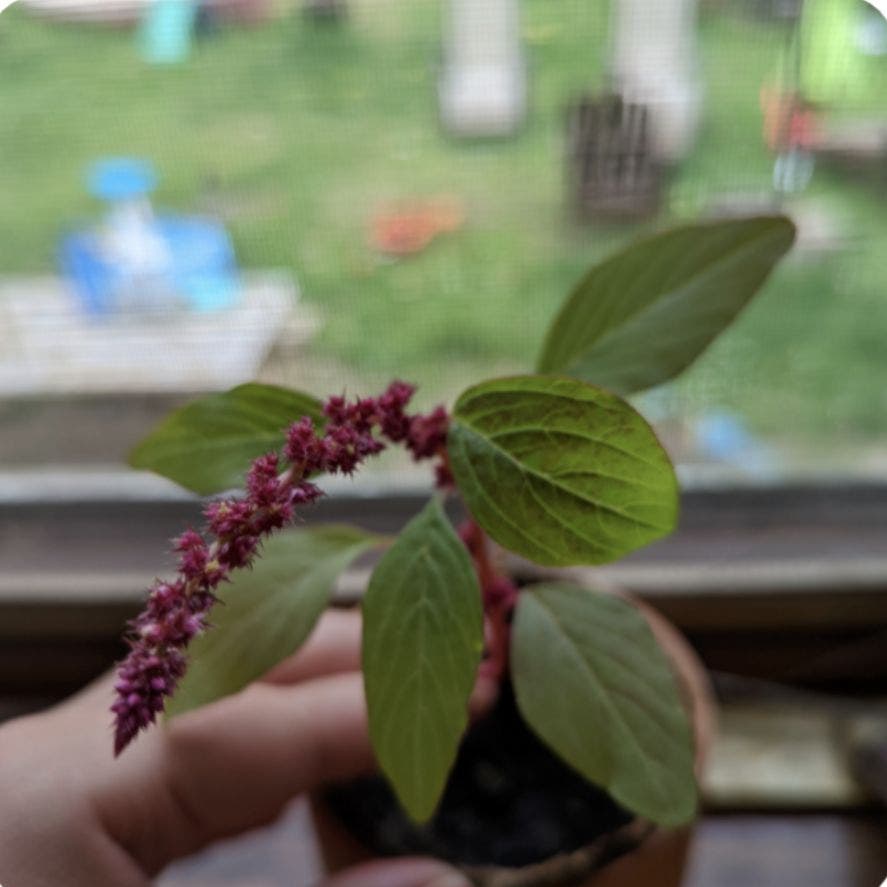
Why Are My Mexican Grain Amaranth Leaves Droopy?
Amaranthus cruentus
By the Greg Editorial Team
Jun 18, 2024•5 min read
This article was created with the help of AI so we can cover more plants for you. May contain errors. See one? Report it here.
Perk up your amaranth's sad leaves 🍂 with these fail-proof plant care secrets!
- Droopy leaves signal distress; don't ignore and prune unhealthy foliage.
- Balance water and nutrients; check soil moisture and fertilize evenly.
- Prevent pests and diseases with regular checks and eco-friendly treatments.
Spotting the Signs: When Your Amaranth Looks Sad
🚩 Visual Symptoms
Droopy leaves on your Mexican Grain Amaranth are like red flags in a sea of green; they're warning signs that shouldn't be ignored. Beyond the sag, look for discoloration, spots, or any unusual patterns. These are the secret codes your plant uses to communicate distress.
🚨 Immediate Response
When you spot the droop, it's all hands on deck. Snip off any sad-looking leaves to rally the plant's energy to the healthier foliage. Before you water, check the soil. If it's dry an inch down, give it a drink with room-temperature water. But remember, overwatering is the fast track to unhappy roots, so let the soil dry out a bit between waterings.

The Thirst Quench: Water Woes and Fixes
🚰 Too Much or Too Little
Finding the right watering rhythm for your Mexican Grain Amaranth can be like tuning a guitar – it needs to be just right. Overwatering can lead to root rot, while underwatering can leave your plant dehydrated and droopy. To strike a balance, water when the top inch of soil feels dry to the touch. Remember, consistency is key.
🚰 Drainage Drama
Proper drainage is crucial to avoid waterlogging or dehydration. Ensure your pot has adequate drainage holes and use a well-draining soil mix. If your amaranth's pot feels heavier than your grocery bags, it might be time to check if water is draining properly. Conversely, if the soil is pulling away from the pot's edges, it's a sign to water more deeply.

Feeding Finesse: Nutrient Know-How
🕵️ Spotting Deficiencies
Yellowing leaves on your Mexican Grain Amaranth might be whispering for nutrients. Pale-green or whitish leaves with necrotic spots are red flags, especially if they're on the upper foliage. Consistent patterns in leaf discoloration can help you play detective—nature's SOS that it's time to intervene.
Tailored Treatments
A balanced fertilizer with equal parts nitrogen, phosphorus, and potassium (NPK 10-10-10) is like a well-rounded meal for your amaranth. If leaves keep yellowing, magnesium might be the missing piece of the puzzle. For a quick fix, foliar feeding can deliver nutrients straight to the leaves, bypassing any soil drama. Remember, pH levels are the gatekeepers of nutrient uptake—too high or too low, and you're basically garnishing your plant's meal with cardboard.

Bug Busters and Disease Defenders
🐛 Common Culprits
In the quest to understand why your Mexican Grain Amaranth leaves are drooping, pests and diseases are prime suspects. These uninvited guests can wreak havoc, leaving your plants looking like they've been through a rough night. Aphids, spider mites, and whiteflies are the usual suspects, treating your amaranth like a free buffet. On the disease front, fungal infections such as powdery mildew and bacterial leaf spot can stealthily damage your plant's vitality.
🛡️ Combat Strategies
Immediate Action
When you spot the first sign of infestation or disease, it's time to spring into action. Isolate the affected plant to prevent a full-blown epidemic. For pests, a blast of water or a swipe with a soapy solution can be surprisingly effective. For diseases, remove infected leaves immediately and improve air circulation around your plant.
Long-Term Defense
Prevention is your best defense. Keep your plant area tidy, removing any fallen leaves or debris that could harbor pests. Regular inspections are non-negotiable; catch those critters early, and you can avoid a lot of trouble. If you need to bring out the big guns, opt for insecticidal soap or neem oil—but use them judiciously, targeting only the affected areas.
Natural Allies
Don't overlook the power of nature's own pest control. Introducing beneficial insects like ladybugs can help keep the aphid population in check. It's like having your own personal security team for your plants.
Fungal Foes
For those insidious fungal diseases, consider using fungicides. However, always check for eco-friendly options to avoid harming your plant or the environment. Remember, healthy plants are less susceptible to disease, so give your amaranth the care it deserves to keep it robust and resilient.
Future-Proofing Your Amaranth
🌱 Smart Cultivation
To keep your Mexican Grain Amaranth thriving, cultivation tweaks are non-negotiable. Start with the basics: full sun and proper spacing to prevent overcrowding. This ensures each plant gets its fair share of sunlight and air circulation, reducing the risk of fungal diseases.
Soil and Watering
Amaranth loves well-drained soil; consider adding perlite or sand to improve drainage. Watering should be consistent but not excessive—let the soil dry out slightly between waterings. Remember, soggy soil is a one-way ticket to root rot.
Companion Planting
Companion planting can be a game-changer. Planting amaranth with corn, for example, shades the soil and helps retain moisture. Plus, it can attract beneficial insects like predatory ground beetles.
👀 Vigilant Vigilance
Routine checks are your amaranth's armor against future droopiness. Inspect your plants regularly for signs of stress or pests. If you spot something off, act swiftly—trimming, adjusting watering, or addressing nutrient needs.
Monitoring Growth
Keep tabs on growth patterns. If your amaranth is stretching too tall and thin, it might be craving more light. Conversely, if it's bushy but not flowering, it might be getting too much nitrogen.
Seasonal Adjustments
Be prepared to make seasonal adjustments. Light levels and temperatures change, and so will your amaranth's needs. Use light meters or simply observe your plant's response to find the perfect spot in your garden or home.
By implementing these smart cultivation practices and maintaining vigilant vigilance, your Mexican Grain Amaranth will stand tall and proud, ready to face whatever comes its way.
⚠️ Safety First
This content is for general information and may contain errors, omissions, or outdated details. It is not medical, veterinary advice, or an endorsement of therapeutic claims.
Always consult a qualified healthcare professional before using any plant as food, medicine, or supplement.
Never eat any plant (or feed one to pets) without confirming its identity with at least two trusted sources.
If you suspect poisoning, call Poison Control (800) 222-1222, the Pet Poison Helpline (800) 213-6680, or your local emergency service immediately.
Spotted an error? Please report it here.
Ensure your Mexican Grain Amaranth stands tall and pest-free 🛡️ with Greg's custom care reminders and a community of growers to support you every step of the way.