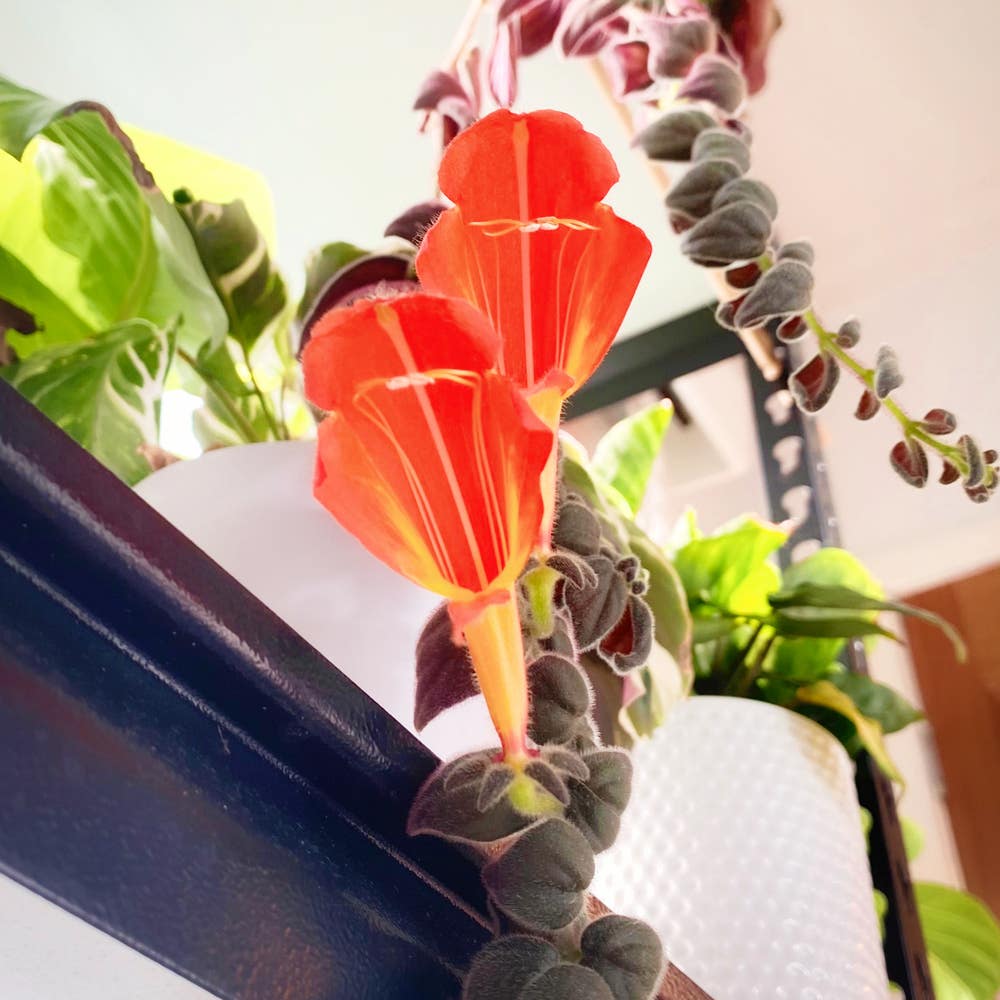
🐟 Ultimate Guide to Growing Goldfish Plant
Columnea gloriosa
By the Greg Editorial Team
Sep 29, 2024•5 min read
This article was created with the help of AI so we can cover more plants for you. May contain errors. See one? Report it here.
Unlock the secret to a thriving Goldfish Plant with these essential care tips! 🌱
- 🌞 Bright, indirect light is essential for thriving Goldfish Plants indoors and outdoors.
- 🌱 Well-draining soil and proper pH (6.0-7.0) ensure optimal growth and nutrient absorption.
- 💧 Water from the bottom to promote deep roots and prevent fungal issues.
Cultivation Techniques
🌍 Choosing the Right Location
Selecting the right location for your Goldfish Plant is crucial for its health.
Indoor vs. Outdoor Considerations
For indoor growth, aim for bright, indirect light. Direct sunlight can scorch the leaves, so keep them protected.
Outdoors, partial shade is ideal. Be sure to shield your plant from harsh afternoon sun to prevent stress.
🪴 Soil Preparation and Requirements
The right soil sets the foundation for a thriving Goldfish Plant.
Soil Type
Use a well-draining potting mix enriched with organic matter. This ensures your plant gets the nutrients it needs without becoming waterlogged.
Soil pH
Aim for a slightly acidic to neutral pH, ideally between 6.0 and 7.0. This range promotes optimal nutrient absorption.
Amendments
Incorporate peat moss or coconut coir into your mix. These amendments help retain moisture, keeping your plant hydrated without oversaturation.
🌱 Planting Methods and Spacing
Proper planting techniques will give your Goldfish Plant the best start.
Container Gardening
Choose a container that is at least 6-8 inches in diameter. This size allows for adequate root growth.
For outdoor planting, space your plants 12-18 inches apart. This spacing promotes airflow and reduces competition for nutrients.
Planting Depth
When planting, ensure the crown of the plant is level with the soil surface. This positioning helps prevent rot and encourages healthy growth.
With these cultivation techniques in place, your Goldfish Plant will be well on its way to thriving. Next, let’s dive into the essential aspects of watering and fertilizing to keep your plant flourishing.
Watering and Fertilizing
Watering Frequency and Techniques 🌊
To keep your Goldfish Plant thriving, maintain a consistent watering schedule. The soil should be moist but never soggy; this balance is crucial for healthy growth.
Watering from the bottom is an effective technique. It encourages deeper root growth while preventing water from splashing on the leaves, which can lead to fungal issues.
Best Fertilizers 🌱
During the growing season, typically spring and summer, fertilize your plant monthly. A balanced liquid fertilizer, like a 20-20-20 mix, diluted to half strength, works wonders.
This approach ensures your Goldfish Plant receives the nutrients it needs without overwhelming it. Remember, moderation is key!
Signs of Overwatering or Underwatering 🚰
Recognizing the signs of overwatering is essential for your plant's health. Yellowing leaves and root rot are clear indicators that you might be giving it too much water.
On the flip side, underwatering can lead to wilting and dry leaf edges. Keeping an eye on these symptoms will help you maintain the right balance for your Goldfish Plant.
With proper watering and fertilizing, your Goldfish Plant will flourish, setting the stage for the next step: pruning and maintenance.
Pruning and Maintenance
When and How to Prune 🌱
Pruning your Goldfish Plant is essential for its health and vitality. Aim to prune in late winter to early spring, just before new growth begins, using clean, sharp scissors to remove any dead or damaged stems.
Importance of Deadheading 🌸
Deadheading is a simple yet effective practice that encourages more blooms. To deadhead, simply pinch off spent flowers at the base, preventing unwanted seed formation and promoting a longer flowering period.
Ongoing Care Routine 💧
Maintaining the right humidity levels is crucial for your Goldfish Plant. Regularly mist the leaves or use a humidity tray to keep the environment conducive to growth.
Keep an eye out for pests and diseases, as prevention is key. A clean growing environment not only enhances plant health but also makes your gardening experience more enjoyable.
With these pruning and maintenance tips, your Goldfish Plant will thrive, setting the stage for the next exciting topic: Common Challenges and Solutions.
Common Challenges and Solutions
🐞 Identifying and Managing Pests
Common Pests
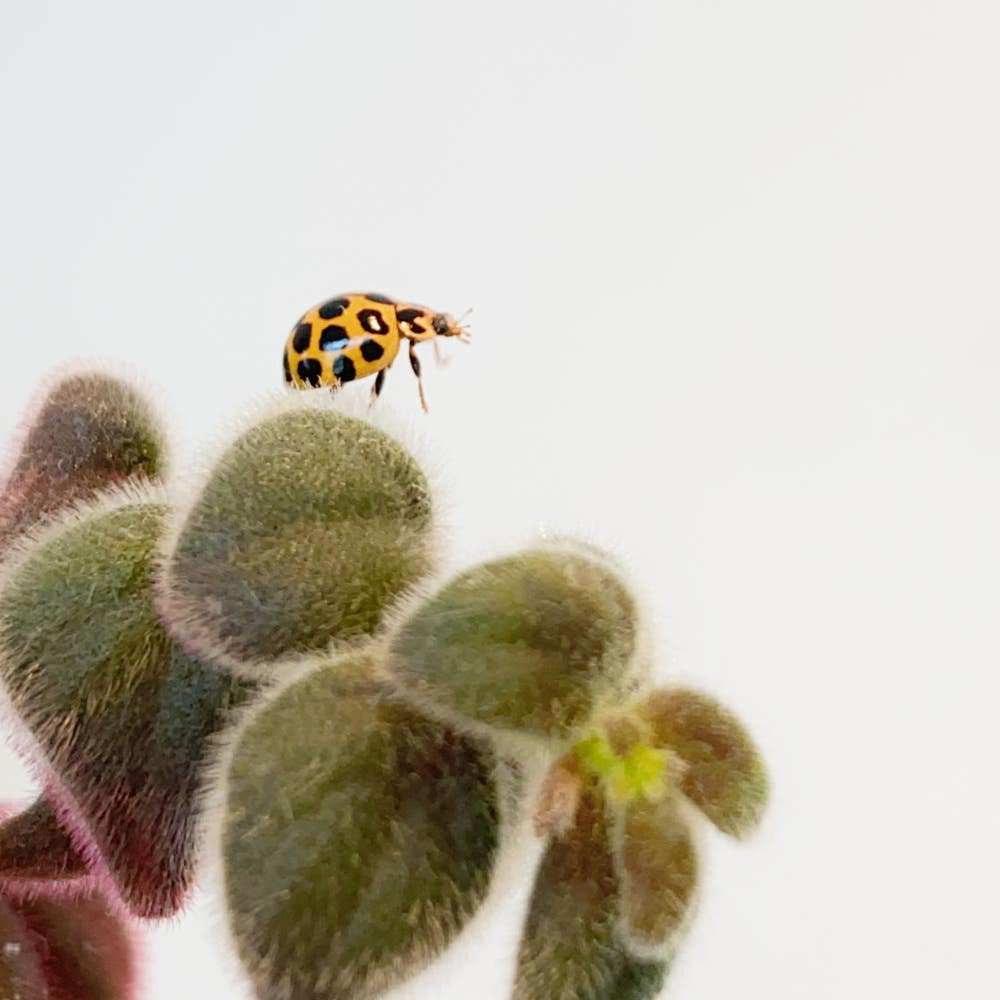
Aphids are a frequent nuisance for goldfish plants. You can spot them by the sticky residue they leave behind and curled leaves.
To control aphids, use insecticidal soap or neem oil. Both options are effective and safe for your plant.
Spider mites are another common pest. Look for fine webbing and stippled leaves as signs of their presence.
Increasing humidity can help deter spider mites, along with using miticides if the infestation is severe.
🦠 Addressing Common Diseases
Root Rot
Root rot is a serious issue that can plague your goldfish plant. Symptoms include wilting and yellowing leaves, even when you’re watering adequately.
To prevent root rot, ensure your soil is well-draining and avoid overwatering. This simple step can save your plant from a lot of stress.
🌱 Troubleshooting Growth Issues
Leggy growth is often a sign of insufficient light. If you notice this, consider moving your plant to a brighter location.
Leaf drop can occur due to sudden temperature changes or drafts. Stabilizing the environment can help keep your plant healthy and thriving.
By being proactive about these challenges, you can enjoy a flourishing goldfish plant. Next, let’s explore effective propagation techniques to expand your collection!
Propagation Techniques
🪴 Methods for Propagating
One of the most effective ways to propagate your Goldfish Plant is through stem cuttings. Choose healthy stems that have at least two nodes, as these will provide the best chance for successful rooting.
For the rooting medium, mix equal parts perlite and peat moss. This combination promotes drainage while retaining the necessary moisture for your cuttings.
🌱 Best Practices for Successful Propagation
To ensure your cuttings thrive, maintain high humidity around them. You can achieve this by covering the cuttings with a plastic bag or using a humidity dome.
Additionally, place your cuttings in indirect light. This helps create the ideal conditions for rooting without risking leaf scorch.
⏰ Timing and Conditions for Propagation
The best time to propagate Goldfish Plants is during spring or early summer when they are actively growing. This timing increases the likelihood of successful rooting.
Keep a close eye on moisture levels in your medium. It should remain consistently moist but not soggy to prevent rot.
With these techniques in hand, you’re well on your way to expanding your Goldfish Plant collection. Next, let’s explore common challenges and solutions you might encounter along the way.
⚠️ Safety First
This content is for general information and may contain errors, omissions, or outdated details. It is not medical, veterinary advice, or an endorsement of therapeutic claims.
Always consult a qualified healthcare professional before using any plant as food, medicine, or supplement.
Never eat any plant (or feed one to pets) without confirming its identity with at least two trusted sources.
If you suspect poisoning, call Poison Control (800) 222-1222, the Pet Poison Helpline (800) 213-6680, or your local emergency service immediately.
Spotted an error? Please report it here.
Transform your Goldfish Plant into a blooming beauty 🌼 with Greg's tailored care tips and reminders that ensure it thrives in the perfect conditions!