🐟 Goldfish Plant: Not an Annual
Columnea gloriosa
By the Greg Editorial Team
Sep 29, 2024•5 min read
This article was created with the help of AI so we can cover more plants for you. May contain errors. See one? Report it here.
Unlock year-round beauty and ecological benefits with the resilient Goldfish Plant! 🌱
- 🌱 Goldfish plants are perennials, thriving for years with proper care and conditions.
- 🌼 They produce unique flowers multiple times a year, attracting pollinators and enhancing gardens.
- 🌍 Understanding climate impacts is crucial for their care and longevity in your garden.
Genetic and Physiological Characteristics
🐠 Long-term Lifecycle of Goldfish Plant
Goldfish plants can thrive for several years when provided with optimal conditions. Their remarkable ability to enter dormancy during unfavorable conditions showcases their resilience to environmental changes.
📈 Growth Patterns Specific to Goldfish Plant
Goldfish plants exhibit a trailing or climbing growth habit, often requiring support to flourish. In suitable climates, they demonstrate continuous growth throughout the year, making them a vibrant addition to any garden.
Seasonal Growth Variations
During the warm months, growth accelerates, while cooler months see a natural slowdown. This seasonal rhythm allows the plant to adapt and conserve energy when conditions are less favorable.
🌼 Reproductive Strategies of Goldfish Plant
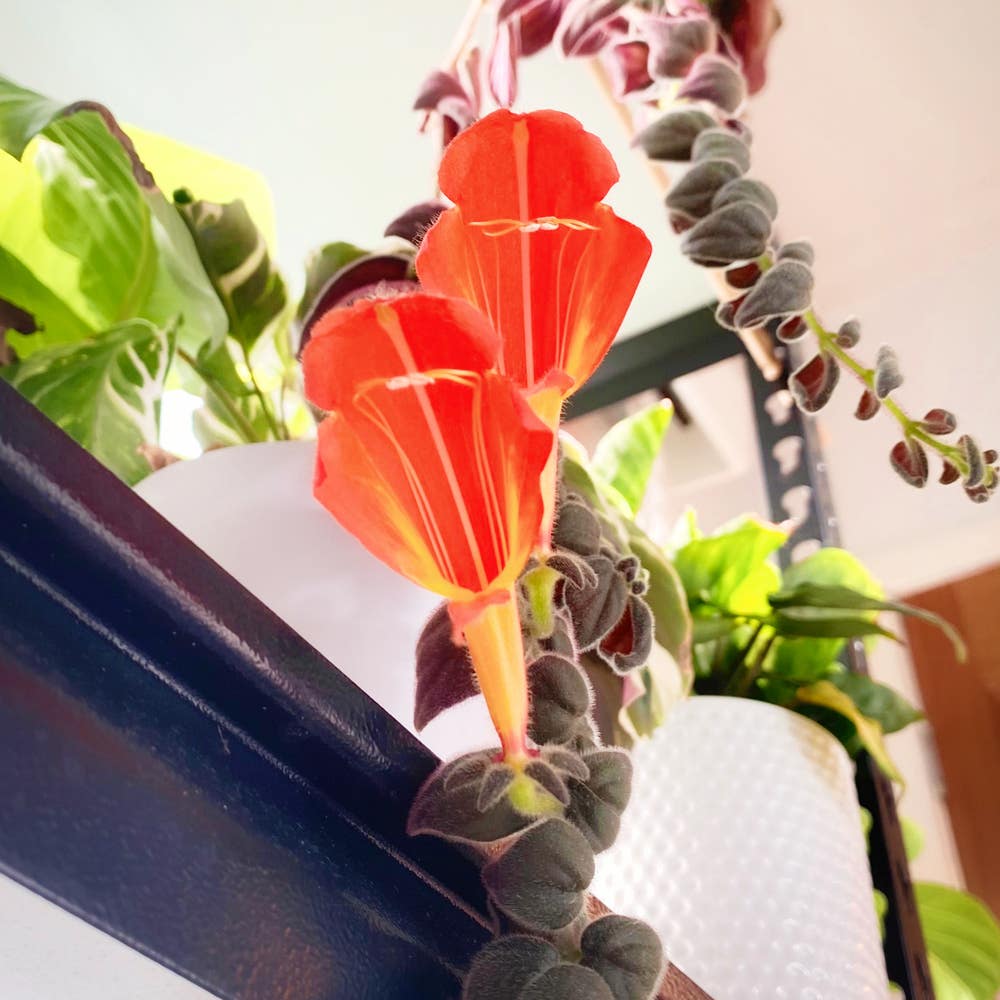
Goldfish plants are known for their unique tubular flowers, which bloom multiple times a year. This flowering pattern not only enhances their beauty but also attracts specific pollinators, increasing their reproductive success.
Seed Production
These plants produce seeds that can remain viable for several years, ensuring their survival across seasons. Unlike annuals, which often produce a large quantity of seeds in a short time, goldfish plants take a more measured approach to seed production, contributing to their long-term lifecycle.
As we delve deeper into the lifecycle implications of the goldfish plant, we’ll explore how its growth and flowering cycles differ from those of annuals.
Lifecycle Implications
🌱 Growth and Flowering Cycles of Goldfish Plant
The Goldfish Plant is a remarkable perennial that can bloom continuously throughout the year, given the right conditions. Unlike annuals, which have a set flowering period, the Goldfish Plant's unique growth cycle allows it to produce flowers multiple times, enriching your garden with vibrant colors.
This continuous blooming not only enhances aesthetic appeal but also supports local pollinators. The plant's ability to adapt its flowering frequency based on environmental factors sets it apart from typical annuals, making it a fascinating choice for gardeners.
🌼 Seed Production in Goldfish Plant vs. Annuals
When it comes to seed production, the Goldfish Plant takes a more leisurely approach. It generates seeds over several seasons, unlike annuals that typically produce a single batch at the end of their lifecycle.
Moreover, the seeds of the Goldfish Plant can remain dormant for extended periods, waiting for the perfect conditions to sprout. This resilience ensures that even in less-than-ideal circumstances, the plant can continue its lifecycle, showcasing its adaptability and long-term viability.
Understanding these lifecycle implications not only highlights the Goldfish Plant's unique characteristics but also informs effective gardening strategies. As we delve deeper into its variations and exceptions, you'll discover how to best care for this extraordinary plant in different climates.
Variations and Exceptions
🌡️ Conditions Where Goldfish Plant May Be Mistaken for an Annual
Goldfish Plants can easily be mistaken for annuals, especially in cooler climates. Their sensitivity to frost often leads them to die back in winter, creating confusion about their true perennial nature.
Understanding local climate impacts is crucial for proper classification. If you live in a region with harsh winters, it’s essential to recognize how these conditions affect the plant's lifecycle.
🌍 Regional Differences Affecting Goldfish Plant's Classification
The Goldfish Plant thrives in warm, humid environments typical of tropical regions. However, it may struggle in temperate areas where temperatures drop significantly.
Adaptation strategies vary based on climate. In cooler regions, providing extra care, such as bringing the plant indoors during winter, can help maintain its perennial status.
Garden Design and Planning
Advantages of Goldfish Plant's Perennial Nature in Garden Design 🐟
Goldfish plants are a fantastic long-term investment for any garden. Once established, they require less frequent replacement than annuals, saving you both time and money.
Their unique flowers add visual interest throughout the year. With vibrant blooms, these plants can brighten up any space, making them a standout feature in your garden.
Strategies for Incorporating Goldfish Plant into Planting Schemes 🌱
Companion Planting
Pairing Goldfish plants with other perennials creates a cohesive garden design. This strategy not only enhances aesthetics but also promotes a healthier ecosystem.
Layering Techniques
Consider using Goldfish plants in vertical gardens or hanging baskets. Their trailing nature allows for stunning displays, maximizing space and adding depth to your garden layout.
Incorporating Goldfish plants into your garden design not only enhances its beauty but also ensures a sustainable and vibrant environment. Next, let’s explore effective management tips to ensure the longevity and health of your Goldfish plants.
Management Tips for Longevity
🌱 Best Practices for Managing Goldfish Plant as a Perennial
To keep your Goldfish Plant thriving, focus on its watering and humidity needs. Consistent moisture is crucial, but be careful not to waterlog the roots.
Humidity plays a significant role, especially in tropical conditions. A humid environment helps the plant flourish, so consider misting or using a humidity tray.
🌼 Tips for Maximizing Longevity and Health in the Garden
A solid fertilization schedule is key to promoting health. Regular feeding during the growing season will boost growth and flowering.
Pruning techniques can also enhance your Goldfish Plant's vitality. Strategic pruning encourages bushier growth and more blooms, making your plant even more visually appealing.
Lastly, keep an eye out for pests and diseases. Regular inspections will help you catch any issues early, ensuring your plant remains healthy and vibrant.
With these management tips, your Goldfish Plant can thrive for years, adding beauty and interest to your garden. Next, let’s explore how to incorporate this unique plant into your garden design effectively.
⚠️ Safety First
This content is for general information and may contain errors, omissions, or outdated details. It is not medical, veterinary advice, or an endorsement of therapeutic claims.
Always consult a qualified healthcare professional before using any plant as food, medicine, or supplement.
Never eat any plant (or feed one to pets) without confirming its identity with at least two trusted sources.
If you suspect poisoning, call Poison Control (800) 222-1222, the Pet Poison Helpline (800) 213-6680, or your local emergency service immediately.
Spotted an error? Please report it here.
Goldfish plants are resilient perennials 🌼 that thrive for years, and with Greg's tailored care tips and watering reminders, you can help them flourish beautifully in your garden!