5 Goldfish Plant Varieties You Didn't Know About 🐟
Columnea gloriosa
By the Greg Editorial Team
Sep 29, 2024•6 min read
This article was created with the help of AI so we can cover more plants for you. May contain errors. See one? Report it here.
Brighten your space with stunning Goldfish Plants 🌟—explore unique varieties that bring color and charm to your home!
- 🌼 Discover vibrant Goldfish plant varieties like 'Goldfish' and 'Variegata' for unique charm.
- 🌈 Rare cultivars like 'Black Goldfish' and 'Blue Goldfish' offer distinct traits for collectors.
- 🌿 Optimal care ensures vibrant blooms; humidity and light are key to thriving plants.
Popular Varieties of Goldfish Plant
Goldfish plants, known for their unique blooms and vibrant colors, come in several captivating cultivars. Each variety boasts distinct characteristics that make them appealing to both novice and seasoned plant enthusiasts.
🎨 Notable Cultivars
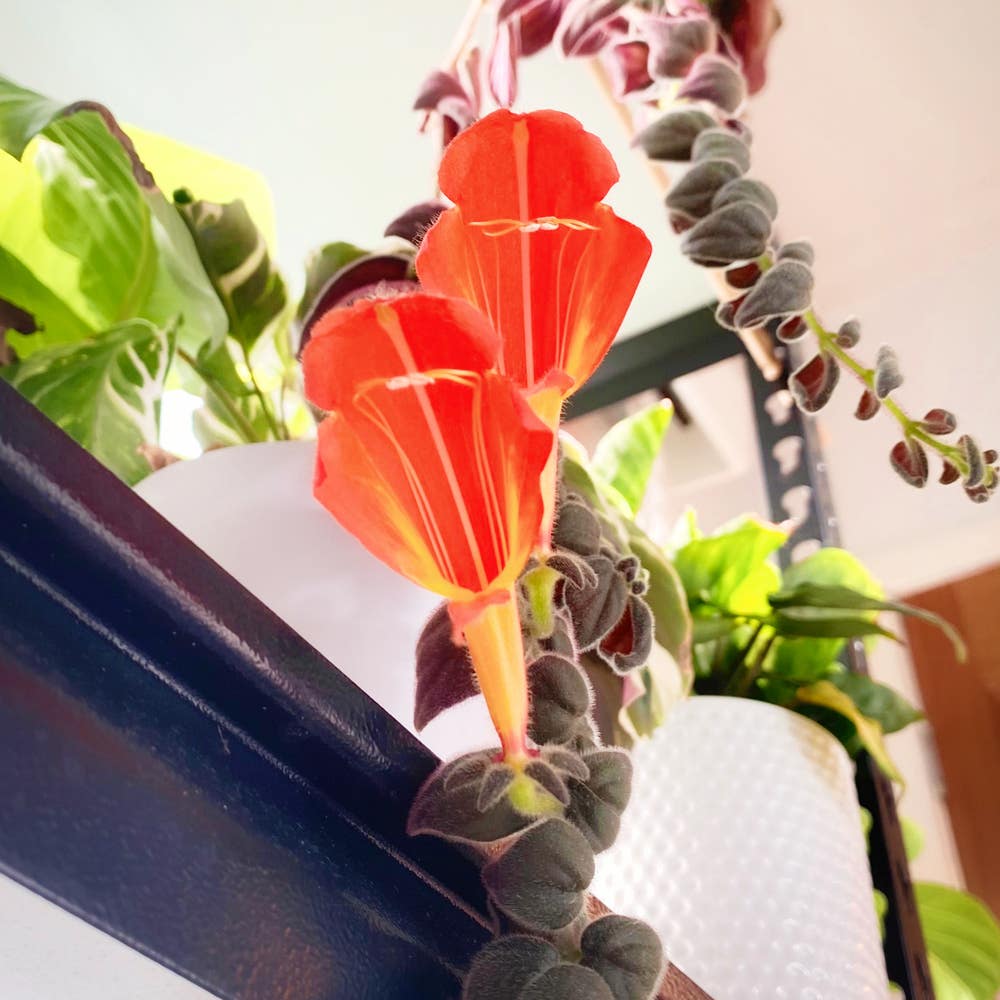
Among the most popular cultivars, the 'Goldfish' stands out with its bright orange flowers and compact growth. This makes it an excellent choice for small spaces or hanging baskets.
🌱 Specific Varieties
'Goldfish' Cultivar
The 'Goldfish' cultivar features striking orange flowers that resemble tiny goldfish. Its compact growth habit allows it to thrive in limited spaces, making it perfect for urban gardening.
'Variegata'
The 'Variegata' cultivar showcases stunning variegated leaves with cream and green patterns. While it shares similar flowering habits with the standard variety, its enhanced visual appeal makes it a favorite among collectors.
'Red Goldfish'
For those seeking a bolder option, the 'Red Goldfish' offers deep red flowers and larger blooms. This variety also tends to grow taller than standard cultivars, adding a dramatic touch to any collection.
'Yellow Goldfish'
The 'Yellow Goldfish' is a less common find, featuring bright yellow flowers that catch the eye. It requires slightly different light and humidity conditions, making it a unique addition for those willing to adapt their care routine.
These popular varieties of Goldfish plants not only add color to your space but also bring unique care requirements and growth habits. Understanding these differences can help you choose the right cultivar for your home or garden.
Next, we’ll explore the unique characteristics of each variety, including their flowering habits and leaf shapes.
Unique Characteristics of Each Variety
🌸 Flowering Habits
Goldfish Plants showcase a fascinating array of flowering habits. Some cultivars bloom more frequently than others, with variations in the duration of their flowers.
Environmental conditions play a crucial role in these differences. Factors like temperature, humidity, and light exposure can significantly impact how often and how long these vibrant blooms last.
🍃 Leaf Shapes and Growth Habits
When it comes to leaves, Goldfish Plants don’t disappoint. You'll find a variety of shapes, including broad, narrow, and even lobed leaves, each adding its unique flair to the plant.
Growth habits also vary widely among cultivars. Some exhibit a trailing growth pattern, perfect for hanging baskets, while others grow upright, making them ideal for tabletop displays.
Color Variations in Goldfish Plant Cultivars
Common Color Variations 🎨
Goldfish Plants are celebrated for their vibrant colors, primarily showcasing shades of orange, red, and yellow. Each color brings its own charm, with orange being the most iconic, resembling the playful fish that inspired the plant's name.
Red varieties, while less common, offer a striking contrast that can brighten any space. Yellow Goldfish Plants, though rarer, add a unique twist to the typical color palette, making them a delightful find for collectors.
Impact of Cultivation Techniques 🌱
The way you propagate Goldfish Plants can significantly influence their color intensity. Techniques like cuttings or division can yield variations in hue, depending on the parent plant's characteristics.
Light exposure also plays a crucial role in flower color. Plants receiving bright, indirect light often display more vibrant blooms, while those in lower light may produce paler flowers. Understanding these factors can help you achieve the stunning colors you desire in your Goldfish Plants.
With this knowledge, you're better equipped to choose the right variety and care techniques to showcase their beautiful colors. Next, we'll explore the size differences among these captivating cultivars.
Size Differences Among Varieties
Growth Size Comparison 🌱
Goldfish Plants vary significantly in size, making it essential to understand the average height and spread of different cultivars. Most standard varieties reach about 12 to 18 inches tall, while some, like the 'Red Goldfish,' can grow taller, often exceeding 24 inches.
Several factors influence these size differences. Pot size plays a crucial role; larger pots allow for more root growth, leading to taller plants. Additionally, light and humidity levels can affect growth rates, with optimal conditions promoting lush, vigorous plants.
Space Considerations for Cultivation 🏡
When choosing a Goldfish Plant, consider the space you have available. For smaller varieties, like the 'Goldfish' cultivar, hanging baskets or compact pots work well, allowing them to trail gracefully.
For taller varieties, ensure you have enough vertical space. Selecting the right variety for your indoor space not only enhances aesthetics but also ensures your plant thrives in its environment.
Special Care Requirements for Specific Cultivars
🌫️ Humidity and Light Needs
Goldfish Plants thrive in specific humidity levels, typically preferring a range of 50% to 70%. This makes them ideal for bathrooms or kitchens, where moisture is naturally higher.
When it comes to light, these plants enjoy bright indirect light. However, some cultivars can tolerate direct sunlight for short periods, which can enhance their flowering.
💧 Watering and Fertilization
Watering needs vary among Goldfish Plant varieties. Generally, it's best to allow the top inch of soil to dry out before watering again, preventing root rot.
Fertilization is crucial for robust growth and vibrant blooms. A balanced liquid fertilizer every 4-6 weeks during the growing season will keep your plants healthy and flourishing.
By understanding these care requirements, you can ensure your Goldfish Plants thrive beautifully in your home. Next, let’s explore the unique characteristics of each variety to help you choose the best fit for your space.
Rare and Hybrid Varieties
🌟 Introduction to Rare Goldfish Plant Varieties
Rare Goldfish Plant varieties are those that are not commonly found in typical nurseries. These unique cultivars often possess distinct traits, such as unusual flower colors or unique leaf patterns.
Examples include the 'Black Goldfish,' which features dark, almost black foliage, and the 'Blue Goldfish,' known for its striking blue flowers. These rare varieties can be a delightful addition to any collection, offering something special for enthusiasts.
🌈 Notable Hybrid Varieties and Their Features
Hybrid Goldfish Plants combine the best traits of their parent plants, resulting in unique characteristics. These hybrids often exhibit enhanced flowering, improved disease resistance, and varied growth habits.
For instance, the 'Rainbow Goldfish' hybrid showcases a stunning array of colors, making it a standout choice. Compared to traditional cultivars, hybrids can offer more vibrant blooms and greater adaptability to different growing conditions.
⚖️ Comparison of Rare vs. Common Varieties
When it comes to availability, rare varieties are often harder to find than their common counterparts. This scarcity can lead to higher prices and greater cultivation challenges, as they may require specific care.
Market demand for rare Goldfish Plants is on the rise, especially among collectors. This interest fuels a vibrant community that shares tips and experiences, making the pursuit of these unique plants all the more rewarding.
As you explore the world of Goldfish Plants, consider how these rare and hybrid varieties can enhance your collection and gardening experience. Next, we’ll delve into the special care requirements for specific cultivars to ensure they thrive in your home.
⚠️ Safety First
This content is for general information and may contain errors, omissions, or outdated details. It is not medical, veterinary advice, or an endorsement of therapeutic claims.
Always consult a qualified healthcare professional before using any plant as food, medicine, or supplement.
Never eat any plant (or feed one to pets) without confirming its identity with at least two trusted sources.
If you suspect poisoning, call Poison Control (800) 222-1222, the Pet Poison Helpline (800) 213-6680, or your local emergency service immediately.
Spotted an error? Please report it here.
Elevate your indoor garden with stunning Goldfish plants 🌟—let Greg guide you with tailored care tips and reminders to keep them thriving beautifully!