🐟 Goldfish Plant Is a Garden Plant, Not a Weed
Columnea gloriosa
By the Greg Editorial Team
Sep 29, 2024•6 min read
This article was created with the help of AI so we can cover more plants for you. May contain errors. See one? Report it here.
Transform your garden with the Goldfish Plant's beauty 🌼 while supporting local ecosystems without the invasive hassle!
- 🌼 Goldfish Plants are non-invasive, making them safe and beneficial for gardens.
- 🌱 Easy to care for, they thrive in well-draining soil with moderate watering.
- 🐦 Their vibrant flowers attract pollinators, enhancing local biodiversity and garden aesthetics.
Goldfish Plant Classification
🌱 Definition of Invasive Plants
Invasive plants are species that exhibit certain characteristics making them problematic in new environments. They typically grow and spread rapidly, displacing native flora and negatively impacting local ecosystems.
These plants can outcompete native species for resources, leading to a decline in biodiversity. Their aggressive growth patterns often disrupt the delicate balance of local habitats, making them a concern for gardeners and ecologists alike.
🐠 Why Goldfish Plant is Not Invasive
The Goldfish Plant, however, does not fit this invasive mold. Its growth behavior is characterized by limited spread potential, primarily due to its specific environmental preferences.
This plant exhibits non-aggressive growth patterns, allowing it to coexist harmoniously with other garden plants. It thrives in conditions that don’t favor rampant expansion, ensuring it doesn’t outcompete native species or disrupt local ecosystems.
In essence, the Goldfish Plant contributes positively to its surroundings, enhancing garden aesthetics without posing a threat to local biodiversity. Its presence can enrich the garden while maintaining ecological balance, making it a delightful addition for any gardener.
As we delve deeper into its growth habits, we’ll explore how this charming plant can flourish in your garden without overwhelming it.
Growth Habits
🌱 Typical Growth Patterns in Gardens
Goldfish plants are known for their charming growth habits. They typically grow as trailing or climbing plants, reaching lengths of 1 to 3 feet.
Their lush foliage and vibrant flowers not only enhance garden aesthetics but also create a lively atmosphere. This makes them a delightful addition to any garden space.
🌍 Natural Limits to Growth and Spread Potential
Goldfish plants have specific environmental requirements that limit their spread. They thrive in well-draining soil and prefer moderate watering.
Warm, humid conditions are ideal for their growth, which restricts their spread in cooler climates. This makes them manageable and easy to care for in various garden settings.
Propagation is straightforward, as they can be easily grown from cuttings. However, their growth remains controllable, ensuring they don't overwhelm your garden.
Incorporating goldfish plants into your garden can be a rewarding experience, providing both beauty and ease of maintenance. As we explore their ecological role next, you'll see how they contribute positively to local wildlife and garden dynamics.
Ecological Role
Benefits to Local Wildlife 🐦
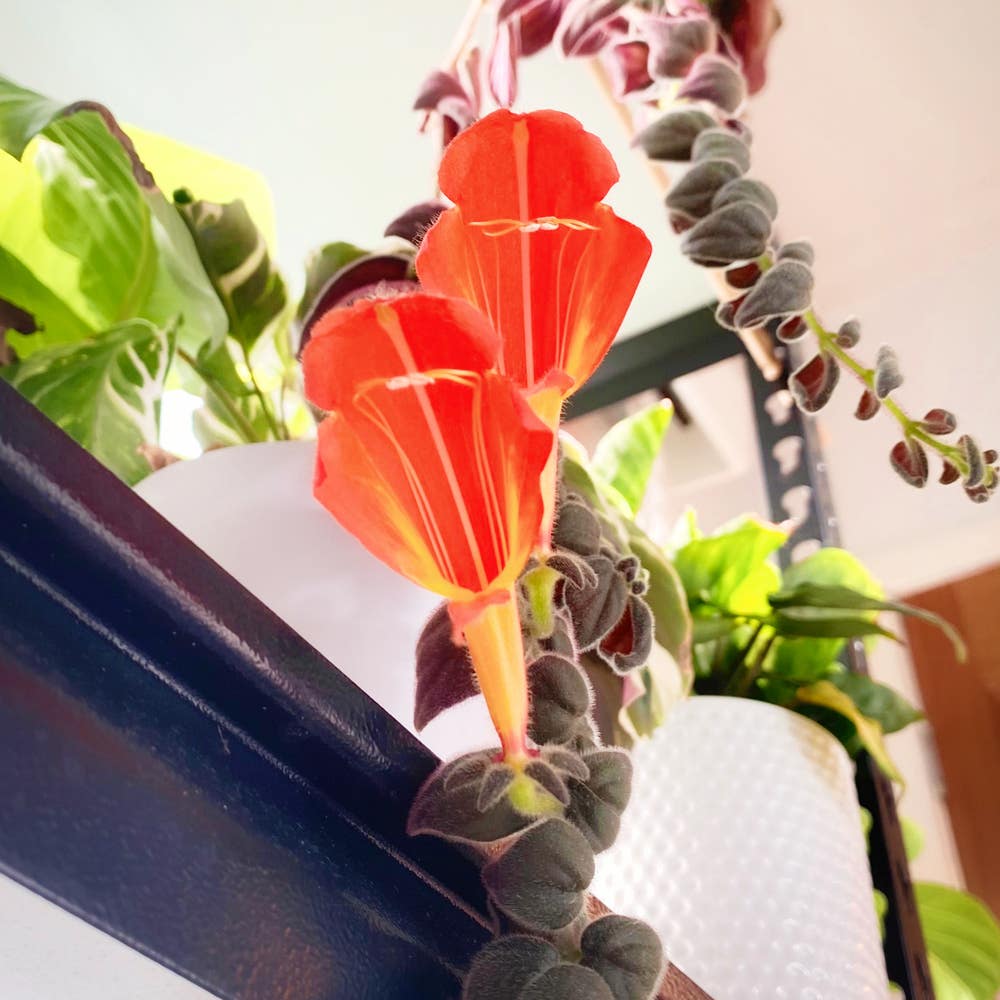
Goldfish plants are more than just a pretty face in your garden; they play a vital role in attracting pollinators. Their vibrant flowers are specifically designed to lure in hummingbirds and other beneficial insects, creating a lively ecosystem right in your backyard.
By providing these food sources, goldfish plants support local biodiversity. This not only helps sustain the pollinator population but also enriches the overall health of your garden.
Positive Interactions with Other Plants 🌱
When it comes to companion planting, goldfish plants shine. They can coexist harmoniously with a variety of garden plants without overwhelming them, making them a versatile choice for any garden layout.
Their lush foliage and striking flowers enhance the visual appeal of mixed plantings. This creates a vibrant tapestry of colors and textures, elevating your garden's aesthetic while promoting ecological balance.
Incorporating goldfish plants into your garden not only beautifies the space but also fosters a thriving environment for wildlife and other plants. As we explore garden management techniques next, you'll see how to maximize these benefits while keeping your garden looking its best.
Garden Management Techniques
Incorporating Goldfish Plant into Garden Designs 🐠
Goldfish plants are versatile and can enhance any garden layout. They thrive in hanging baskets, containers, or even as ground cover, making them a fantastic choice for various designs.
Consider using them to create vertical gardens or as part of mixed plantings. Their vibrant flowers and lush foliage add a splash of color, elevating the overall aesthetic of your garden.
Controlling Growth for Aesthetic Purposes ✂️
To keep your goldfish plant looking its best, regular pruning is essential. Trim back the plant to maintain your desired shape and size, ensuring it remains a focal point rather than an overwhelming presence.
Additionally, removing spent flowers encourages further blooming. This simple act not only enhances the plant's appearance but also promotes a healthier growth cycle.
Monitoring water and light conditions is crucial to prevent excessive growth. By keeping an eye on these factors, you can ensure your goldfish plant thrives without taking over your garden space.
With these management techniques, you can enjoy the beauty of goldfish plants while maintaining a harmonious garden environment. Next, let’s explore how these plants interact positively with local wildlife and other garden species.
Comparison to Other Plants
🌱 Similar Non-Invasive Plants
When considering non-invasive alternatives to the Goldfish Plant, two notable examples come to mind: Wandering Jew and Creeping Jenny. Both of these plants share similar growth habits and aesthetic appeal, making them excellent companions in the garden.
Wandering Jew features striking variegated leaves and can add a splash of color to any space. Creeping Jenny, on the other hand, is known for its vibrant yellow foliage, particularly in spring. Both plants thrive in similar conditions, allowing for harmonious garden designs.
🌟 Unique Qualities
What sets the Goldfish Plant apart are its distinctive flower shapes and vibrant colors. The unique blooms resemble tiny goldfish, adding a whimsical touch to your garden.
Additionally, the Goldfish Plant thrives in specific conditions, such as warm, humid environments, while remaining non-invasive. This adaptability allows it to coexist peacefully with other plants, enhancing the overall garden aesthetic without overwhelming its neighbors.
As you explore your garden options, consider how these unique qualities can contribute to a balanced and visually appealing landscape.
Legal and Environmental Considerations
📜 Relevant Classifications and Guidelines
When considering the Goldfish Plant for your garden, it's essential to be aware of local regulations. Some areas may have specific guidelines regarding the planting and maintenance of non-native species.
Sourcing your Goldfish Plant from reputable nurseries is crucial. This practice helps ensure that you avoid inadvertently introducing invasive species into your garden.
🌱 Role in Sustainable Gardening Practices
The Goldfish Plant plays a significant role in supporting local ecosystems and wildlife. By attracting pollinators, it contributes to the overall biodiversity of your garden.
Its non-invasive nature aligns perfectly with sustainable gardening principles. This promotes ecological balance and health, making your garden a thriving habitat for various species.
Incorporating the Goldfish Plant not only beautifies your space but also fosters a vibrant, healthy environment. As you plan your garden, consider how this lovely plant can enhance both aesthetics and ecological integrity.
⚠️ Safety First
This content is for general information and may contain errors, omissions, or outdated details. It is not medical, veterinary advice, or an endorsement of therapeutic claims.
Always consult a qualified healthcare professional before using any plant as food, medicine, or supplement.
Never eat any plant (or feed one to pets) without confirming its identity with at least two trusted sources.
If you suspect poisoning, call Poison Control (800) 222-1222, the Pet Poison Helpline (800) 213-6680, or your local emergency service immediately.
Spotted an error? Please report it here.
Transform your garden with the vibrant Goldfish Plant 🐠, a non-invasive beauty that supports local wildlife, and let Greg help you thrive with tailored care reminders for perfect growth!