Best Size and Type of Pot for Goldfish Plant 🐟
Columnea gloriosa
By the Greg Editorial Team
Sep 29, 2024•6 min read
This article was created with the help of AI so we can cover more plants for you. May contain errors. See one? Report it here.
Maximize your Goldfish Plant's growth 🌱 by choosing the right pot size and material for thriving health!
- 🌱 Use 4-6 inch pots for seedlings; 8-12 inches for mature Goldfish Plants.
- 🔄 Repot every 1-2 years or when roots crowd to prevent stunted growth.
- 🏺 Choose clay for air circulation; plastic retains moisture, ideal for hanging arrangements.
Pot Size for Goldfish Plant
Appropriate Pot Sizes for Seedlings 🪴
For starting Goldfish Plants, a pot size of 4-6 inches in diameter is recommended. This smaller size encourages root development, allowing seedlings to establish a strong foundation.
As the seedlings grow, they will need to transition to larger pots. This gradual increase helps accommodate their expanding root systems.
Recommended Pot Sizes for Mature Plants 🌱
Once your Goldfish Plant matures, aim for a pot size between 8-12 inches in diameter. This size provides ample space for growth and stability.
If your plant has trailing stems, consider using deeper pots. Adjust the pot size based on the plant's growth rate and specific variety to ensure optimal health.
Adjusting Pot Size as the Plant Grows 📏
Watch for signs that indicate your Goldfish Plant needs a larger pot. Root crowding and stunted growth are clear indicators that it's time to repot.
Timing is crucial; aim to repot every 1-2 years or when roots become visible through the drainage holes. Gradually increasing pot size helps avoid transplant shock, ensuring a smoother transition for your plant.
With the right pot size, your Goldfish Plant will thrive, setting the stage for the next important aspect: pot materials.
Pot Materials for Goldfish Plant
🌱 Benefits of Clay Pots
Clay pots are a fantastic choice for Goldfish Plants. Their porosity promotes better air circulation and moisture control, which is crucial for healthy root development.
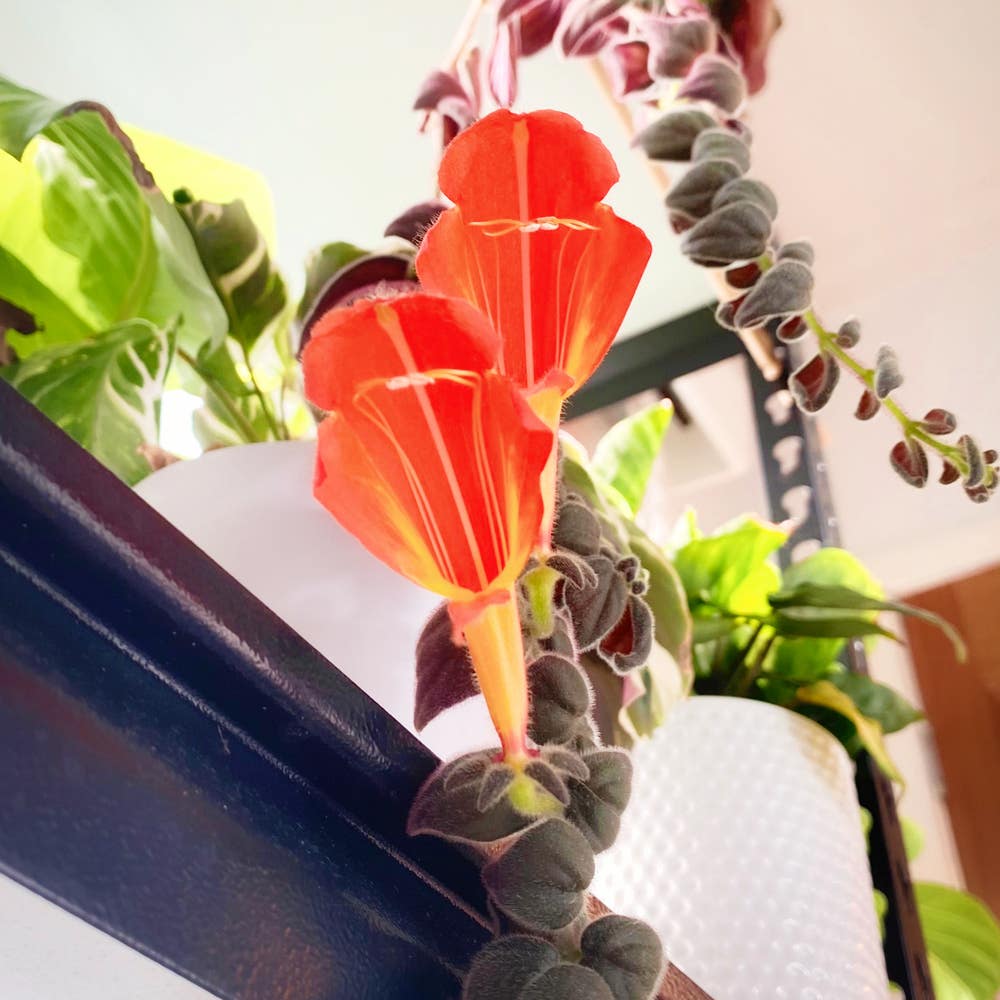
Additionally, clay pots offer an aesthetic appeal. Their natural look beautifully complements the vibrant colors of the Goldfish Plant, enhancing your indoor or outdoor space.
🪴 Advantages of Plastic Pots
Plastic pots are lightweight and easy to move, making them ideal for hanging arrangements. Their affordability and availability in various sizes make them a popular choice among plant enthusiasts.
Moreover, plastic pots retain moisture longer. This can be particularly beneficial in dry conditions, ensuring your Goldfish Plant stays hydrated.
⚖️ Comparison of Other Materials
Ceramic Pots
Ceramic pots boast attractive designs that can elevate your plant display. However, they tend to be heavier and less breathable than clay pots.
There's also a risk of cracking in extreme temperatures, which can be a concern for outdoor placements.
Metal Pots
Metal pots offer a modern aesthetic that can enhance any decor. However, they can heat up quickly, potentially affecting root health.
When using metal pots, consider insulation and drainage to protect your Goldfish Plant from temperature extremes.
Choosing the right pot material is essential for the health and growth of your Goldfish Plant. Each option has its pros and cons, so weigh them carefully based on your plant's needs and your environment.
Next, let’s explore the importance of drainage in pot selection.
Importance of Drainage
🌊 Role of Drainage Holes in Pot Selection
Drainage holes are crucial for any pot, especially for your Goldfish Plant. They prevent waterlogging and root rot, which can quickly turn a thriving plant into a sad, wilting mess.
Aim for at least 3-4 drainage holes to ensure optimal drainage. This simple feature can make all the difference in keeping your plant healthy.
🌱 How Drainage Affects Goldfish Plant Health
Proper drainage is essential for promoting healthy root systems. It helps prevent overwatering, which is a common pitfall for many plant owners.
Using well-draining potting soil is equally important for your Goldfish Plant. This combination keeps roots happy and thriving.
🚨 Signs of Poor Drainage and Their Impact
Watch for symptoms like yellowing leaves, wilting, or even root rot. These are clear indicators that your plant is struggling due to poor drainage.
Monitoring drainage is vital. If you notice these signs, it might be time to reassess your pot choice and make necessary adjustments.
With the right drainage setup, your Goldfish Plant can flourish, setting the stage for vibrant growth and stunning blooms. Next, let’s explore how to repot your Goldfish Plant effectively.
Repotting Guidelines
🐠 When to Repot Goldfish Plant
Repotting is essential when your Goldfish Plant becomes root-bound or you notice roots peeking through the drainage holes. The best time to make this change is in spring, aligning with the plant's active growing season.
🪴 How to Choose the Right Pot During Repotting
When selecting a new pot, aim for one that is 1-2 inches larger in diameter than the current pot. Also, consider the pot material based on your environmental conditions and the specific needs of your plant.
🔄 Step-by-Step Repotting Process
- Prepare the new pot with fresh, well-draining potting soil.
- Gently remove the Goldfish Plant from its current pot, taking care not to damage the roots.
- Inspect roots for signs of rot or damage; trim any unhealthy sections as necessary.
- Place the plant in the new pot, ensuring it sits at the same depth as before.
- Fill in with potting soil, firming it gently around the roots to eliminate air pockets.
- Water thoroughly to settle the soil and ensure good moisture contact.
Repotting your Goldfish Plant not only promotes healthy growth but also gives you a chance to refresh its environment. With the right pot and care, your plant will thrive beautifully!
Impact of Pot Choice on Growth
🌱 How Pot Size Influences Growth Rate
Choosing the right pot size is crucial for your Goldfish Plant's health. Larger pots provide ample space for root expansion, which leads to stronger, healthier plants.
Conversely, smaller pots can restrict growth, causing stress and stunted development. If your plant feels cramped, it won't thrive as it should.
🧱 Effects of Pot Material on Moisture Retention
The material of your pot also plays a significant role in moisture retention. Clay pots are porous, allowing for evaporation and reducing the risk of overwatering.
On the other hand, plastic pots retain moisture longer, which can be beneficial but requires careful monitoring to prevent soggy soil.
🏥 Long-Term Health Considerations Based on Pot Choice
Selecting a pot that fits your plant's growth habits is essential for its long-term health. Consider how your Goldfish Plant will grow and adjust your pot choice accordingly.
Seasonal changes also matter; indoor and outdoor placements can affect moisture levels and temperature. Make sure your pot can adapt to these variations for optimal growth.
With the right pot, your Goldfish Plant can flourish, setting the stage for vibrant blooms and lush foliage. Now, let’s explore the importance of drainage in pot selection.
⚠️ Safety First
This content is for general information and may contain errors, omissions, or outdated details. It is not medical, veterinary advice, or an endorsement of therapeutic claims.
Always consult a qualified healthcare professional before using any plant as food, medicine, or supplement.
Never eat any plant (or feed one to pets) without confirming its identity with at least two trusted sources.
If you suspect poisoning, call Poison Control (800) 222-1222, the Pet Poison Helpline (800) 213-6680, or your local emergency service immediately.
Spotted an error? Please report it here.
Keep your Goldfish Plant thriving 🌱 by using Greg's tailored reminders for repotting and pot selection, ensuring it has the perfect home for vibrant growth!