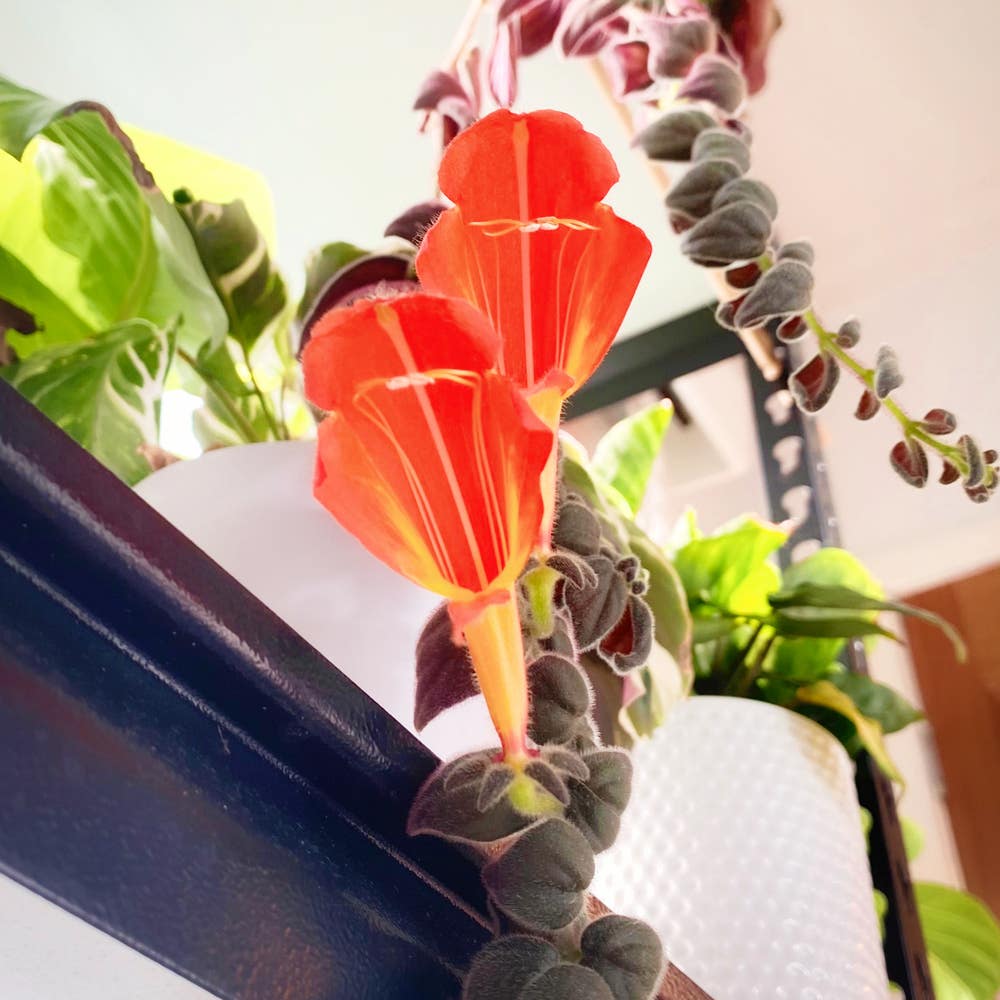
3 Steps to a Healthy Outdoor Goldfish Plant 🐟
Columnea gloriosa
By the Greg Editorial Team
Sep 29, 2024•5 min read
This article was created with the help of AI so we can cover more plants for you. May contain errors. See one? Report it here.
Master goldfish plant care to create a vibrant outdoor oasis! 🌱✨
- 🌞 Goldfish plants need 6-8 hours of bright, indirect light to thrive without scorching.
- 💧 Water every 5-7 days and ensure well-draining soil to prevent yellowing leaves.
- 🌱 Fertilize monthly with diluted liquid fertilizer for optimal growth during the season.
Outdoor Care Requirements
Sunlight Needs and Ideal Exposure 🌞
For a thriving outdoor goldfish plant, aim for bright, indirect light for 6-8 hours daily. Direct sunlight can scorch the leaves, so it's crucial to adjust light exposure based on seasonal changes.
Watering Requirements and Frequency 🚰
Keep the soil consistently moist but avoid waterlogging. A good rule of thumb is to water every 5-7 days, adjusting based on weather conditions. Watch for yellowing leaves and root rot, which are signs of overwatering.
Soil Preferences and Amendments 🌱
Opt for well-draining soil rich in organic matter to support healthy growth. The ideal soil pH ranges from 6.0 to 7.0. To enhance drainage and nutrient content, consider incorporating compost or peat moss.
Fertilization Schedule and Types 🍽️
Fertilize monthly during the growing season, specifically in spring and summer. A balanced liquid fertilizer with an NPK ratio of 10-10-10, diluted to half strength, works best. As temperatures drop in fall and winter, reduce fertilization to prevent stress on the plant.
With these outdoor care requirements in mind, your goldfish plant will flourish beautifully. Next, let’s explore the various planting options available to you.
Planting Options
Benefits and Drawbacks of Container Planting 🌱
Container planting offers remarkable flexibility. You can easily move pots to find the perfect sunlight exposure, ensuring your goldfish plants thrive.
Managing pests and diseases is simpler in containers. However, limited root space can restrict growth, and you'll need to water more frequently as containers dry out faster.
Benefits and Drawbacks of In-Ground Planting 🌍
In-ground planting provides ample space for root expansion, leading to healthier plants. The soil naturally retains moisture, which can be a boon during hot weather.
On the downside, you have less control over soil quality and drainage. Additionally, in-ground plants are more vulnerable to outdoor pests and diseases, requiring vigilant monitoring.
Understanding these planting options will help you make informed decisions for your goldfish plants. Next, let’s explore how to protect them from environmental factors.
Protection from Environmental Factors
🌦️ Weather Protection Strategies
Protecting your outdoor goldfish plant from unpredictable weather is crucial. Use row covers or cloches during unexpected cold snaps to shield your plants from frost.
Mulching around the base helps retain soil moisture and regulate temperature. Additionally, providing shade during extreme heat can prevent leaf burn, ensuring your plants thrive.
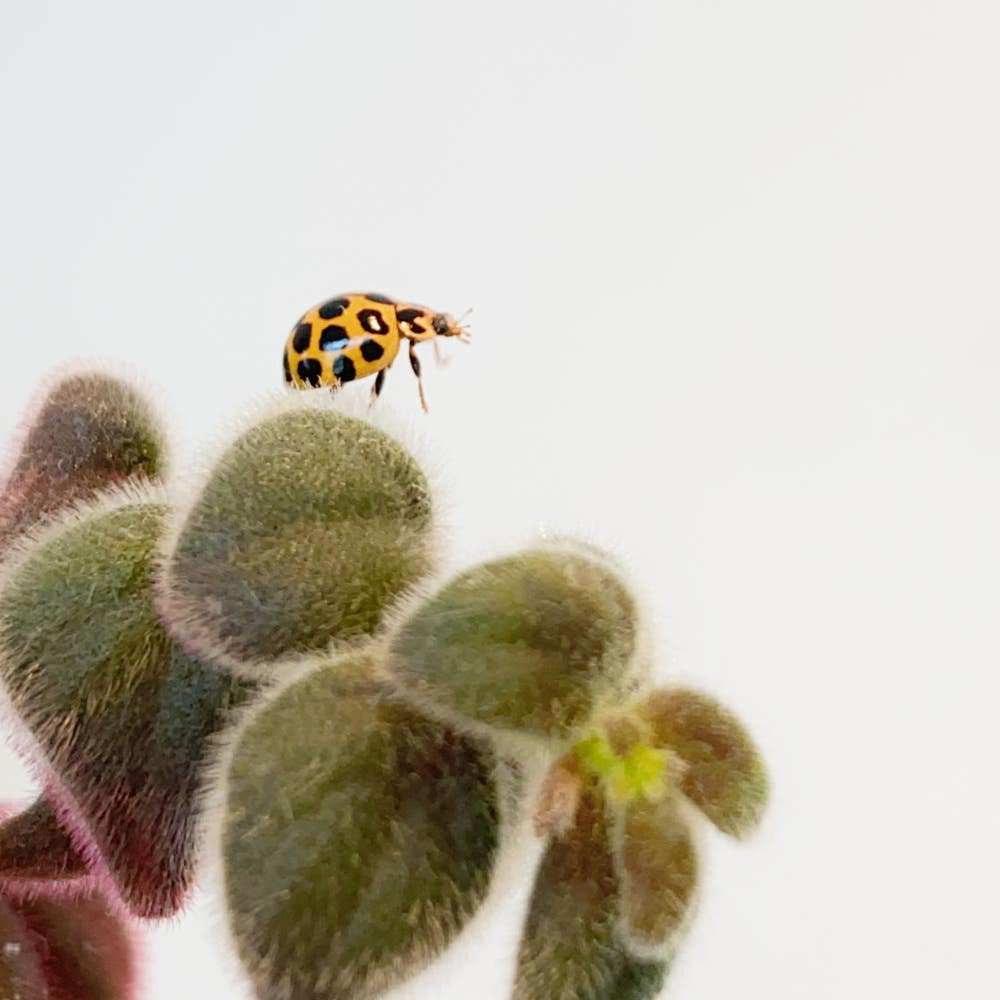
🐞 Common Outdoor Pests and Control Methods
Outdoor pests can be a nuisance, but identifying them early makes a difference. Common culprits include aphids, spider mites, and whiteflies.
For pest control, consider using neem oil and insecticidal soap to tackle aphids effectively. Increasing humidity can deter spider mites, while yellow sticky traps are great for catching whiteflies.
🦠 Diseases and Prevention Tips
Be aware of common diseases like root rot and powdery mildew that can affect your goldfish plant. To prevent root rot, ensure proper drainage in your planting area.
Maintaining good air circulation is key to avoiding powdery mildew. Regular inspections are essential for early detection, allowing you to address issues before they escalate.
With these protective measures in place, your outdoor goldfish plant will be better equipped to handle environmental challenges. Next, let’s explore seasonal care tips to keep your plant thriving throughout the year.
Seasonal Care
Spring Care Tips 🌸
As spring arrives, it's time to kickstart your fertilization routine. Begin applying fertilizer as growth resumes to give your outdoor goldfish plant the nutrients it craves.
Inspect your plants for any signs of pests or diseases that may have lingered through winter dormancy. Pruning any dead or damaged growth will encourage fresh, vibrant new growth.
Summer Care Considerations ☀️
With summer's heat, monitoring your watering frequency becomes crucial. Increased evaporation means you may need to water more often to keep the soil consistently moist.
Providing additional shade during peak heat can protect your plants from leaf burn. Regularly check for pests, as they tend to be more active in warmer months, and take action promptly.
Fall Preparation for Winter 🍂
As temperatures begin to drop, gradually reduce your watering schedule. This helps your plants acclimate to the changing conditions.
Prepare for potential frost by covering your plants or moving containers indoors. Don't forget to give them a final fertilization before they enter winter dormancy.
Winter Care and Protection Strategies ❄️
During winter, protecting your outdoor plants from frost is essential. Use coverings to shield them from harsh conditions.
Significantly reduce your watering frequency, as plants require less moisture during dormancy. Keep an eye out for any signs of disease or pest activity, especially during milder winter spells.
Transitioning through the seasons with care ensures your outdoor goldfish plant thrives year-round. Next, let’s explore how climate zones impact your plant's health and growth.
Climate Zone Considerations
🌍 Best Climate Zones
Outdoor goldfish plants thrive in USDA zones 10-11. These zones offer warm temperatures year-round, making them ideal for tropical and subtropical climates.
🌦️ Adjustments for Different Climate Conditions
If you're in a cooler climate, consider container planting. This allows you to move your plants to sunnier spots or indoors when temperatures drop.
Using greenhouses or sunrooms can also be beneficial in temperate zones. These structures provide a controlled environment that can help your plants flourish.
⚡️ Special Considerations for Extreme Weather
During heatwaves, increase watering and provide shade to protect your plants. This helps prevent stress and keeps them healthy.
For heavy rain, ensure proper drainage to prevent root rot. Regularly check your garden's drainage system to avoid waterlogging.
Lastly, keep an eye on weather forecasts. Timely protective measures can make all the difference in safeguarding your outdoor goldfish plants.
With these climate considerations in mind, you'll be better equipped to nurture your plants through various weather conditions. Next, let's explore seasonal care tips to keep your goldfish plants thriving throughout the year.
⚠️ Safety First
This content is for general information and may contain errors, omissions, or outdated details. It is not medical, veterinary advice, or an endorsement of therapeutic claims.
Always consult a qualified healthcare professional before using any plant as food, medicine, or supplement.
Never eat any plant (or feed one to pets) without confirming its identity with at least two trusted sources.
If you suspect poisoning, call Poison Control (800) 222-1222, the Pet Poison Helpline (800) 213-6680, or your local emergency service immediately.
Spotted an error? Please report it here.
Cultivate a thriving goldfish plant 🌟 with Greg's tailored care reminders and expert tips, ensuring it flourishes beautifully in your garden all year round!