🐟 3 Tips for Healthy Goldfish Plant Roots
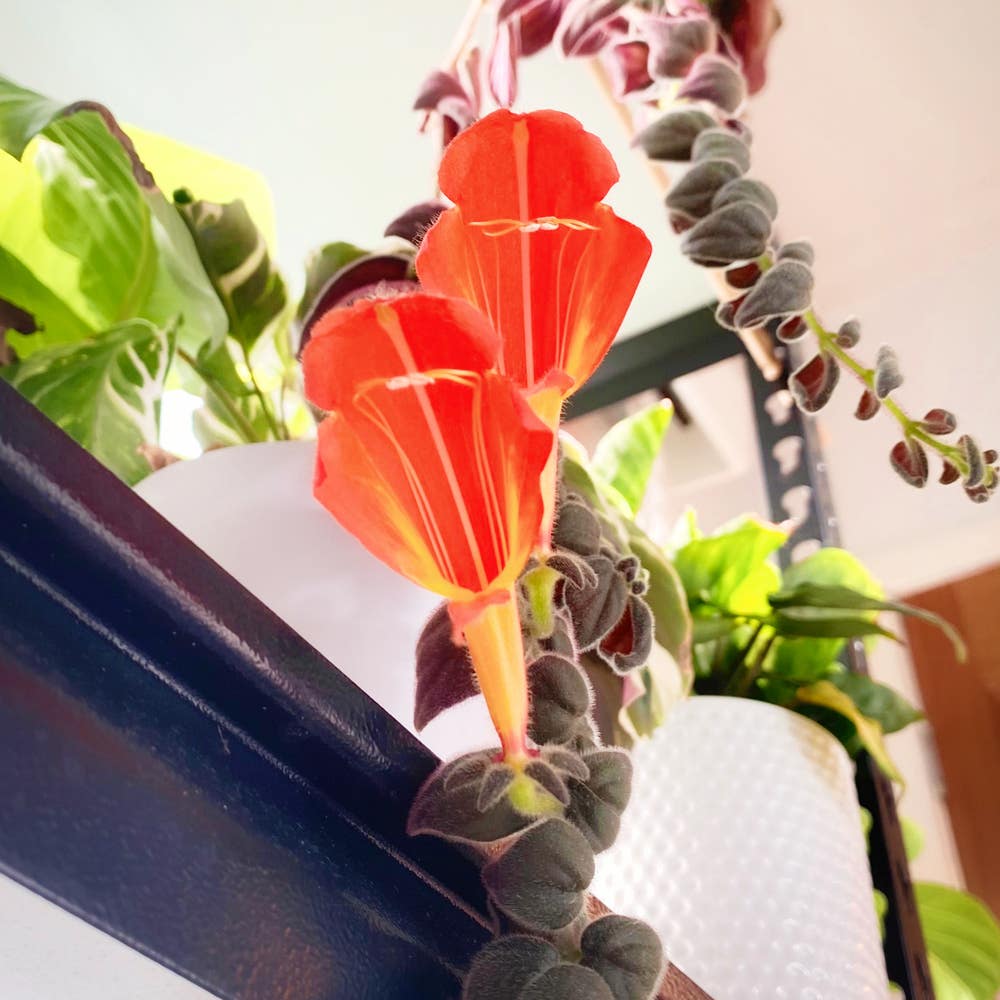
Columnea gloriosa
By the Greg Editorial Team
Sep 29, 2024•6 min read
This article was created with the help of AI so we can cover more plants for you. May contain errors. See one? Report it here.
Master Goldfish Plant root care for vibrant growth and resilience! 🌱✨
- 🌱 Goldfish plants need well-draining soil to prevent root rot and promote health.
- 💧 Allow soil to dry between waterings to avoid overwatering and support root vitality.
- 🪴 Transplant every 1-2 years to prevent rootbound conditions and ensure healthy growth.
Root System Characteristics
Type and Characteristics 🐠
Goldfish plants boast a fibrous root system that is both shallow and wide-spreading. This design allows for efficient moisture and nutrient absorption, making them resilient in various conditions.
However, these roots are sensitive to overwatering. Excess moisture can lead to root rot, which poses serious risks to the overall health of the plant.
Root Depth, Spread, and Growth Patterns 🌱
Typically, the root depth of a goldfish plant remains within the top 6-12 inches of soil. This shallow rooting system means that they can thrive in pots that provide adequate space for their roots to spread.
Speaking of spread, the roots can extend several feet in diameter. This characteristic necessitates careful consideration of pot size to ensure the plant has room to grow.
In terms of growth patterns, goldfish plants exhibit rapid root growth under optimal conditions. However, their activity can vary seasonally, with roots being more active during the growing season.
Understanding these root system characteristics is crucial for maintaining a healthy goldfish plant. With the right care, you can ensure your plant thrives and flourishes, setting the stage for the next steps in your plant care journey.
Watering and Fertilizing
🌱 How Root System Affects Watering Practices
A healthy root system is crucial for your Goldfish Plant's overall well-being. Using well-draining soil is essential; it prevents waterlogging and promotes robust root development.
To keep your plant thriving, allow the top inch of soil to dry out between waterings. This practice helps avoid overwatering, which can lead to root rot.
🧪 Fertilizing Considerations Based on Root Health
When it comes to fertilizing, opt for balanced, water-soluble fertilizers. These are ideal for providing the nutrients your Goldfish Plant needs without overwhelming its delicate roots.
Fertilize monthly during the growing season for optimal growth. Watch for signs of nutrient deficiency, such as yellowing leaves or stunted growth, which can indicate that your roots aren’t getting what they need.
By understanding the watering and fertilizing needs of your Goldfish Plant, you can ensure its roots remain healthy and vibrant. This foundation will set the stage for successful transplanting techniques, which we’ll explore next.
Transplanting Techniques
Best Practices for Transplanting Goldfish Plant 🐠
Transplanting your Goldfish Plant is essential for its health. Aim to do this every 1-2 years or whenever you notice it becoming rootbound.
To ensure a smooth transplant, follow these steps:
- Prepare a new pot filled with fresh, well-draining soil.
- Gently remove the plant from its current pot, taking care not to damage the roots.
- Inspect the roots and trim any that are damaged or unhealthy.
- Place the plant in the new pot and water it thoroughly to help settle the soil.
Impact of Root System on Transplanting Success 🌱
Handling the roots with care is crucial during transplanting. Damaged roots can hinder the plant's ability to absorb nutrients and water effectively.
Make sure the new pot provides ample space for the roots to spread. This will promote healthy growth and prevent future rootbound conditions.
Common Root-Related Issues
Identifying Root-Related Problems 🌱
Goldfish plants can face a couple of common root-related issues that every gardener should be aware of. The most prevalent problems include root rot, often caused by overwatering, and rootbound conditions that arise from inadequate pot size.
Watch for symptoms like wilting, even when you've watered adequately, and stunted growth or yellowing leaves. These signs can indicate that your plant's roots are struggling.
Solutions and Prevention Tips for Root Issues 🛠️
Preventing root rot is crucial for maintaining a healthy Goldfish plant. Always use well-draining soil and pots equipped with drainage holes to ensure excess water can escape.
If you notice your plant becoming rootbound, it's time to act. Repotting into a larger container will give the roots the space they need to thrive.
By staying vigilant and addressing these issues promptly, you can keep your Goldfish plant healthy and vibrant. Next, let’s explore how to recognize and address rootbound conditions effectively.
Signs of Healthy vs. Unhealthy Roots
🌱 Visual Cues for Healthy Roots
Healthy roots are a joy to behold. They should be firm and exhibit a white or light tan color, indicating vitality and proper nutrient absorption.
🚨 Indicators of Unhealthy Roots and Corrective Actions
On the flip side, unhealthy roots tell a different story. Look for dark, mushy roots accompanied by a foul smell—these are clear signs of trouble.
If you encounter unhealthy roots, take immediate action. Trim away the affected roots and repot the plant in fresh, well-draining soil to give it a fighting chance.
Recognizing these signs early can make all the difference in maintaining a thriving Goldfish Plant. With a little attention, you can ensure your plant's roots stay healthy and robust, setting the stage for vibrant growth.
Next, let’s dive into recognizing and addressing rootbound conditions to further enhance your plant care skills.
Recognizing and Addressing Rootbound Conditions
🌱 Definition and Recognition of Rootbound Conditions
Rootbound conditions occur when a plant's roots circle the pot, limiting their ability to absorb nutrients effectively. This can lead to a range of issues that affect the overall health of your Goldfish Plant.
👀 Signs of Rootbound Plants
Look for roots growing out of drainage holes, which is a clear indicator that your plant is rootbound. Other signs include stunted growth and poor water retention, suggesting the roots are cramped and struggling.
🛠️ When and How to Address Rootbound Issues
To keep your Goldfish Plant thriving, check for rootbound conditions at least once a year or whenever you notice the signs mentioned above.
✂️ Steps to Alleviate Rootbound Conditions
- Remove the plant from its pot: Gently lift it out to avoid damaging the roots.
- Loosen the roots: Carefully untangle any circling roots and trim any that are excessively long or damaged.
- Repot into a larger container: Choose a pot that allows for ample growth and fill it with fresh, well-draining soil.
By addressing rootbound conditions promptly, you ensure your Goldfish Plant has the space it needs to flourish. This proactive approach not only enhances root health but also boosts the overall vitality of your plant.
Next, we’ll explore propagation techniques and how healthy roots play a crucial role in creating new plants.
Propagation and Division
🌱 Importance of Root Health in Propagation
Healthy roots are crucial for successful propagation. They ensure vigorous growth and resilience in new plants, setting the stage for a thriving Goldfish Plant.
✂️ Techniques for Dividing Goldfish Plant Effectively
When dividing your Goldfish Plant, follow these best practices:
- Choose a healthy, mature plant: This will give you the best chance for successful propagation.
- Carefully separate sections with roots intact: Handle the roots gently to avoid damage.
- Replant immediately in suitable soil and water thoroughly: This helps the new sections establish quickly.
Timing is key for division. Aim for early spring or right after flowering for optimal results. This ensures your new plants have the best chance to thrive.
By focusing on root health and following these techniques, you can enjoy a flourishing Goldfish Plant collection. Next, let’s explore how to recognize and address rootbound conditions to keep your plants healthy and happy.
⚠️ Safety First
This content is for general information and may contain errors, omissions, or outdated details. It is not medical, veterinary advice, or an endorsement of therapeutic claims.
Always consult a qualified healthcare professional before using any plant as food, medicine, or supplement.
Never eat any plant (or feed one to pets) without confirming its identity with at least two trusted sources.
If you suspect poisoning, call Poison Control (800) 222-1222, the Pet Poison Helpline (800) 213-6680, or your local emergency service immediately.
Spotted an error? Please report it here.
Keep your goldfish plant thriving 🌊 by using Greg's tailored watering alerts to prevent overwatering and promote robust root health!