🐟 Goldfish Plant Is a Perennial
Columnea gloriosa
By the Greg Editorial Team
Sep 29, 2024•4 min read
This article was created with the help of AI so we can cover more plants for you. May contain errors. See one? Report it here.
Unlock the secret to a vibrant garden with the Goldfish Plant 🌼, a perennial that blooms beautifully year after year!
- 🌱 Goldfish Plants are perennials, regrowing from the same roots each year.
- 🌼 Vibrant blooms from late spring to early fall enhance garden charm.
- 🌍 Optimal care extends lifespan; adjust watering and sunlight for best results.
Characteristics of Goldfish Plant as a Perennial
🎣 Unique Growth Pattern
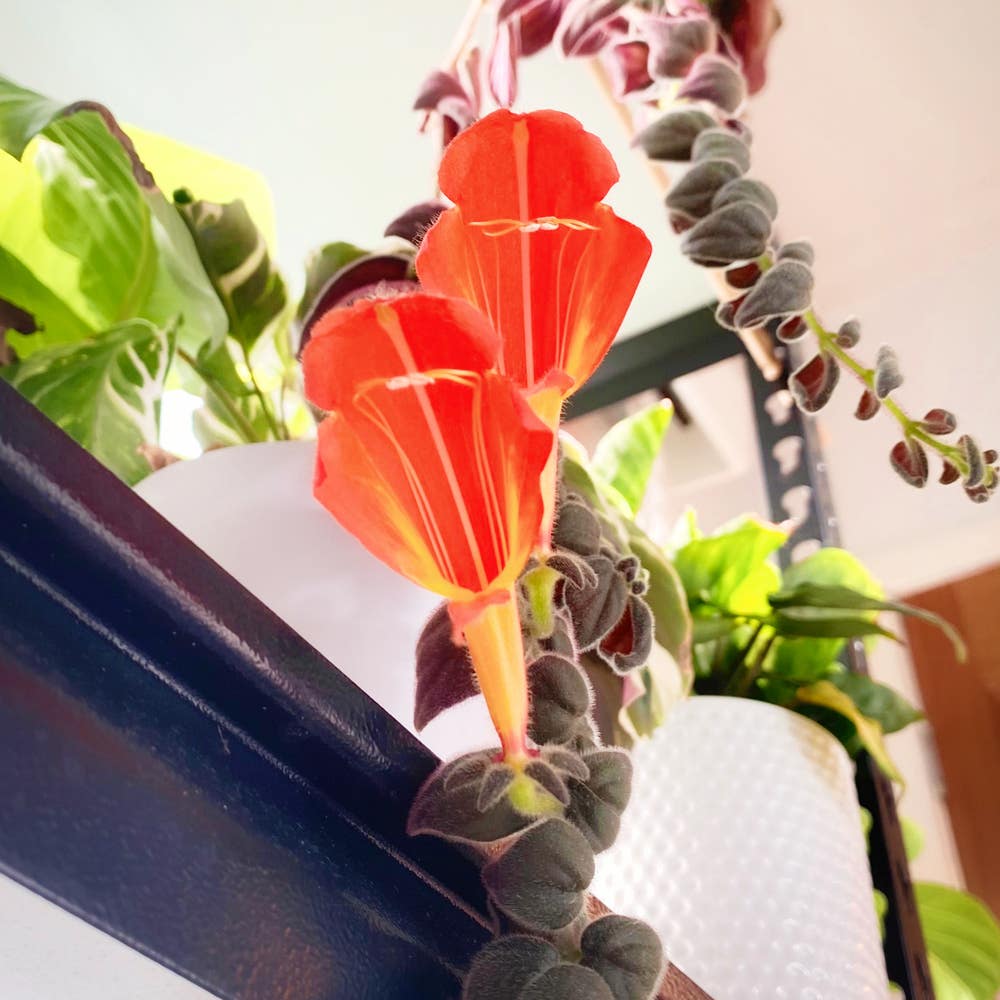
The Goldfish Plant is known for its trailing stems and vibrant, tubular flowers that resemble playful goldfish. This unique appearance not only adds charm to any garden but also highlights its ability to regrow from the same root system each year.
🌱 Multi-Year Lifecycle
Understanding the lifecycle of the Goldfish Plant is essential for successful cultivation. It progresses through distinct stages: germination, growth, flowering, and dormancy.
Established root systems play a crucial role in this multi-year growth, allowing the plant to thrive year after year. A strong root network ensures that the Goldfish Plant can bounce back each spring, ready to dazzle with its colorful blooms.
This perennial nature makes it a favorite among gardeners, as it requires less replanting and offers a reliable burst of color season after season. With the right care, you can enjoy the beauty of the Goldfish Plant for many years to come.
As we explore its flowering cycles next, you'll see how this plant continues to impress throughout its lifecycle.
Flowering and Lifespan
🌸 Flowering Cycles
Goldfish Plants are known for their vibrant blooms that resemble goldfish, adding a splash of color to any garden. They typically flower from late spring through early fall, with multiple cycles of blooming throughout the growing season.
The duration of these blooms can vary, but they generally last several weeks. Healthy blooms not only enhance the plant's aesthetic appeal but also contribute to its overall vitality, encouraging further growth and resilience.
⏳ Expected Lifespan and Influencing Factors
Under optimal conditions, a Goldfish Plant can live for several years, often thriving for up to five years or more. However, its longevity is influenced by several factors, including care practices, climate, and environmental conditions.
Proper watering, adequate sunlight, and appropriate fertilization can significantly extend its lifespan. Conversely, neglect or adverse weather conditions can shorten its life, making attentive care essential for a thriving Goldfish Plant.
As you consider the flowering cycles and lifespan of the Goldfish Plant, remember that understanding these aspects can greatly enhance your gardening experience. Next, we’ll explore the dormancy periods and how seasonal changes affect this unique perennial.
Dormancy and Seasonal Changes
Dormancy Periods 💤
As the seasons shift, your Goldfish Plant may signal its entry into dormancy. Look for signs like wilting leaves and reduced growth, indicating it’s time to slow down.
Typically, dormancy lasts several months during the cooler seasons. This phase is essential for the plant to conserve energy and prepare for the next growth cycle.
Seasonal Changes and Their Effects 🌡️
Temperature and humidity play crucial roles in your Goldfish Plant's activity. During warmer months, expect vibrant growth, while cooler temperatures can lead to a noticeable slowdown.
Care requirements also change during dormancy. Reduce watering and avoid fertilizing, allowing the plant to rest and rejuvenate for the upcoming growing season.
Understanding these seasonal dynamics will help you nurture your Goldfish Plant effectively, ensuring it thrives year after year. As you prepare for the next section, consider how these dormancy patterns influence your gardening strategy.
Advantages for Gardeners
Benefits of Perennial Nature 🌼
Goldfish Plants are a gardener's dream due to their perennial nature. They save you the hassle of replanting each year, allowing you to enjoy their vibrant blooms season after season.
Established root systems enhance the plant's health and resilience. This means less stress for you and a more robust plant that can withstand various conditions.
Practical Implications for Garden Planning 🗺️
Integrating Goldfish Plants into your garden design can lead to long-term beauty and sustainability. Consider their growth habits and flowering cycles when planning your layout.
Creating a harmonious garden with other perennials is key. Pairing Goldfish Plants with complementary species can enhance visual appeal and promote a thriving ecosystem.
By understanding these advantages, you can make informed decisions that elevate your gardening experience. Next, let’s explore how climate variations affect the Goldfish Plant's growth and behavior.
Climate Variations
🌍 Variations in Behavior Across Climate Zones
Goldfish Plants exhibit distinct growth patterns depending on the climate zone. In warmer regions, they thrive with lush foliage and frequent blooms, while cooler climates may slow their growth and reduce flowering.
Understanding your local climate is essential for successful cultivation. For instance, in humid areas, these plants may flourish, but in arid zones, they might require extra watering and shade.
🌱 Tips for Maximizing Benefits
To ensure your Goldfish Plant thrives, start with well-draining soil and a location that receives bright, indirect sunlight. This setup mimics their natural habitat and promotes healthy growth.
Adjust your care routine seasonally. During the growing season, provide regular watering and fertilization, while in dormancy, reduce watering to prevent root rot. These simple practices can significantly enhance your plant's health and longevity.
By tailoring your approach to the Goldfish Plant's lifecycle and local climate, you can enjoy a vibrant, resilient addition to your garden.
⚠️ Safety First
This content is for general information and may contain errors, omissions, or outdated details. It is not medical, veterinary advice, or an endorsement of therapeutic claims.
Always consult a qualified healthcare professional before using any plant as food, medicine, or supplement.
Never eat any plant (or feed one to pets) without confirming its identity with at least two trusted sources.
If you suspect poisoning, call Poison Control (800) 222-1222, the Pet Poison Helpline (800) 213-6680, or your local emergency service immediately.
Spotted an error? Please report it here.
Nurture your Goldfish Plant to bloom brilliantly 🌟 with Greg's tailored care tips and watering reminders, ensuring it thrives year after year!