What is a Glorious Columnea? Complete Guide
Columnea gloriosa
By the Greg Editorial Team
Feb 23, 2025•12 min read
This article was created with the help of AI so we can cover more plants for you. May contain errors. See one? Report it here.
Elevate your home with the stunning glorious columnea, a vibrant plant that thrives with minimal care! 🌱
- 🌞 Glorious columnea thrives in bright, indirect sunlight and prefers 65°F to 80°F temperatures.
- 💧 Water every 1-2 weeks, allowing the top inch of soil to dry out.
- 🌱 Not toxic to pets, but excessive consumption may cause mild gastrointestinal upset.
How to Grow
Choosing a Location 🌞
To ensure your glorious columnea thrives, start by selecting the right location. It loves bright, indirect sunlight, so keep it away from harsh direct sun exposure.
Temperature is also crucial; aim for a cozy range between 65°F to 80°F (18°C to 27°C) for optimal growth.
Soil Preparation 🌱
Next, focus on soil preparation. A well-draining potting mix is essential, and you might want to enhance aeration by adding perlite or orchid bark.
The ideal pH level for your soil should be slightly acidic to neutral, ideally between 6.0 and 7.0.
Planting Techniques 🌼
When it comes to planting, choose a container with drainage holes. For young plants, pots that are 6-8 inches in diameter work best.
Make sure to plant at the right depth; the crown of the plant should be level with the soil surface for healthy growth.
Watering Requirements 💧
Watering is a critical aspect of care. Allow the top inch of soil to dry out between waterings, which typically means watering every 1-2 weeks.
Be on the lookout for signs of overwatering, such as yellowing leaves or mushy stems, which can indicate trouble.
Fertilizing Schedule 🌿
For fertilization, use a balanced liquid fertilizer with an NPK ratio of 20-20-20, but dilute it to half strength.
Apply this every 4-6 weeks during the growing season, which spans spring and summer.
Pruning Methods ✂️
Pruning is essential for maintaining your plant's health. The best time to prune is early spring, just before new growth begins.
Use techniques like pinching back leggy growth to encourage bushiness and removing any dead or yellowing leaves.
Ongoing Care Tips 🛡️
Humidity plays a significant role in your columnea's well-being. Aim to maintain humidity levels above 50%; consider misting or using a humidity tray to help.
Lastly, keep an eye out for pests and diseases, especially during the warmer months, to ensure your plant stays healthy and vibrant.
With these tips, you'll be well on your way to nurturing a thriving glorious columnea! Next, let’s explore how to propagate this beautiful plant.
Propagation
🌱 Methods of Propagation
Propagation is an exciting way to expand your collection of glorious columnea. You can choose between two primary methods: cuttings and seeds.
Cuttings: This method is moderately difficult but rewarding. Take 4-6 inch stem cuttings that include at least one leaf node for the best chance of success.
Seeds: Collect seeds from mature flowers. This method is more challenging, as it requires sowing in a well-draining seed starting mix.
📋 Step-by-Step Instructions for Each Method
Cuttings
Prepare the Cutting: Dip the cut end of your stem in rooting hormone to encourage root growth.
Plant the Cutting: Place the cutting in a moist potting mix. Cover it with a plastic bag to maintain humidity, which is crucial for root development.
Wait for Roots: In about 2-4 weeks, you should see roots developing, signaling that your cutting is ready for its own pot.
Seeds
Sow the Seeds: Sprinkle the seeds on the surface of the soil and lightly press them into the mix. This ensures good contact with the soil.
Maintain Conditions: Keep the soil moist and warm, ideally between 70°F to 75°F. Germination typically occurs within 2-3 weeks.
Propagation not only allows you to grow more plants but also deepens your connection with this vibrant species. Now that you know how to propagate, let's explore the lifecycle of the glorious columnea!
Lifecycle
🌱 Lifecycle Stages
The lifecycle of a glorious columnea begins with germination, where seeds sprout within 2-3 weeks under optimal conditions. Following this, the seedling stage occurs, during which true leaves develop within 4-6 weeks.
Next comes the vegetative growth phase, characterized by rapid growth lasting several months. This is when the plant establishes itself and prepares for the next exciting stage: flowering, which typically happens in late spring to summer.
Finally, after the flowering phase, the plant enters seed production. Here, seeds develop after the blooms fade, ready for collection and propagation.
⏳ Lifespan and Growth Timeline
With proper care, a glorious columnea has an average lifespan of 3-5 years. Under ideal conditions, it can reach full maturity in approximately 6-12 months.
The growth rate is moderate, allowing the plant to grow between 12-24 inches per year. This steady growth makes it a rewarding addition to your plant collection, providing vibrant blooms and lush foliage for years to come.
As you nurture your columnea, remember that each stage of its lifecycle is an opportunity to witness its beauty and resilience. Now that you understand its lifecycle, let’s explore how to propagate this stunning plant!
Size
Mature Height and Spread 🌱
The glorious columnea typically reaches a mature height of 12 to 24 inches (30 to 60 cm). When given the opportunity to trail, it can spread up to 36 inches (90 cm), creating a stunning display.
Growth Rate and Size Variability 📈
This plant has a moderate growth rate, which can be influenced by factors such as light, water, and nutrients. Additionally, the size of the columnea can vary significantly depending on whether it's grown indoors or outdoors, making it a versatile choice for different environments.
As you cultivate your glorious columnea, keep in mind that optimal conditions will encourage it to thrive. With the right care, you can enjoy its vibrant growth and beautiful blooms for years to come.
Next, let's explore the fascinating lifecycle of this plant and how it progresses from seed to maturity.
Roots
Characteristics of the Root System 🌱
The glorious columnea features a fibrous root system that enhances stability and nutrient uptake. These roots are typically shallow, rarely exceeding 12 inches (30 cm) in depth.
Common Root-Related Issues and Solutions ⚠️
One of the most common issues is root rot, which occurs due to overwatering. To prevent this, ensure your pot has proper drainage.
Identifying healthy roots is crucial; they should be firm and white. In contrast, unhealthy roots appear brown and mushy, signaling a need for immediate action.
Rootbound Conditions and Management 🔄
When a plant becomes rootbound, its roots start circling the pot, limiting growth. Signs of this condition include stunted growth and roots emerging from the drainage holes.
To manage rootbound conditions, repot your glorious columnea into a larger container. This simple step can rejuvenate your plant and promote healthy growth.
With proper attention to the root system, your glorious columnea will thrive, setting the stage for vibrant blooms and lush foliage. Next, let’s explore the numerous benefits this stunning plant brings to your home.
Benefits
Top 5 Benefits 🌟
Aesthetic Appeal
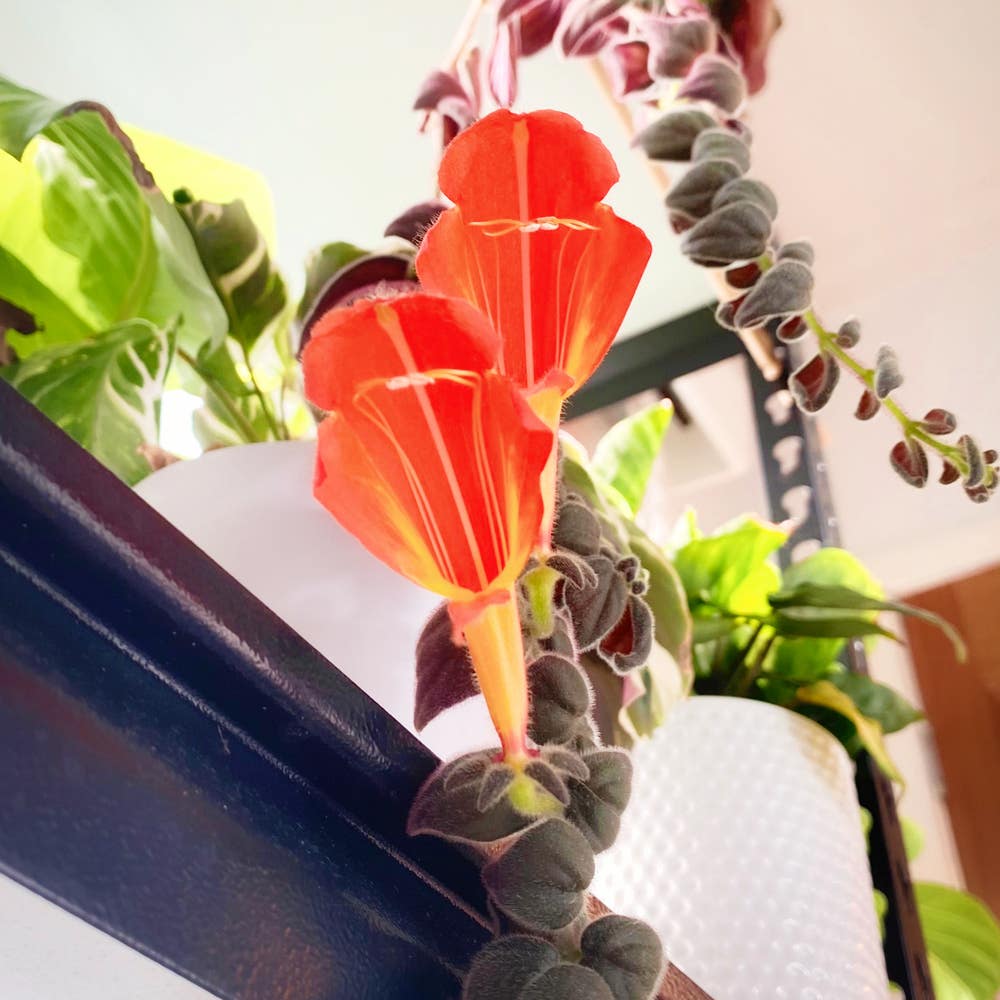
The Glorious Columnea is a showstopper with its bright, colorful flowers. These blooms can instantly enhance the beauty of both indoor and outdoor spaces, making them a favorite among plant enthusiasts.Air Purification
Beyond looks, this plant contributes to a healthier environment. It helps improve indoor air quality by filtering out toxins, making your home feel fresher and cleaner.Low Maintenance
Once established, the Glorious Columnea is a breeze to care for. It requires minimal attention, making it perfect for busy individuals or those new to gardening.Versatile Use
This plant is incredibly adaptable. It thrives in hanging baskets, containers, or as a decorative indoor plant, allowing you to get creative with your space.Cultural Significance
In many cultures, the Glorious Columnea symbolizes good luck and prosperity. Incorporating it into your home can add a touch of positive energy and cultural richness.
These benefits make the Glorious Columnea not just a plant, but a valuable addition to your home. With its vibrant presence and practical advantages, it’s hard to resist bringing one into your life.
Ready to learn how to propagate this beauty? Let's dive into the next section!
Companion Plants
🌱 Concept of Companion Planting
Companion planting is all about growing plants together to create a mutually beneficial environment. This technique can enhance growth, deter pests, and improve overall plant health.
🌼 Best Companion Plants
When it comes to glorious columnea, certain plants make excellent companions:
Ferns
Ferns provide much-needed humidity and shade, creating a cozy microclimate for your columnea.
Pothos
Pothos shares similar care requirements and adds visual appeal with its lush foliage.
Spider Plants
Spider plants are great for pest management and thrive under similar conditions, making them ideal partners.
🚫 Plants to Avoid
Be cautious with heavy feeders like tomatoes. These plants can compete for nutrients, potentially stunting your columnea's growth.
By choosing the right companions, you can create a thriving garden that not only looks beautiful but also supports the health of your glorious columnea. Next, let's explore the fascinating topic of toxicity to humans, dogs, and cats.
Toxicity to Humans
🛡️ Safety Overview
The glorious columnea is not listed as toxic by major poison control centers, making it a safe choice for your home. However, it's wise to be cautious; consuming large quantities may lead to mild skin irritation or digestive discomfort.
⚠️ Cautionary Notes
Always exercise caution with any plant. If you experience unusual symptoms after contact or consumption, seek medical advice promptly. Keeping this plant around can be enjoyable, but awareness is key to ensuring a safe environment for everyone.
As we explore the next section, let's dive into how this plant interacts with our furry friends.
Toxicity to Dogs
Safety Overview 🐶
Good news for dog owners! The glorious columnea is not toxic according to major pet poison control centers. This means you can enjoy its vibrant blooms without worrying about your furry friend getting sick.
Potential Minor Issues ⚠️
While it's generally safe, excessive consumption can lead to mild gastrointestinal upset. It's always best to keep an eye on your dog’s behavior around the plant to ensure they don’t munch on it too much.
Tips for Dog Owners 🐾
To prevent any potential issues, place the plant out of reach of curious paws. Regularly monitor your dog's interactions with the plant, ensuring they stay safe while you enjoy the beauty of your glorious columnea.
With these precautions, you can cultivate a thriving plant while keeping your canine companion happy and healthy!
Toxicity to Cats
Safety Overview 🐱
Good news for cat lovers! The glorious columnea is not considered toxic according to major pet poison control centers.
However, if your feline friend decides to nibble on it, there could be minor issues like mild gastrointestinal upset.
Tips for Cat Owners 🏡
To keep your curious cat safe, place the plant out of reach.
It's also wise to monitor your cat's behavior around the plant to ensure they don't indulge too much.
By taking these simple precautions, you can enjoy the beauty of your glorious columnea without worrying about your furry companion.
As we move forward, let’s explore the common problems that might arise when caring for this vibrant plant.
Problems
Common Problems 🌱
Growing a Glorious Columnea can be a rewarding experience, but it’s not without its challenges. Understanding these common problems can help you maintain a healthy plant.
Incorrect Watering 🚰
Watering issues are the most frequent culprits. If you notice yellowing leaves, your plant may be overwatered. Conversely, wilting leaves often indicate underwatering.
Incorrect Light Conditions ☀️
Light conditions play a crucial role in your plant's health. Too much sun can scorch the leaves, while insufficient light leads to leggy growth. Finding that sweet spot of bright, indirect sunlight is key.
Diseases 🦠
Fungal diseases, such as powdery mildew, can also pose a threat. To prevent these issues, ensure good air circulation around your plant.
Growth Problems 📈
Growth problems can arise from various factors. Etiolated growth, characterized by stretched stems, often results from inadequate light. Adjusting the light exposure can remedy this situation effectively.
By keeping an eye on these common issues, you can ensure your Glorious Columnea thrives. Next, let’s explore the potential pests that could disrupt your plant's growth.
Bugs
Potential Pest Issues 🐜
While glorious columnea plants are generally pest-resistant, they can still encounter some unwelcome visitors. Keeping an eye on your plants will help you catch any issues early.
Identification and Treatment 🔍
Spider Mites
Look for fine webbing on leaves, a telltale sign of spider mites. Treat these pests promptly with insecticidal soap to keep your plant healthy.
Mealybugs
These pests appear as cotton-like masses on stems. You can easily remove them using a cotton swab dipped in alcohol, which effectively eliminates their presence.
Aphids
Small green insects, aphids can cluster on new growth. Control them with neem oil or insecticidal soap to prevent damage to your glorious columnea.
By staying vigilant and addressing pest issues quickly, you can ensure your plant thrives without interruption. Next, let’s explore what animals might be interested in snacking on your glorious columnea.
What Eats
Common Animals 🦌
When it comes to your glorious columnea, several critters might find it a tasty treat.
Deer: These graceful creatures can leave behind signs of chewed leaves and broken stems, indicating they've taken a nibble.
Rabbits: If you notice evidence of nibbling on the lower leaves, rabbits might be the culprits.
Squirrels: These energetic little animals may dig in your pots or chew on the stems, causing noticeable damage.
Signs of Damage and Deterrent Methods 🚫
Keep an eye out for signs of animal activity around your plant.
- Look for chewed foliage, droppings, or tracks near the base of your glorious columnea.
To protect your plant, consider using deterrents.
Chemical repellents: Commercial deer and rabbit deterrents can help keep these animals at bay.
Organic methods: Planting strong-smelling herbs nearby can naturally deter pests, creating a less inviting environment for them.
By being proactive, you can enjoy your glorious columnea without the worry of unwanted munchers!
⚠️ Safety First
This content is for general information and may contain errors, omissions, or outdated details. It is not medical, veterinary advice, or an endorsement of therapeutic claims.
Always consult a qualified healthcare professional before using any plant as food, medicine, or supplement.
Never eat any plant (or feed one to pets) without confirming its identity with at least two trusted sources.
If you suspect poisoning, call Poison Control (800) 222-1222, the Pet Poison Helpline (800) 213-6680, or your local emergency service immediately.
Spotted an error? Please report it here.
Nurture your glorious columnea to bloom beautifully 🌺 with Greg's tailored watering alerts and expert care tips that will keep your plant thriving!