5 Tips for Caring for Your Goldfish Plant in Winter 🐟
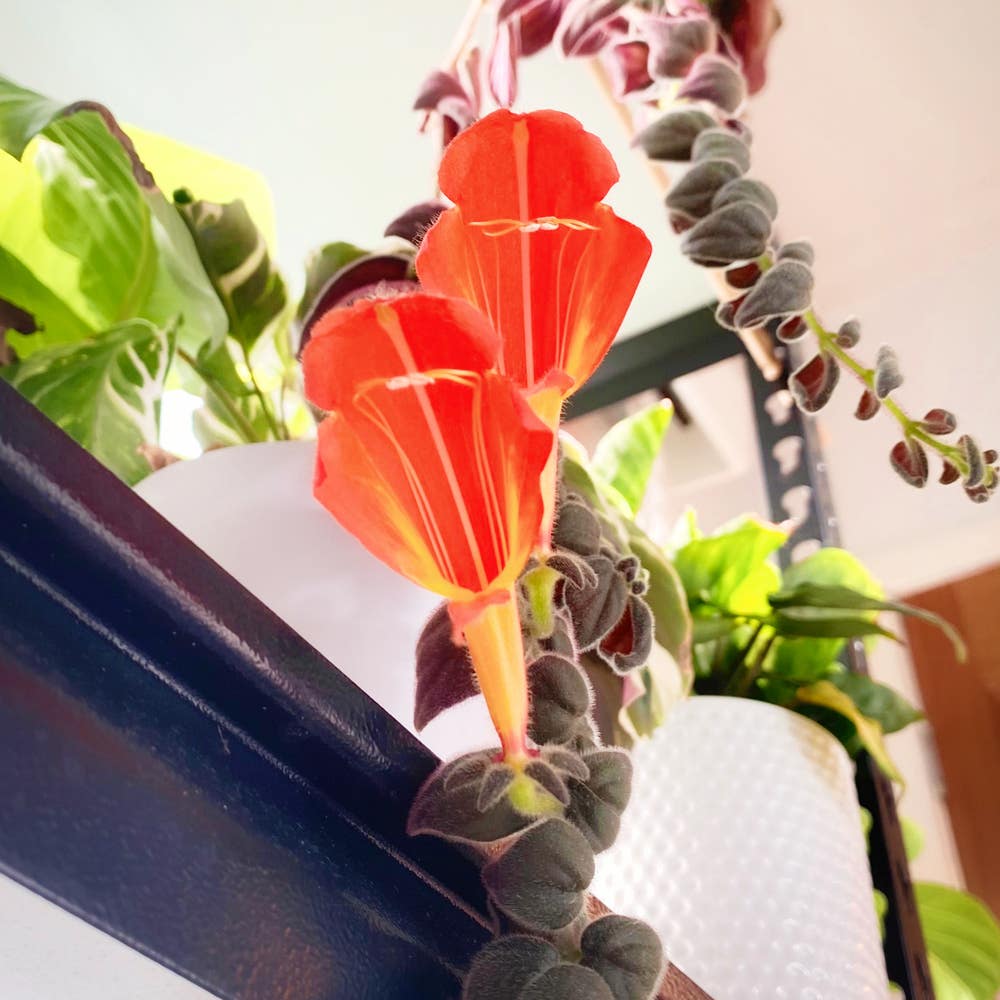
Columnea gloriosa
By the Greg Editorial Team
Sep 29, 2024•3 min read
This article was created with the help of AI so we can cover more plants for you. May contain errors. See one? Report it here.
Ensure your Goldfish Plant flourishes this winter with vital care tips for health and resilience! ❄️🌱
- 💧 Water every 2-3 weeks in winter to prevent overwatering your Goldfish Plant.
- ❄️ Protect from frost using cloths or by bringing plants indoors during cold snaps.
- 🌞 Provide 6-8 hours of indirect sunlight daily for healthy winter growth.
Winter Care Techniques
🌊 Adjusting watering schedules during winter
During winter, it's crucial to adjust your watering schedule for your Goldfish Plant. Aim to water every 2-3 weeks, depending on the humidity levels in your home.
Watch for signs of overwatering, such as yellowing leaves and mushy stems. Allowing the soil to dry out between waterings is essential to prevent root rot.
❄️ Fertilizing in winter: what to know
Fertilization during winter dormancy is generally not recommended. However, if your plant shows signs of active growth, you can use a diluted, balanced fertilizer.
Only fertilize if temperatures remain above 50°F (10°C) to ensure your plant can absorb the nutrients effectively.
🧤 Protecting from frost: methods and materials
To protect your Goldfish Plant from frost, consider a few effective techniques. Use frost cloths or blankets for outdoor plants, and bring potted plants indoors when temperatures drop.
Materials like burlap, plastic sheeting, or specialized plant covers can provide additional protection. Always monitor local weather forecasts for frost warnings to stay ahead of any cold snaps.
With these winter care techniques, your Goldfish Plant will thrive even in the colder months. Next, let’s explore how to provide optimal indoor care during winter.
Indoor Care for Goldfish Plant in Winter
Optimal Indoor Temperature and Humidity Levels 🌡️
To keep your goldfish plant thriving indoors during winter, aim for a temperature range of 60°F to 75°F (15°C to 24°C). This warmth helps maintain its health and encourages growth.
Humidity is equally crucial. Ensure levels stay above 50% by using humidifiers or placing pebble trays filled with water near the plant. If you notice leaf curling or browning tips, it’s a sign that humidity levels are too low.
Light Requirements During Winter 💡
Your goldfish plant craves bright, indirect sunlight for about 6-8 hours each day. This light is essential for healthy growth and vibrant foliage.
To promote even growth, rotate the plant regularly. If natural light is lacking, consider using grow lights to supplement its needs. This will help prevent leggy stems and ensure your plant remains robust and beautiful.
As you care for your goldfish plant indoors this winter, keep an eye on its environment. A little attention to temperature and light can make a big difference in its health and vitality. Next, let’s explore how to prepare for spring and rejuvenate your plant after the winter months.
Spring Preparation and Recovery
🌨️ Signs of Winter Damage
As winter fades, your goldfish plant may show signs of distress. Look for wilting, yellowing leaves, and stunted growth as key indicators of damage.
Assess the overall health of your plant by checking for root rot or pest infestations. Early detection can make a significant difference in recovery.
🌱 Steps for Recovery and Rejuvenation in Spring
Pruning Damaged or Dead Foliage: Start by removing any unhealthy leaves. This encourages new growth and revitalizes the plant.
Gradually Reintroducing Fertilizer: As temperatures rise, begin to reintroduce a diluted fertilizer. This supports the plant's recovery without overwhelming it.
Increasing Watering Frequency: Once spring arrives, return to a regular watering schedule. This helps the plant awaken from dormancy and thrive.
🌼 Preparing for the Growing Season
Transitioning care is crucial as you prepare for the growing season. Gradually increase light exposure and humidity levels to create an optimal environment.
Keep an eye out for pests with regular inspections. Catching issues early can save your plant from further stress.
Finally, if you plan to move your goldfish plant outdoors, acclimatization is essential. Allow it to adjust gradually to prevent shock and ensure a smooth transition.
⚠️ Safety First
This content is for general information and may contain errors, omissions, or outdated details. It is not medical, veterinary advice, or an endorsement of therapeutic claims.
Always consult a qualified healthcare professional before using any plant as food, medicine, or supplement.
Never eat any plant (or feed one to pets) without confirming its identity with at least two trusted sources.
If you suspect poisoning, call Poison Control (800) 222-1222, the Pet Poison Helpline (800) 213-6680, or your local emergency service immediately.
Spotted an error? Please report it here.
Keep your Goldfish Plant thriving this winter ❄️ with Greg's tailored watering reminders and humidity tips to ensure it flourishes despite the cold!