5 Indoor Goldfish Plant Care Dos and Don'ts 🐟
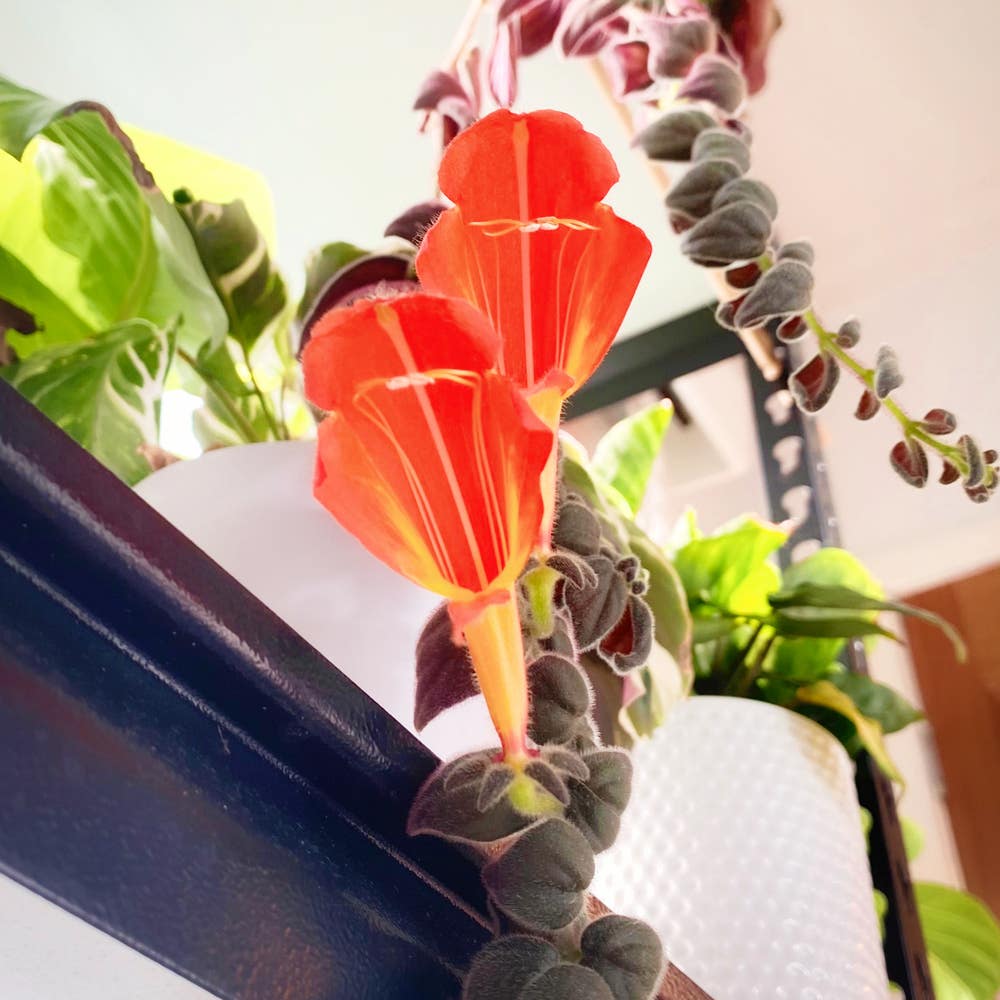
Columnea gloriosa
By the Greg Editorial Team
Sep 29, 2024•4 min read
This article was created with the help of AI so we can cover more plants for you. May contain errors. See one? Report it here.
Unlock the secret to a vibrant Goldfish Plant with essential care tips for light, water, and humidity! 🌿
- 🌞 Goldfish plants need bright, indirect sunlight for optimal blooming and growth.
- 💧 Water every 1-2 weeks, ensuring the top inch of soil dries out.
- 🌿 Maintain humidity between 50-70% for thriving Goldfish Plants.
Light Requirements
Ideal Light Conditions 🌞
Goldfish plants thrive in bright, indirect sunlight. While they can tolerate low light, this often leads to fewer blooms, so aim for that sweet spot of brightness.
Role of Grow Lights 💡
In low-light conditions, supplemental lighting becomes essential. Grow lights can significantly enhance growth consistency, ensuring your plant remains vibrant and healthy.
Choosing the Best Grow Light 🛠️
When selecting grow lights, consider the two main types: LED and fluorescent. For optimal growth, a wattage of 20-40 watts is recommended.
Placement Tips
Position your grow light 12-18 inches above the plant. This distance helps maximize light exposure without causing stress to the plant.
With the right light conditions in place, your goldfish plant will flourish. Next, let’s dive into its watering needs to keep it thriving!
Watering Needs
Frequency and Method 🌊
To keep your Indoor Goldfish Plant thriving, establish a watering schedule of every 1-2 weeks. Allow the top inch of soil to dry out between waterings to prevent root rot.
When you do water, be thorough. Water until it drains from the bottom of the pot, ensuring the roots get the moisture they need.
Signs of Overwatering and Underwatering 🚨
Recognizing the signs of overwatering is crucial. Look for yellowing leaves, mushy stems, and root rot as indicators that you might be giving your plant too much love.
On the flip side, underwatering shows up as wilting leaves, dry soil, and crispy edges. Keep an eye on these signs to maintain a healthy balance.
Quick Tips for Watering Success 💧
- Check Soil Moisture: Stick your finger into the soil; if it feels dry an inch down, it’s time to water.
- Use Room Temperature Water: Cold water can shock the roots, so let it sit out for a bit before using.
By mastering your watering routine, you’ll set your Indoor Goldfish Plant up for success. Next, let’s dive into the ideal humidity and temperature conditions for optimal growth.
Humidity and Temperature
Ideal Humidity Levels 🌧️
Indoor Goldfish Plants thrive in humidity levels between 50-70%. To maintain this moisture, consider using humidity trays or misting the leaves regularly.
Temperature Range 🌡️
The ideal temperature for these plants is between 65°F to 80°F (18°C to 27°C). It's crucial to avoid drafts and sudden temperature changes, as they can stress the plant.
Tips for Humidity Control 💧
To enhance humidity, you can use a humidifier or place your Goldfish Plant in a bathroom or kitchen where moisture levels are typically higher. Additionally, grouping plants together can create a microclimate, benefiting all your greenery.
Maintaining the right humidity and temperature is essential for the health of your Goldfish Plant. With these tips, you can ensure your plant thrives beautifully indoors. Next, let’s explore the best soil and fertilization practices to keep your plant flourishing.
Soil and Fertilization
Best Soil Type 🌱
For your Indoor Goldfish Plant, a well-draining potting mix is essential. Look for a blend that includes peat moss and perlite to promote aeration and drainage.
The ideal pH level for the soil should be slightly acidic to neutral, ranging from 6.0 to 7.0. This balance helps your plant absorb nutrients effectively.
Fertilization Schedule 📅
Fertilizing your Goldfish Plant every 4-6 weeks during the growing season will keep it thriving. A balanced liquid fertilizer with an NPK ratio of 20-20-20 is highly recommended for optimal growth.
This regular feeding schedule ensures your plant receives the nutrients it needs to flourish. Remember, a little care goes a long way in maintaining its vibrant health.
With the right soil and fertilization practices, your Indoor Goldfish Plant will be well-equipped to thrive. Next, let’s explore how to tackle common issues and keep your plant in top shape.
Common Issues and Solutions
🐛 Common Pests and Prevention
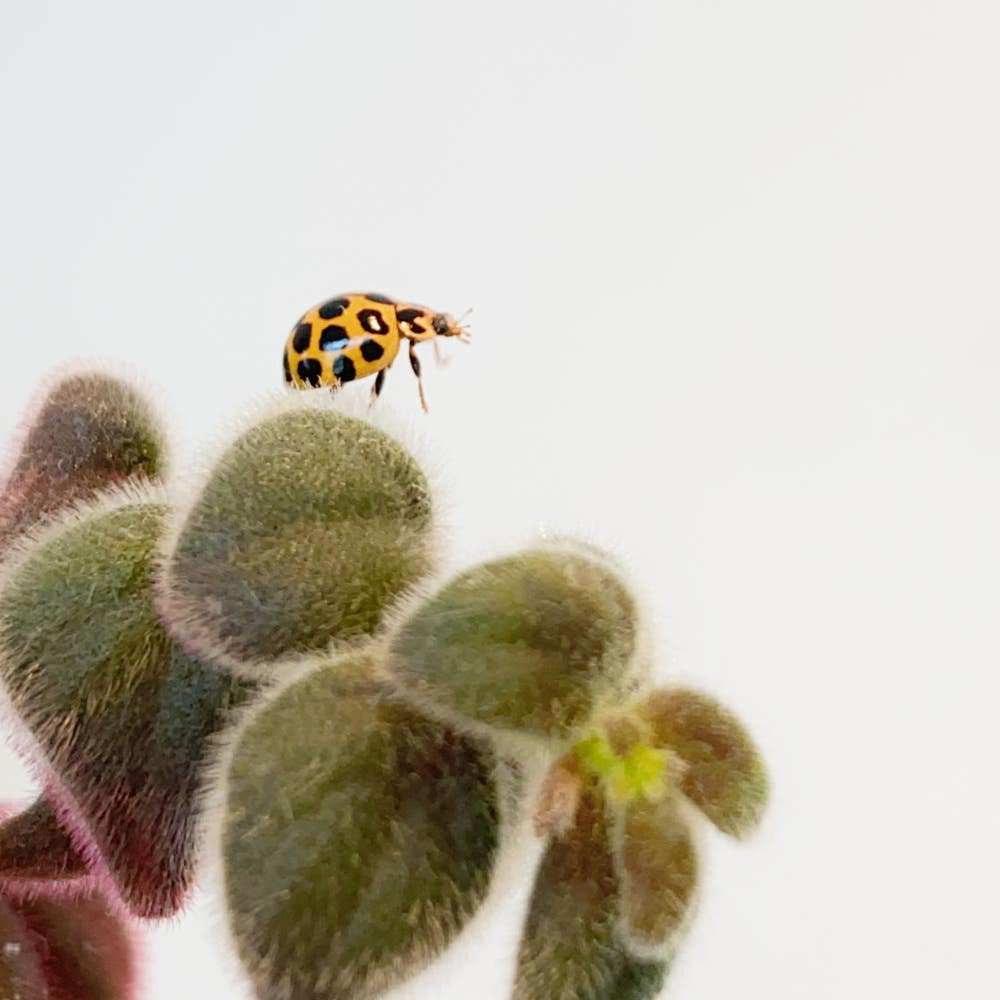
Indoor Goldfish Plants can attract pests like spider mites, aphids, and mealybugs. Regular inspections are crucial; catch these nuisances early to prevent infestations.
Using insecticidal soap is an effective prevention method. A proactive approach keeps your plant healthy and thriving.
🛠️ Troubleshooting Problems
Leaf Drop
Leaf drop can be alarming. It often results from overwatering or sudden temperature changes.
To remedy this, adjust your watering schedule. Stabilizing the temperature can also help your plant bounce back.
Discoloration
Discoloration, such as yellowing leaves, usually indicates nutrient deficiencies or poor light conditions.
Fertilizing appropriately and adjusting light exposure can resolve these issues. A little attention goes a long way in restoring your plant's vibrancy.
🌱 Tips for Maintaining Health
Regular pruning encourages bushier growth and keeps your Goldfish Plant looking its best.
Additionally, cleaning the leaves prevents dust buildup, enhancing photosynthesis and overall health.
By staying vigilant and attentive, you can ensure your Indoor Goldfish Plant remains a stunning addition to your space. Next, let’s explore the best soil and fertilization practices to keep your plant flourishing.
⚠️ Safety First
This content is for general information and may contain errors, omissions, or outdated details. It is not medical, veterinary advice, or an endorsement of therapeutic claims.
Always consult a qualified healthcare professional before using any plant as food, medicine, or supplement.
Never eat any plant (or feed one to pets) without confirming its identity with at least two trusted sources.
If you suspect poisoning, call Poison Control (800) 222-1222, the Pet Poison Helpline (800) 213-6680, or your local emergency service immediately.
Spotted an error? Please report it here.
Nurture your Goldfish Plant to bloom brilliantly 🌟 with Greg's tailored watering alerts and light tips that keep your indoor garden thriving!