Companion Planting 101: What to Plant with Goldfish Plant 🐟
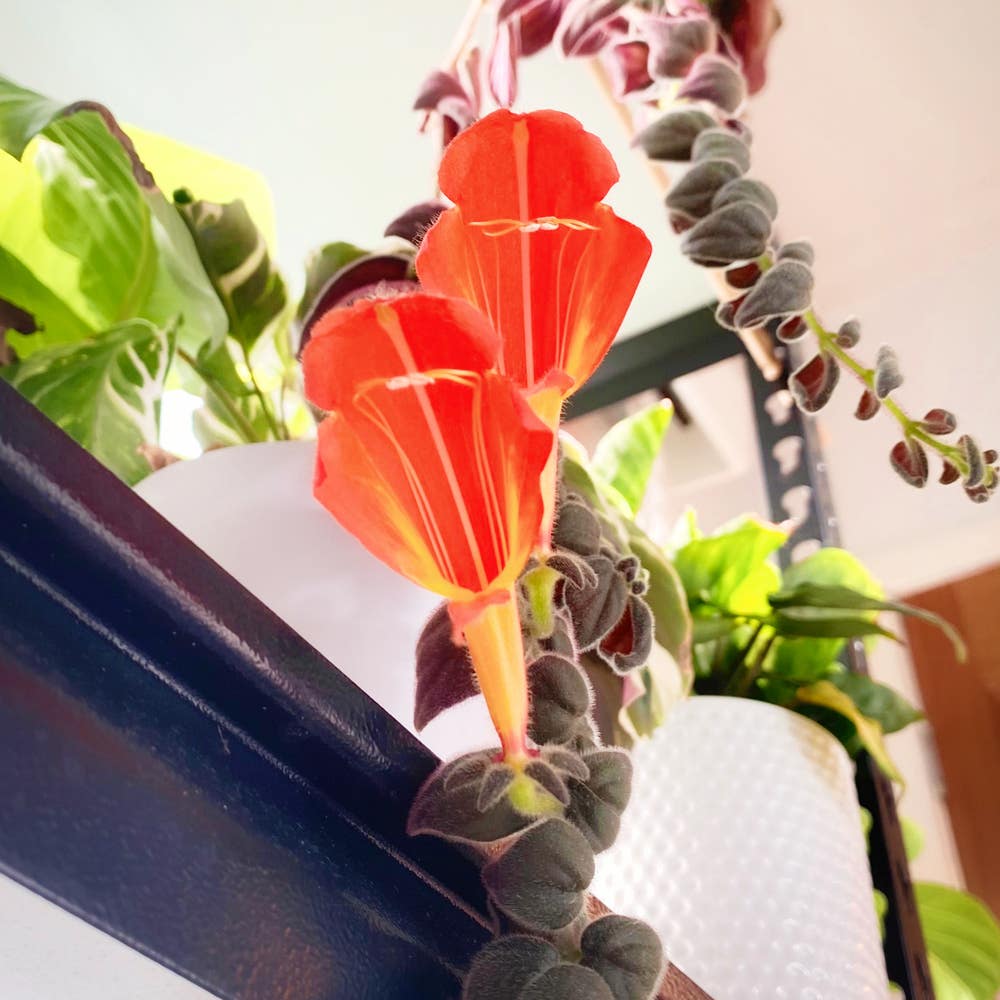
Columnea gloriosa
By the Greg Editorial Team
Sep 29, 2024•5 min read
This article was created with the help of AI so we can cover more plants for you. May contain errors. See one? Report it here.
Elevate your indoor garden's beauty and health with perfect companions for your Goldfish Plant! 🌿
- 🌱 Companion planting boosts health and beauty of your Goldfish Plant.
- 🌿 Rhipsalis and Pothos thrive together, enhancing growth and air quality.
- 🐛 Spider Plants repel pests, protecting your Goldfish Plant naturally.
Companion Plants for Goldfish Plant
🌱 Description of Suitable Companion Plants
Companion planting can elevate your Goldfish Plant's health and aesthetics. Here are five excellent companions that thrive alongside it.
🌵 Plant 1: Rhipsalis
Rhipsalis is a fantastic choice due to its similar care needs. It thrives in high humidity and indirect light, making it a perfect match for your Goldfish Plant.
Its cascading growth beautifully complements the hanging nature of the Goldfish Plant. This visual harmony creates an inviting indoor space.
🍃 Plant 2: Pothos
Pothos is not just easy to care for; it also purifies the air. This makes it a beneficial addition to shared spaces, enhancing your indoor environment.
With its vining nature, Pothos utilizes vertical space effectively. This growth habit allows for a dynamic arrangement alongside your Goldfish Plant.
🕷️ Plant 3: Spider Plant
The Spider Plant is known for its pest-repelling properties. It naturally deters common pests like aphids and spider mites, protecting your Goldfish Plant.
Additionally, its striking foliage adds texture and contrast. This visual appeal enhances the overall look of your indoor garden.
🌸 Plant 4: Peace Lily
Peace Lilies thrive in similar high humidity levels as Goldfish Plants. This compatibility creates a harmonious environment for both plants.
Moreover, their elegant blooms add a touch of sophistication. The flowering benefits of Peace Lilies bring visual interest to your plant arrangement.
🍂 Plant 5: Ferns
Ferns thrive in conditions similar to those preferred by Goldfish Plants. Their shared light and moisture needs promote healthy growth for both.
The lush green fronds of ferns provide a beautiful backdrop. This foliage contrast enhances the visual appeal of your indoor garden.
These companion plants not only support the health of your Goldfish Plant but also create a stunning display. Next, let’s explore which plants to avoid for optimal growth.
Plants to Avoid with Goldfish Plant
🚫 Description of Unsuitable Companion Plants
When considering companion plants for your Goldfish Plant, it's crucial to avoid those that don't share similar care requirements. Some plants can create more problems than they solve, leading to a less harmonious indoor garden.
🌵 Plant 1: Cacti
Cacti thrive in dry conditions, which directly conflicts with the Goldfish Plant's need for high humidity.
This mismatch can lead to watering conflicts, increasing the risk of overwatering your Goldfish Plant, which can be detrimental to its health.
🌿 Plant 2: Succulents
Succulents prefer bright light and dry soil, conditions that can harm your Goldfish Plant.
Additionally, they may compete for water and nutrients, potentially stunting the growth of your Goldfish Plant and creating an unhealthy environment.
By steering clear of these unsuitable companions, you can ensure a thriving and vibrant indoor garden. Next, let’s explore how companion planting can actually help manage pests effectively.
Pest Management through Companion Planting
🌱 How Companion Plants Can Deter Pests
Companion planting is a powerful strategy for natural pest management. By selecting the right plants, you can create an environment that disrupts pest life cycles and keeps your Goldfish Plant thriving.
Certain plants emit scents or release compounds that repel pests. This natural deterrence can significantly reduce the need for chemical interventions.
🛡️ Specific Pest-Repelling Properties of Chosen Companions
Rhipsalis is a fantastic companion for your Goldfish Plant. Its unique texture can deter specific pests, making it a protective ally in your indoor garden.
Spider Plant is another excellent choice. Known for its ability to repel common indoor pests, it helps maintain a healthy environment for your Goldfish Plant.
📋 Examples of Pest Management Strategies
To maximize pest management, plant pest-repelling companions close to your Goldfish Plant. This proximity enhances their protective effects.
Regular monitoring is crucial. Adjust plant placements based on observed pest activity to ensure your indoor garden remains pest-free and vibrant.
With these strategies, you can create a thriving, pest-resistant environment that benefits all your plants.
Visual Appeal and Aesthetic Considerations
Importance of Visual Harmony in Companion Planting 🌈
Creating a visually harmonious indoor garden is essential for enhancing your living space. Companion planting not only supports plant health but also elevates the overall aesthetic, making your home feel more inviting.
Color and Texture Combinations with Goldfish Plant 🎨
When selecting companion plants, consider color palettes that complement the vibrant orange and yellow hues of the Goldfish Plant. Pairing it with deep greens or soft whites can create a striking contrast that draws the eye.
Creating a Visually Appealing Indoor Garden 🌿
To maximize aesthetic impact, arrange your plants based on their heights and growth habits. Taller plants can serve as a backdrop, while trailing varieties can cascade beautifully, creating layers of interest.
Consider grouping plants with similar textures to enhance visual appeal. Mixing smooth leaves with feathery fronds can add depth and intrigue to your indoor garden.
By thoughtfully combining colors and textures, you can transform your space into a lush oasis that reflects your personal style. This attention to detail not only beautifies your environment but also fosters a sense of tranquility and joy.
⚠️ Safety First
This content is for general information and may contain errors, omissions, or outdated details. It is not medical, veterinary advice, or an endorsement of therapeutic claims.
Always consult a qualified healthcare professional before using any plant as food, medicine, or supplement.
Never eat any plant (or feed one to pets) without confirming its identity with at least two trusted sources.
If you suspect poisoning, call Poison Control (800) 222-1222, the Pet Poison Helpline (800) 213-6680, or your local emergency service immediately.
Spotted an error? Please report it here.
Transform your indoor garden into a pest-resistant paradise 🌼 with Greg's personalized care tips that ensure your Goldfish Plant thrives alongside its perfect companions!