🐟 Key Stages in the Life of a Goldfish Plant
Columnea gloriosa
By the Greg Editorial Team
Sep 29, 2024•6 min read
This article was created with the help of AI so we can cover more plants for you. May contain errors. See one? Report it here.
Discover how to cultivate a vibrant Goldfish Plant 🌱 through its captivating life cycle stages for stunning blooms!
- 🌱 Goldfish Plant germination takes 2-4 weeks; keep soil moist and warm.
- 🌞 Indirect sunlight is essential for seedlings to thrive and prevent overheating.
- 🌼 Flowering occurs 6-12 months post-planting, showcasing unique fish-shaped blooms.
Germination Stage
🌱 Duration of Germination
The germination period for a Goldfish Plant typically spans 2 to 4 weeks. This timeframe can vary based on several factors, including temperature, moisture levels, and the quality of the seeds.
🌡️ Conditions for Successful Germination
To ensure successful germination, maintain an optimal temperature between 70°F to 75°F (21°C to 24°C).
Soil Requirements
Use well-draining soil rich in organic matter. This provides the necessary nutrients for healthy growth.
Moisture Levels
Keep the soil consistently moist, but avoid waterlogging. Overly saturated soil can hinder seed development.
Light Exposure
Provide indirect sunlight to prevent overheating. Too much direct light can stress the young seeds, affecting their growth.
By carefully managing these conditions, you set the stage for a thriving Goldfish Plant. As the seeds germinate, they prepare to transition into the seedling stage, where their journey continues.
Seedling Stage
🌱 Characteristics of Seedlings
During the seedling stage, your goldfish plant showcases small, tender leaves that burst with vibrant green color. This initial growth is a sign of health and vitality, setting the foundation for future development.
The root system at this stage is shallow but rapidly expanding. This quick growth is crucial as it helps the plant establish itself in its environment.
⏳ Duration and Care During This Stage
Expect the seedling stage to last about 4-6 weeks. This is the time it takes for seedlings to become robust enough for transplanting.
To ensure healthy growth, keep the soil consistently moist but not soggy. Regularly check for adequate light exposure, as seedlings thrive best in indirect sunlight.
As you nurture your seedlings, remember that this stage is vital for their future success. With the right care, you’ll be well on your way to a flourishing goldfish plant.
Next, we’ll explore the vegetative growth stage, where your plant will really start to take off!
Vegetative Growth Stage
Growth Patterns and Changes 🌱
During the vegetative growth stage, your Goldfish Plant will undergo some exciting transformations. You'll notice larger, more robust leaves that boast a glossy texture, signaling that the plant is thriving.
This stage is characterized by a spreading growth habit. As the plant expands, it will need support for climbing, so be prepared to provide stakes or trellises to help it flourish.
Duration of Vegetative Growth ⏳
The vegetative growth phase typically lasts between 3 to 6 months. This duration can vary based on environmental conditions, such as light, temperature, and humidity.
Understanding these factors can help you optimize your plant's growth. By ensuring the right conditions, you can encourage a vibrant and healthy Goldfish Plant that will be ready for the next stages of its life cycle.
As your plant matures, you'll be eager to see it transition into the flowering stage, where even more beauty awaits.
Flowering Stage
Timing of Flowering 🌸
The flowering stage of a Goldfish Plant typically occurs 6 to 12 months after planting. Seasonal factors play a significant role, with warmer months being more conducive to blooming.
Characteristics of Flowers 🌼
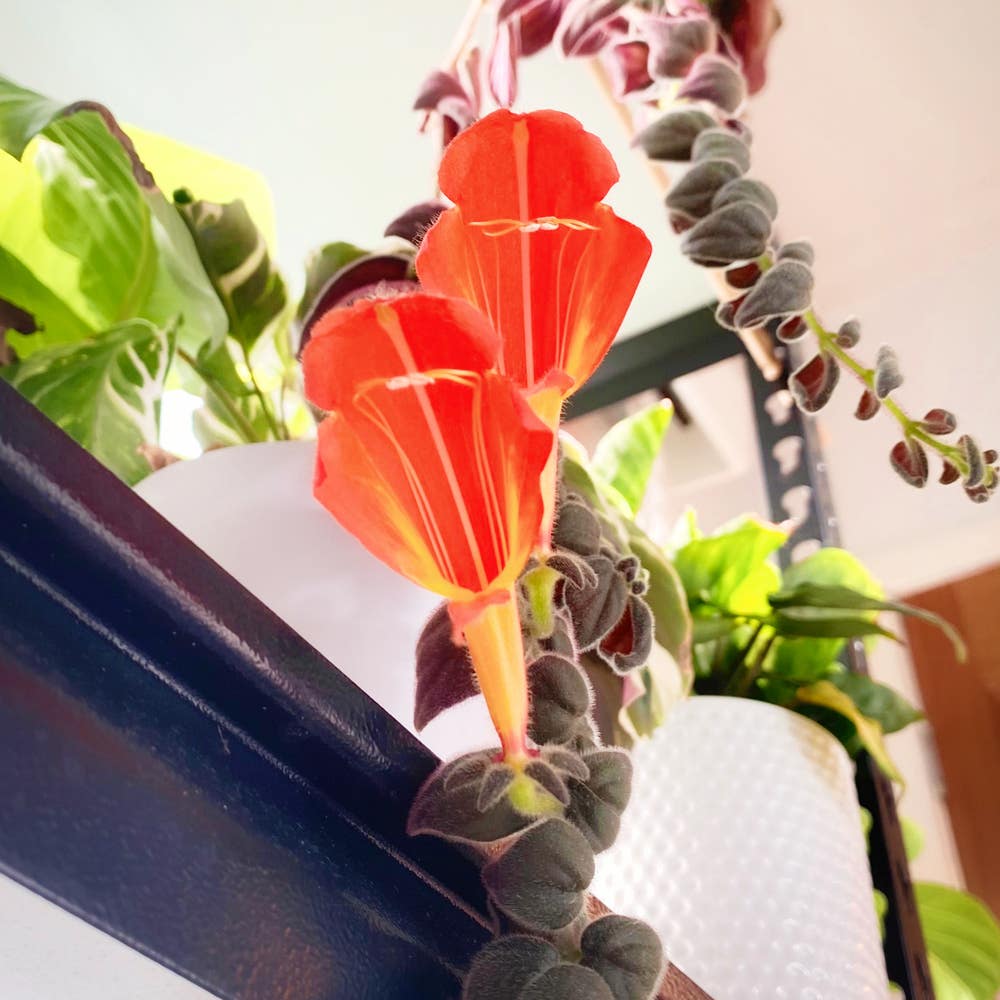
These plants produce unique, fish-shaped flowers that come in vibrant orange or yellow hues. Not only are they visually striking, but they also attract hummingbirds and other pollinators, making your garden a lively spot.
Each flower has a lifespan of about 1 to 2 weeks, adding a dynamic element to your plant care routine. As you nurture your Goldfish Plant, enjoy the brief but beautiful display of its blooms.
This stage is crucial for the plant's overall health and vitality, setting the stage for the next phase: seed production.
Seed Production Stage
Process of Seed Production 🌱
The seed production stage is a fascinating part of the goldfish plant's life cycle. Pollination plays a crucial role here, primarily facilitated by hummingbirds or through self-pollination.
Once pollination occurs, seed formation begins, typically within 2-3 weeks. This is when the magic of nature takes place, transforming flowers into seeds.
Duration and Conditions for Seed Production ⏳
The entire seed maturation process takes about 4-6 weeks. During this time, warm temperatures and adequate moisture are essential for successful seed development.
Maintaining these conditions ensures that the seeds are healthy and viable for the next generation. With the right care, your goldfish plant can thrive and continue its life cycle beautifully.
As we move forward, let’s explore how long it takes for the goldfish plant to reach full maturity and the factors that influence this timeline.
Growth Rate and Maturation
🕒 How Long Until Fully Grown?
Goldfish plants typically reach full maturity within 1 to 2 years. This timeframe can vary based on environmental conditions and the care practices you implement.
📅 Average Lifespan
Under optimal conditions, a goldfish plant can live for several years, generally between 3 to 5 years. Providing the right care can significantly enhance its longevity and vibrancy.
As you nurture your goldfish plant, remember that its growth rate and lifespan are influenced by factors like light, water, and nutrients. Keeping these elements in check will ensure your plant thrives throughout its life cycle.
Next, let's explore the notable changes that occur throughout the life cycle of a goldfish plant.
Notable Changes Throughout Life Cycle
🌱 Physical Changes at Each Stage
The life cycle of a Goldfish Plant is a fascinating journey marked by distinct physical transformations.
Germination: This stage kicks off with the emergence of the first leaves, signaling the plant's initial steps into the world.
Seedling: As it grows, the plant transitions from small, delicate leaves to larger, more mature foliage, showcasing its vitality.
Vegetative: During this phase, you'll notice the development of climbing habits and thicker stems, preparing the plant for its next adventure.
Flowering: Finally, the plant bursts into bloom, displaying its unique, vibrant flowers that capture attention and admiration.
🌿 Changes in Care Requirements as the Plant Matures
As your Goldfish Plant evolves, so do its care needs.
Watering Frequency: Adjust how often you water based on the growth stage and environmental conditions. Younger plants may need more frequent watering, while mature ones can tolerate drier spells.
Fertilization: During the flowering and seed production stages, ramp up the nutrient supply to support robust growth and vibrant blooms.
Light Exposure: Ensure your plant receives adequate light as it grows larger. This is crucial for maintaining its health and encouraging further growth.
Understanding these changes not only enhances your gardening skills but also deepens your connection with this unique plant. As you nurture it through its life stages, you'll witness the beauty of growth and transformation firsthand.
Next, let's explore the growth rate and maturation of the Goldfish Plant, including how long it takes to reach full maturity.
⚠️ Safety First
This content is for general information and may contain errors, omissions, or outdated details. It is not medical, veterinary advice, or an endorsement of therapeutic claims.
Always consult a qualified healthcare professional before using any plant as food, medicine, or supplement.
Never eat any plant (or feed one to pets) without confirming its identity with at least two trusted sources.
If you suspect poisoning, call Poison Control (800) 222-1222, the Pet Poison Helpline (800) 213-6680, or your local emergency service immediately.
Spotted an error? Please report it here.
Nurture your Goldfish Plant through every life stage 🌟 with Greg's customized care tips and watering reminders, ensuring vibrant growth from germination to stunning blooms!