🌸 3 Tips for Blooming Your Button Fern
Hemionitis rotundifolia
By the Greg Editorial Team
Oct 11, 2024•3 min read
This article was created with the help of AI so we can cover more plants for you. May contain errors. See one? Report it here.
- 🌿 Button Ferns don’t bloom; they thrive on lush foliage and unique spore reproduction.
- 💧 Ideal for humid spaces, Button Ferns flourish in bathrooms and kitchens.
- 🌱 Focus on vibrant leaves; their beauty lies in foliage, not flowers.
Flowering Status
Button Ferns are fascinating plants, but they come with a key characteristic: they don’t produce flowers. Instead, these non-flowering beauties are celebrated for their lush, vibrant foliage that brings life to any space.
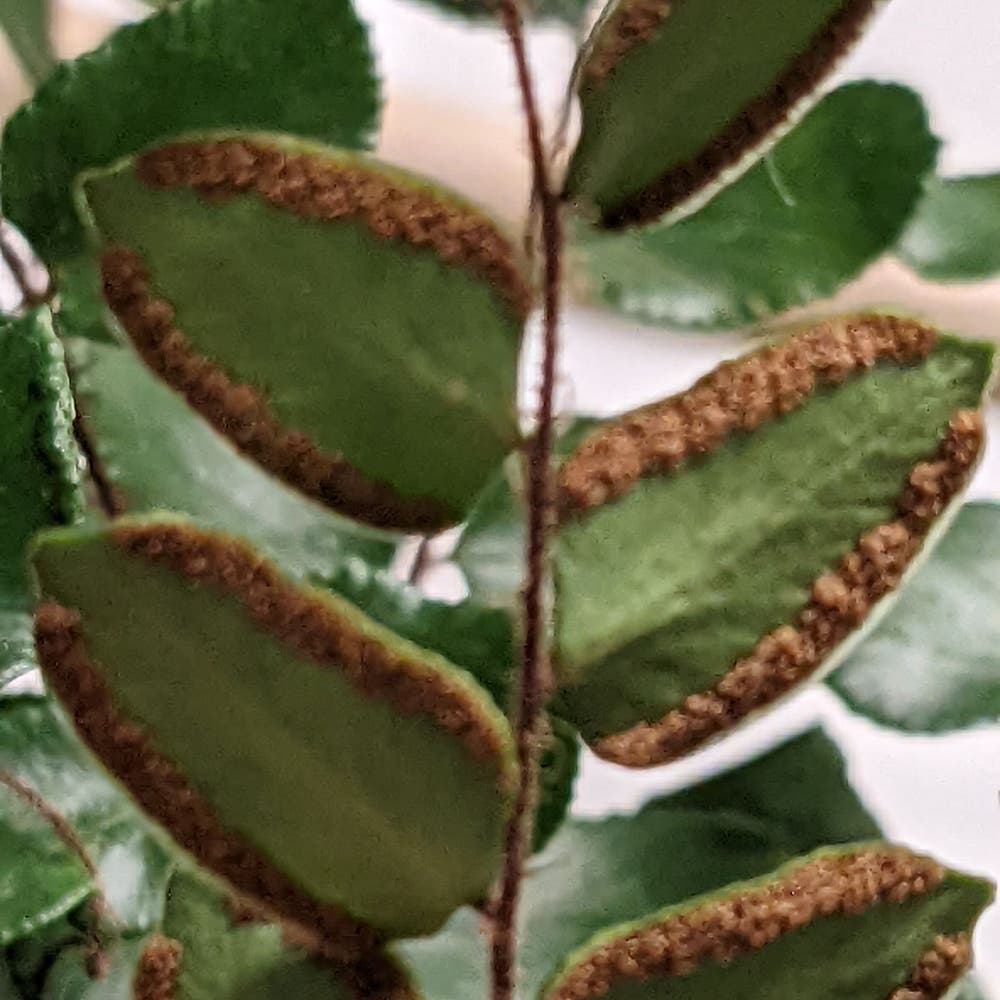
These ferns reproduce through spores, which are found on the undersides of their leaves. They thrive in humid environments, making them ideal for bathrooms or kitchens where moisture is abundant.
If Button Fern Does Flower
🌼 Flower Characteristics
Colors and Structure
Button Fern is primarily known for its lush foliage and does not produce traditional flowers. In rare conditions, it may develop flower spikes that are typically green or brownish, but these are not true flowers.
Pollination
Since Button Fern does not produce flowers, it is not self-pollinating. This means there’s no need for pollination processes typically associated with flowering plants.
🌸 Blooming Process
Stages and Timing
The blooming process for Button Fern is essentially nonexistent. There are no stages or timing to consider, as this plant does not bloom.
Duration
Without any bud formation or blooming, there’s no duration to discuss. The Button Fern focuses on its vibrant leaves rather than flowering.
🌿 Encouraging Blooms
Tips and Factors
Since Button Fern does not bloom, there are no tips or factors to encourage flowering. Instead, care should focus on maintaining its lush foliage.
🌱 Post-Flowering
Aftermath
There is no post-flowering phase for Button Fern. The plant thrives on its unique reproductive strategy through spores rather than flowers.
This section highlights the unique characteristics of the Button Fern, emphasizing its non-flowering nature. Next, we’ll explore what makes this plant a stunning ornamental choice for your space.
If Button Fern Doesn't Flower
Primary Ornamental Features 🌿
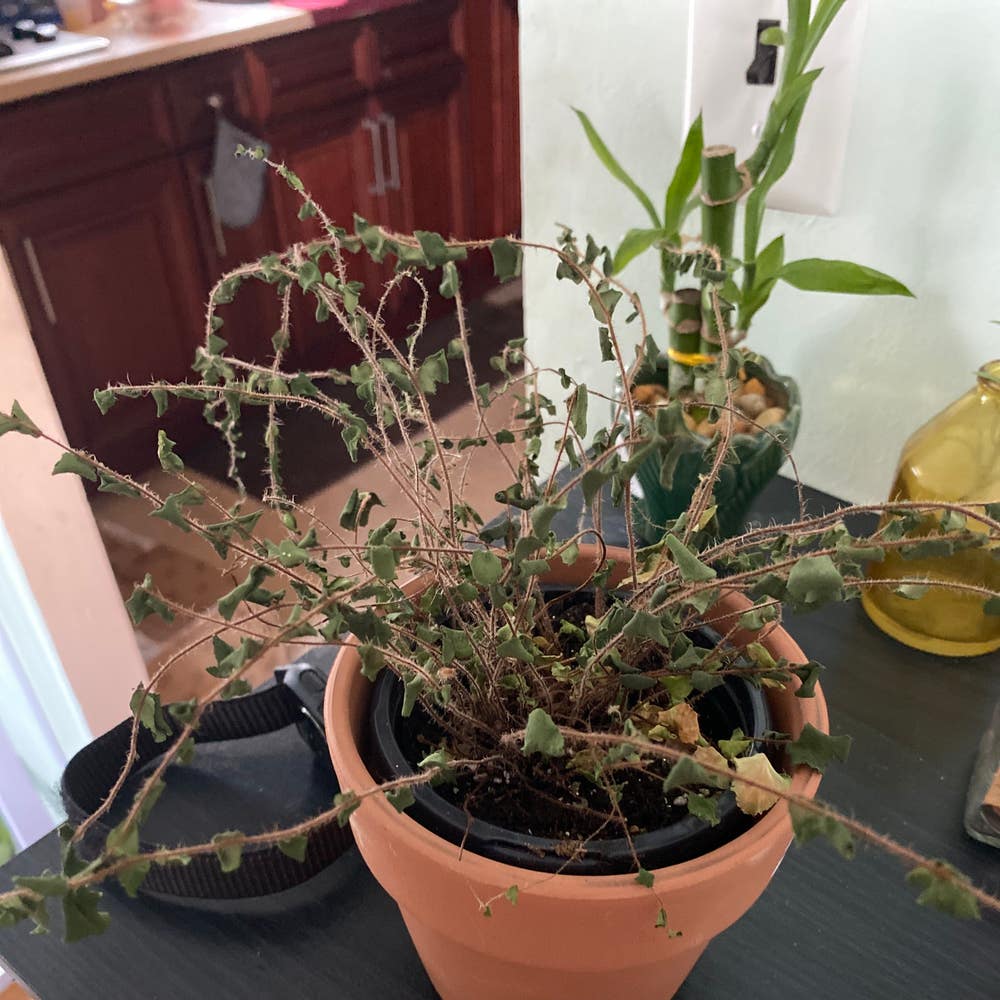
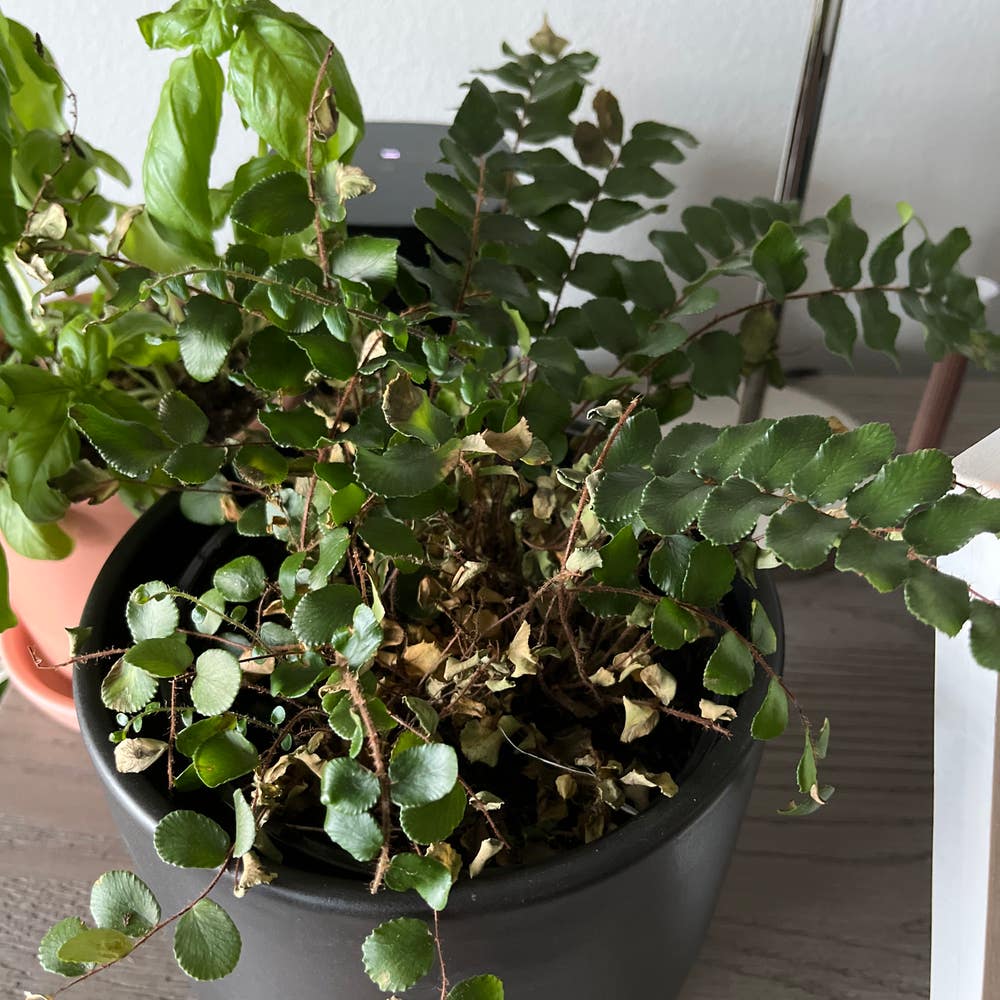
The Button Fern is celebrated for its lush, round leaflets that resemble buttons, creating a vibrant green display. This makes it an ideal choice for indoor spaces and shaded outdoor areas, where its unique foliage can truly shine.
Reproduction Methods 🌱
Instead of flowering, the Button Fern reproduces through spores. These spores are produced on the undersides of its leaves, allowing the plant to thrive in humid environments where flowering plants might struggle.
The Button Fern's unique reproductive strategy showcases its adaptability and resilience. This fascinating approach to reproduction ensures that it continues to flourish in various conditions, making it a remarkable addition to any plant collection.
Unique Aspects
Characteristics 🌱
The Button Fern boasts a unique life cycle centered around spore production. Unlike many plants, it doesn't rely on flowers for reproduction, making it a fascinating specimen in the plant world.
Interesting Facts 🤓
Did you know that the Button Fern's spore production enables it to thrive in environments where flowering plants often struggle? This adaptability showcases its resilience and makes it a great choice for those looking to add greenery to humid spaces.
In summary, the Button Fern's distinctive reproductive strategy and ability to flourish in challenging conditions highlight its charm. As we explore more about this plant, you'll discover how to care for it effectively and appreciate its lush beauty.
⚠️ Safety First
This content is for general information and may contain errors, omissions, or outdated details. It is not medical, veterinary advice, or an endorsement of therapeutic claims.
Always consult a qualified healthcare professional before using any plant as food, medicine, or supplement.
Never eat any plant (or feed one to pets) without confirming its identity with at least two trusted sources.
If you suspect poisoning, call Poison Control (800) 222-1222, the Pet Poison Helpline (800) 213-6680, or your local emergency service immediately.
Spotted an error? Please report it here.
Embrace the beauty of your Button Fern's lush foliage 🌱 and let Greg guide you with tailored care tips to keep it thriving in its perfect humid environment!