🌳 Why Bald Cypress Is A Perennial Plant
Taxodium distichum
By the Greg Editorial Team
Sep 30, 2024•5 min read
This article was created with the help of AI so we can cover more plants for you. May contain errors. See one? Report it here.
- 🌳 Bald cypress is a perennial, thriving for over 1,000 years with annual regrowth.
- 🌱 Seasonal growth patterns include dormancy in winter and active growth in spring/summer.
- 🌍 Adaptable to various climates, bald cypress enhances soil structure and drought tolerance.
Characteristics of Bald Cypress as a Perennial
🌱 Definition of Perennial Plants
Perennial plants are remarkable for their longevity. They live for more than two years, regrowing from the same root system each year.
These plants also exhibit seasonal growth and dormancy cycles, adapting to changing environmental conditions. This resilience allows them to thrive in various climates.
📅 Multi-Year Lifecycle and Growth Patterns
Bald cypress trees can live for over 1,000 years, showcasing their impressive lifespan. Their growth unfolds in distinct stages, starting with seed germination and establishment.
As they mature, these trees enter a phase of reproduction, contributing to their species' continuity. In their early years, bald cypress trees experience rapid growth, which gradually slows as they age.
Over decades, they achieve notable increases in both height and width. This growth pattern not only enhances their beauty but also solidifies their role in the ecosystem.
Understanding these characteristics helps gardeners appreciate the value of incorporating bald cypress into their landscapes. The tree's perennial nature offers stability and longevity, making it a wise choice for long-term garden planning.
As we delve deeper into the dormancy and seasonal changes of bald cypress, we’ll uncover how these cycles further enhance its resilience and adaptability.
Dormancy and Seasonal Changes
🌨️ Explanation of Dormancy Periods
During the cold months, bald cypress undergoes significant physiological changes. These adaptations help the plant conserve energy and survive harsh conditions.
To prepare for dormancy, the tree slows its metabolic processes. This energy conservation strategy is crucial for enduring winter's challenges.
🌱 Seasonal Changes
🌼 Spring Awakening
As temperatures rise, bald cypress springs back to life. Growth resumes, and new leaves emerge, signaling the end of dormancy.
☀️ Summer Growth
Summer is a vibrant time for bald cypress. The tree engages in active photosynthesis, absorbing sunlight and nutrients to fuel its growth.
🍂 Autumn Preparation
In autumn, the tree begins to store nutrients in its roots. This preparation is vital for sustaining the plant through the winter dormancy period.
Understanding these seasonal changes helps gardeners appreciate the resilience of bald cypress. This knowledge can guide effective planting and care strategies, ensuring a thriving landscape.
Advantages of Perennial Nature
🌱 Benefits for Gardeners
Bald cypress offers significant advantages for gardeners, primarily through reduced replanting needs. This characteristic transforms your garden into a long-term investment, allowing for a stable and cohesive landscape design.
With its perennial nature, the cypress contributes to a consistent aesthetic throughout the seasons. You won't have to worry about frequent changes in your garden's appearance, making it a reliable choice for lasting beauty.
🌳 Established Root Systems
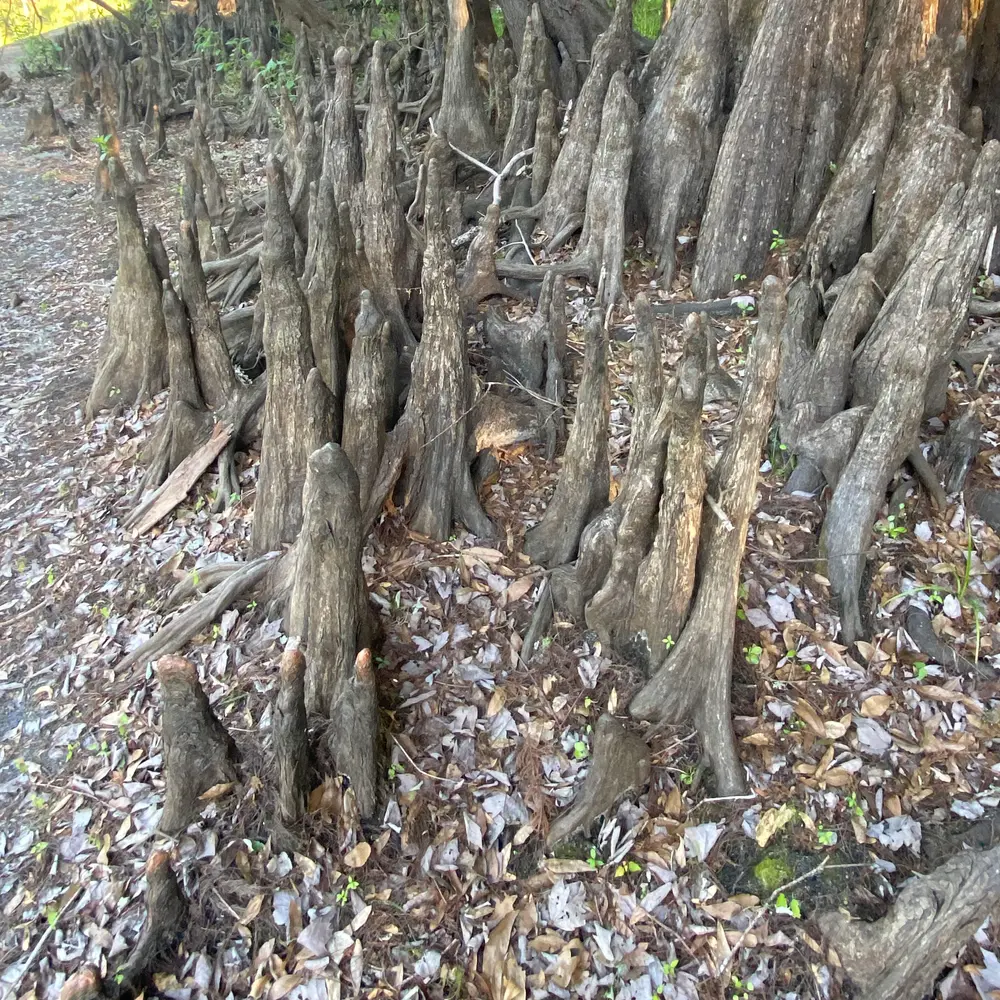
One of the standout features of bald cypress is its established root system. These deep roots enhance the tree's resilience, providing better drought tolerance compared to many other plants.
Moreover, the root systems improve soil structure and health over time. As the cypress grows, it contributes to a more robust ecosystem, benefiting not just itself but also the surrounding flora and fauna.
Incorporating bald cypress into your garden planning can yield both aesthetic and ecological benefits. As we explore the lifespan and longevity factors of this remarkable tree, you'll see how its enduring nature can further enrich your landscape.
Lifespan and Longevity Factors
Expected Lifespan of Bald Cypress 🌳
Bald cypress trees are remarkable for their longevity. They can live for hundreds of years, with some extraordinary specimens exceeding 1,000 years.
This impressive lifespan makes them a valuable addition to any landscape, providing beauty and stability for generations.
Factors Influencing Longevity ⏳
Several factors play a crucial role in determining the lifespan of bald cypress.
Environmental Conditions
Soil quality, moisture levels, and climate significantly impact their health. Trees planted in nutrient-rich, well-drained soils tend to thrive longer.
Maintenance Practices
Proper care is essential for enhancing their lifespan. Regular monitoring and appropriate maintenance can keep these trees healthy and vibrant throughout their long lives.
Understanding these factors can help you cultivate a thriving bald cypress that stands the test of time. As we explore the next section, we'll delve into how climate zone variations affect the growth and behavior of this resilient tree.
Climate Zone Variations
🌍 Variations in Perennial Behavior Across Climate Zones
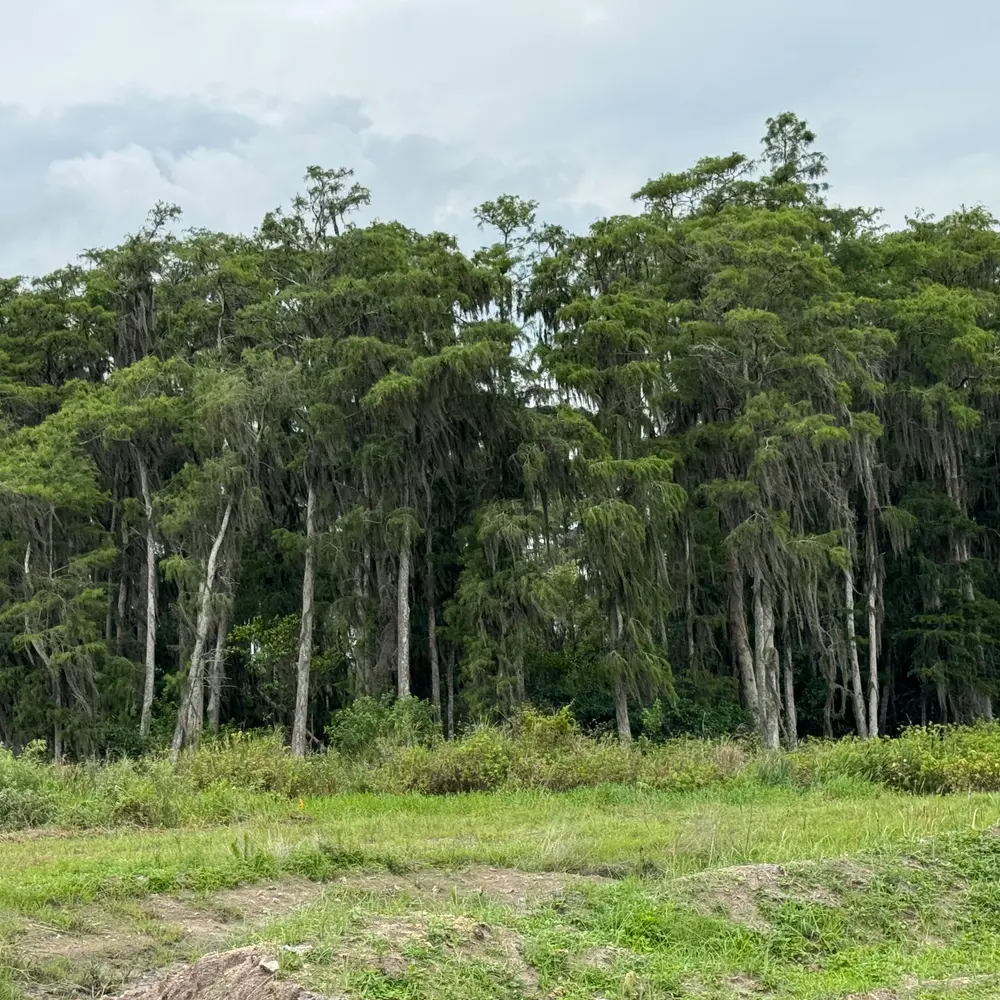
Bald Cypress is remarkably adaptable, thriving across USDA zones 4 to 10. This versatility allows it to flourish in a variety of environments, from lush wetlands to drier landscapes.
In wetland conditions, Bald Cypress can establish itself in waterlogged soils, showcasing its resilience. Conversely, in drier areas, it still manages to grow, albeit with some adjustments to its water needs.
🌱 Impact of Growing Conditions on Bald Cypress
Soil type and moisture play crucial roles in the health of Bald Cypress. It prefers moist, well-drained soils, which support its extensive root system and overall vitality.
Temperature extremes also influence its growth patterns. In colder climates, growth may slow significantly, while hotter regions can lead to accelerated growth, showcasing the tree's remarkable adaptability to varying conditions.
Understanding these climate zone variations is essential for anyone looking to incorporate Bald Cypress into their landscape. By recognizing its preferences and adaptability, you can ensure a thriving environment for this stunning perennial.
As we explore the advantages of Bald Cypress's perennial nature, consider how these factors can enhance your garden planning.
Tips for Maximizing the Benefits of Bald Cypress's Perennial Nature in Garden Planning
🌳 Garden Planning Strategies
Incorporating Bald Cypress into your landscape design can be a game-changer. Position these trees where they can soak up optimal sunlight and moisture, ensuring they thrive.
📅 Long-Term Cultivation Practices
Regular monitoring is key to maintaining the health of your Bald Cypress. Keep an eye on growth patterns and address any issues promptly to promote longevity.
🌱 Utilizing Established Root Systems
The deep root systems of Bald Cypress enhance soil health and stability in garden beds. This resilience not only supports the tree but also benefits surrounding plants.
By strategically planning your garden with Bald Cypress, you can create a vibrant, sustainable landscape that flourishes year after year. Embrace the perennial nature of this remarkable tree to enjoy its beauty and benefits for generations to come.
⚠️ Safety First
This content is for general information and may contain errors, omissions, or outdated details. It is not medical, veterinary advice, or an endorsement of therapeutic claims.
Always consult a qualified healthcare professional before using any plant as food, medicine, or supplement.
Never eat any plant (or feed one to pets) without confirming its identity with at least two trusted sources.
If you suspect poisoning, call Poison Control (800) 222-1222, the Pet Poison Helpline (800) 213-6680, or your local emergency service immediately.
Spotted an error? Please report it here.
Celebrate the timeless beauty of bald cypress 🌲 by using Greg's tailored care reminders to help your tree thrive for generations to come!