💧 4 Tips for Healthy Bald Cypress Roots
Taxodium distichum
By the Greg Editorial Team
Sep 30, 2024•5 min read
This article was created with the help of AI so we can cover more plants for you. May contain errors. See one? Report it here.
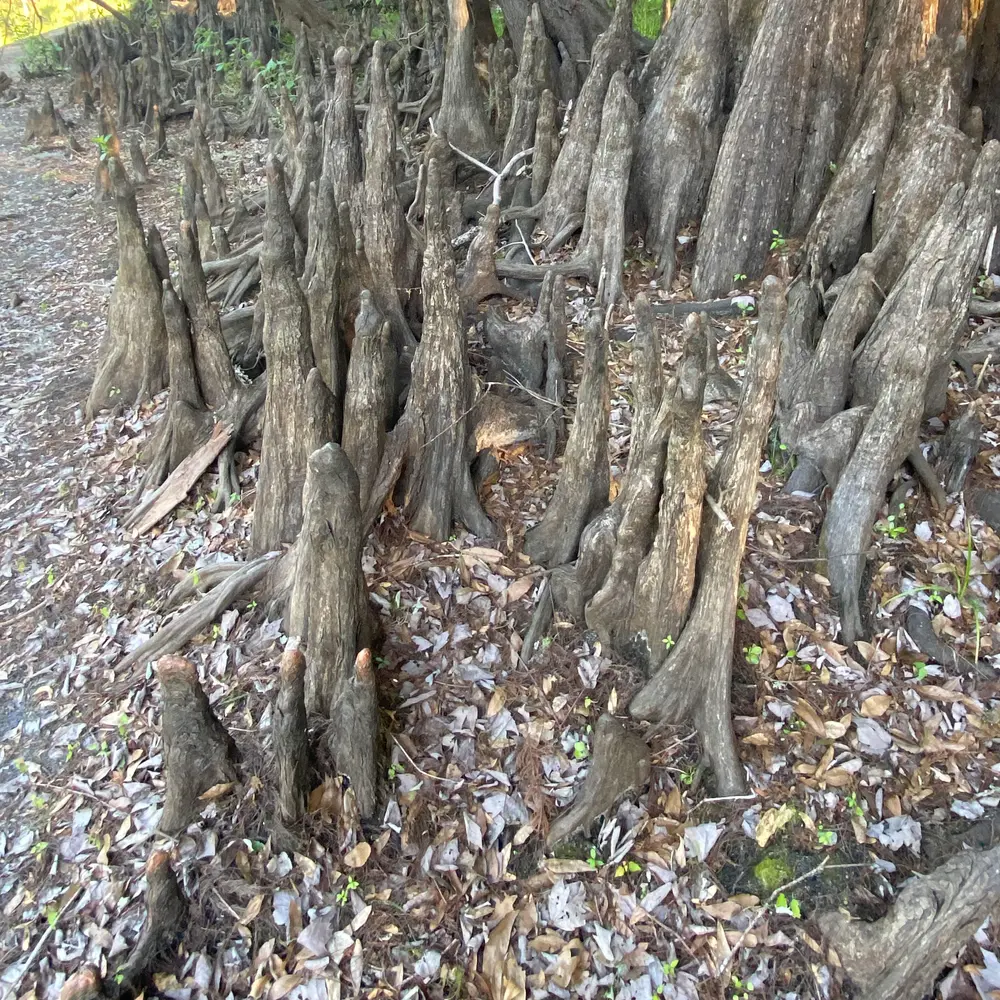
- 🌳 Bald Cypress roots include taproots for stability and fibrous roots for nutrients.
- 💧 Consistent moisture is key; avoid overwatering and underwatering for healthy roots.
- 🌱 Healthy roots are firm and bright; monitor for signs of rot or stress.
Root System Characteristics
Type of Root System 🌳
Bald Cypress trees exhibit two main types of root systems: taproots and fibrous roots.
Taproots are characterized by a single, thick primary root that grows deep into the soil. This type provides stability and access to deeper moisture, making it essential for survival in varying conditions.
Fibrous roots, on the other hand, consist of many thin roots that spread out near the surface. This network effectively absorbs nutrients and moisture from a broader area, which is particularly beneficial in wetland habitats.
Both root types offer unique advantages for Bald Cypress. The taproot anchors the tree firmly, while the fibrous roots enhance nutrient uptake, ensuring the tree thrives in diverse environments.
Root Depth and Spread 📏
In well-drained soils, Bald Cypress roots typically reach depths of 3 to 5 feet. This depth allows the tree to access moisture and nutrients effectively.
The root spread can extend up to 30 feet wide, creating a robust network that supports the tree's stability.
Bald Cypress trees have adapted their growth patterns to cope with environmental challenges. They can thrive in both flooding and drought conditions, showcasing their resilience and versatility. This adaptability is crucial for their survival in varying climates and soil types.
Understanding these root system characteristics is vital for anyone looking to cultivate a healthy Bald Cypress. Proper care and awareness of their unique needs can lead to a thriving tree that stands the test of time.
Next, we’ll explore the essential aspects of watering, fertilizing, and transplanting to ensure your Bald Cypress remains healthy and vibrant.
Watering, Fertilizing, and Transplanting
Watering Needs 🌊
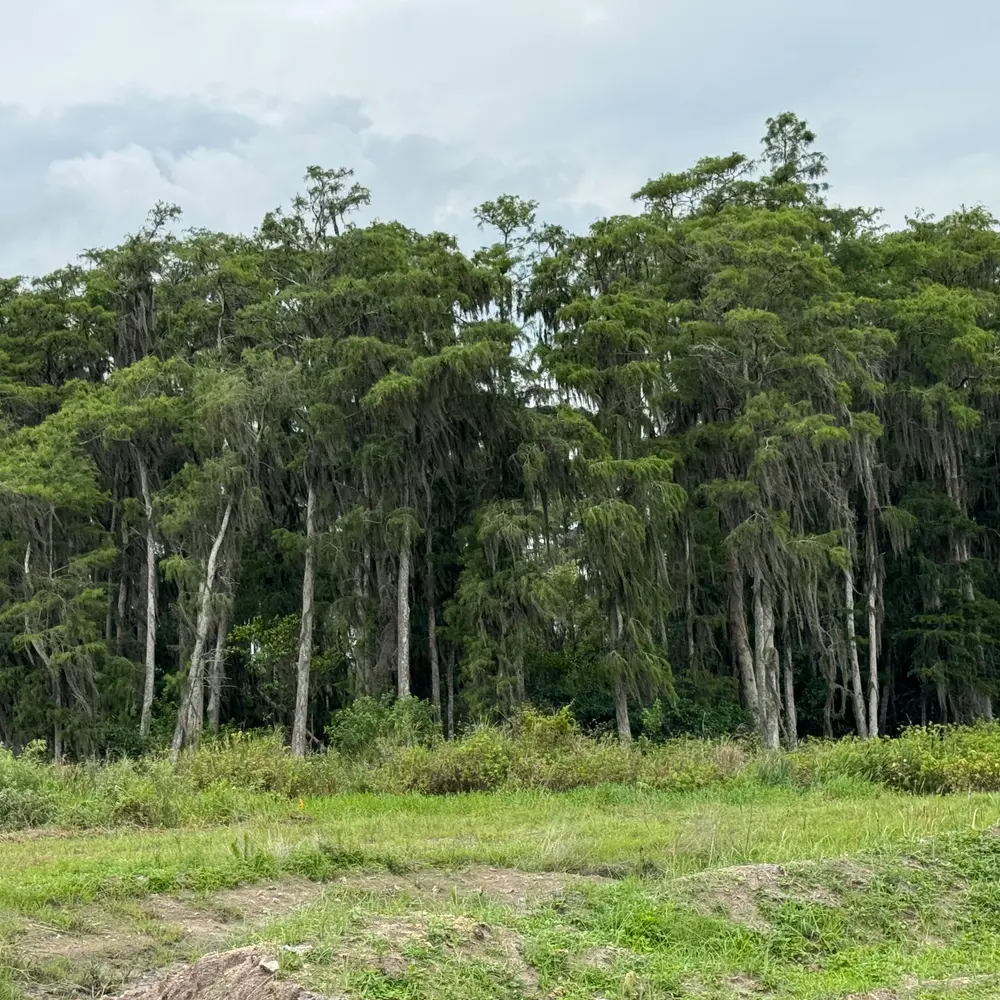
Bald Cypress trees thrive in wetland habitats, requiring consistent moisture to support their unique root structure. It's essential to monitor water levels, as both overwatering and underwatering can lead to significant issues.
Signs of overwatering include yellowing leaves and root rot, while underwatering may manifest as wilting and browning foliage. Keeping a close eye on these indicators can help maintain a healthy balance.
Fertilization Techniques 🌱
When it comes to fertilizing Bald Cypress, choosing the right NPK ratio is crucial for optimal root development. A balanced fertilizer with an NPK ratio of 10-10-10 or similar can work wonders.
Timing is key; fertilize in early spring and again in late summer for the best results. Consider the pros and cons of organic versus synthetic fertilizers, as organic options can improve soil health while synthetic ones often provide quicker results.
Transplanting Best Practices 🌳
Transplanting Bald Cypress requires careful planning. The best seasons for this task are early spring or fall when the tree is dormant, minimizing stress.
Preparation is vital; amend the soil with organic matter and select a site that offers adequate drainage. Always prioritize preserving the root structure during transplanting to ensure the tree's successful establishment in its new home.
By following these watering, fertilizing, and transplanting guidelines, you can foster a thriving Bald Cypress that stands resilient against environmental challenges. Next, let’s explore common root-related issues that may arise and how to tackle them effectively.
Common Root-Related Issues
Identifying and Solving Root Rot 🌱
Root rot is a serious concern for Bald Cypress trees. Symptoms include wilting, yellowing leaves, and mushy roots, which indicate that the plant is struggling.
To prevent root rot, ensure proper drainage and soil aeration. This helps maintain the right moisture levels and keeps roots healthy.
Recognizing Rootbound Conditions 🪴
Rootbound plants occur when roots grow too densely within their container. This can lead to stunted growth and poor water absorption.
Signs of rootbound conditions include root circling and a noticeable lack of vigor. If you notice these symptoms, it’s time to take action.
Solutions for Rootbound Plants 🔄
Repotting is the most effective solution for rootbound plants. Choose a larger pot and gently loosen the roots before placing them in fresh soil.
Timing is crucial; early spring is the best season for repotting. This allows the plant to establish itself before the growing season kicks in.
By addressing these common root-related issues, you can ensure your Bald Cypress thrives. Healthy roots lead to a robust plant, ready to face environmental challenges.
Indicators of Root Health
👀 Visual Cues for Healthy vs. Unhealthy Roots
Healthy Bald Cypress roots exhibit a firm texture, a bright white color, and a branching structure. These characteristics indicate that the roots are thriving and effectively supporting the plant.
In contrast, unhealthy roots show signs of distress. Look for dark, mushy, or foul-smelling roots, which can signal serious issues like root rot.
📊 Other Indicators of Root System Health
Beyond root appearance, overall plant vigor is a key indicator of root health. A robust plant typically displays strong growth patterns, indicating that the roots are functioning well.
Leaf color and size also provide insights into root system health. Vibrant, lush leaves suggest healthy roots, while yellowing or stunted leaves may indicate underlying root problems.
Understanding these indicators can help you maintain a thriving Bald Cypress. By regularly checking both roots and foliage, you can ensure your plant remains healthy and resilient.
Overall Plant Health and Resilience
🌱 Role of Roots in Growth and Stress Resilience
Healthy roots are the backbone of a thriving Bald Cypress. They not only anchor the plant but also absorb essential nutrients and water, directly influencing overall vitality.
When faced with stressors like drought, pests, or disease, robust root systems adapt effectively. They can store moisture and nutrients, helping the plant endure challenging conditions.
🌿 Importance of Root System in Propagation
Successful propagation hinges on the health of the root system. Techniques like cuttings and divisions require strong roots to ensure new plants thrive.
Timing is crucial for propagation. Early spring or late summer is ideal, allowing for optimal growth and care for newly propagated plants. Proper attention to root health during this phase sets the stage for future success.
In summary, nurturing the root system is vital for both resilience and propagation. A healthy root structure not only supports the plant's growth but also enhances its ability to withstand environmental challenges.
⚠️ Safety First
This content is for general information and may contain errors, omissions, or outdated details. It is not medical, veterinary advice, or an endorsement of therapeutic claims.
Always consult a qualified healthcare professional before using any plant as food, medicine, or supplement.
Never eat any plant (or feed one to pets) without confirming its identity with at least two trusted sources.
If you suspect poisoning, call Poison Control (800) 222-1222, the Pet Poison Helpline (800) 213-6680, or your local emergency service immediately.
Spotted an error? Please report it here.
Nurture your Bald Cypress roots for ultimate resilience 🌱 with Greg's tailored care reminders and expert tips that keep your tree thriving!