What Does It Mean When Bald Cypress Blooms?
Taxodium distichum
By the Greg Editorial Team
Jun 18, 2024•3 min read
This article was created with the help of AI so we can cover more plants for you. May contain errors. See one? Report it here.
- 🌳 Bald Cypress blooms in winter, with maturity taking decades.
- ☀️💧 Full sun, consistent moisture, and balanced nutrients are key for blooms.
- ✂️ Prune wisely to encourage flower production over leaves.
When Do Bald Cypress Trees Show Off Their Blooms?
🌸 Blooming Season
Bald Cypress trees don't rush their show. They drop their leaves in fall and gear up for a winter bloom. December and January are when the tiny buds make an appearance, with pollen release in early spring. It's a slow dance, not a pop concert.
🕰 Age and Maturity
Patience is key with these ancient beings. While they grow 1-2 feet annually, don't expect youthful exuberance in bloom. Maturity matters; it can take decades before they're ready to strut their stuff. Once they start, though, it's a centuries-long performance.
The Recipe for a Blooming Bald Cypress
🌞 Sunlight and Temperature
Bald Cypress trees are sun worshippers, requiring full sun to partial shade to flourish. They thrive in USDA zones 4-9, withstanding chilly temperatures down to -20°F. To trigger blooming, ensure they bask in ample sunlight, mimicking their natural swampy southern habitats.
💧 Water Wonders
These trees are not drought-tolerant; consistent moisture is key to their blooming success. They naturally grow in wet conditions, so emulate this environment by keeping the soil evenly moist but not waterlogged.
🍽️ Nutrient Know-How
Fertilize smartly; Bald Cypress trees are heavy feeders. Use a balanced fertilizer that's not too high in nitrogen to avoid promoting leaf growth at the expense of blooms. Instead, ensure phosphorus and potassium levels are sufficient to support flowering and overall health.
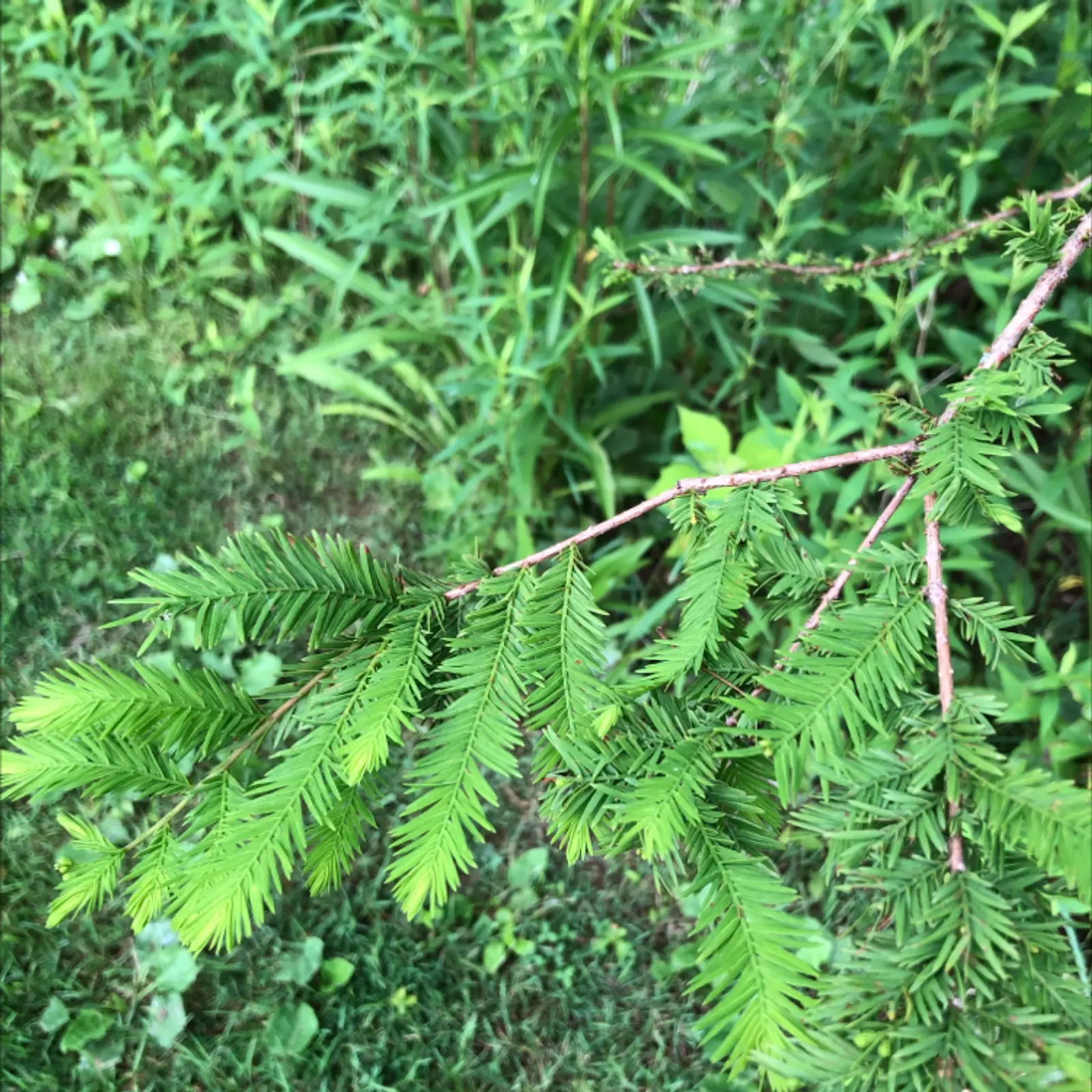
Pruning: A Snip in Time Leads to Blooming
🌱 Pruning for Potential
Pruning isn't just a trim; it's a strategic nudge for your Bald Cypress to redirect energy from leaf-making to flower production. Snip away dead or damaged material to prevent disease and encourage the tree to focus on blooming. It's a careful balance—too much, and you risk a bloom bust; too little, and your tree may grow wild and untamed.
🕰 Timing Your Trims
Timing is crucial when it comes to pruning. Aim for the period after the Bald Cypress has finished flowering to avoid cutting off future blooms. This is typically late summer or early fall. Use sharp, clean tools for healthier cuts, and always prune right above a node to encourage new growth. Strategic thinning enhances flowering potential by boosting air circulation and light exposure—think of it as giving your tree VIP tickets to the flower show.

Troubleshooting: When Blooms Are Bashful
🛠️ Overcoming Obstacles
Identifying common bloom inhibitors is crucial when your Bald Cypress seems reluctant to flower. Overwatering can lead to root rot, while underwatering leaves the tree too dry to support blooms. Light is equally important; too little and your tree won't have the energy to produce flowers, too much and you risk leaf burn. Pests like aphids and spider mites can also divert resources away from flowering. Regular checks and prompt treatment are essential.
🌱 Environmental Stress and Recovery
Environmental stress factors like sudden temperature changes or poor soil conditions can prevent your Bald Cypress from blooming. Adapt your care to mitigate these issues: ensure the soil is well-draining yet moist, protect the tree from extreme weather, and use filtered or rainwater to avoid mineral buildup. Nutrient balance is key; a phosphorus-rich fertilizer can encourage blooms, but over-fertilization can harm more than help. If pruning, do so with intention, as excessive cutting can hinder bloom production. Patience and observation will guide you to revive the blooming spirit of your Bald Cypress.
⚠️ Safety First
This content is for general information and may contain errors, omissions, or outdated details. It is not medical, veterinary advice, or an endorsement of therapeutic claims.
Always consult a qualified healthcare professional before using any plant as food, medicine, or supplement.
Never eat any plant (or feed one to pets) without confirming its identity with at least two trusted sources.
If you suspect poisoning, call Poison Control (800) 222-1222, the Pet Poison Helpline (800) 213-6680, or your local emergency service immediately.
Spotted an error? Please report it here.
Ensure your Bald Cypress thrives 🌿 with Greg's tailored reminders for the perfect watering and pruning schedule, leading to decades of spectacular blooms!