🌸 Zygopetalum Is a Garden Plant, Not a Weed
Zygopetalum spp.
By the Greg Editorial Team
Nov 23, 2024•6 min read
This article was created with the help of AI so we can cover more plants for you. May contain errors. See one? Report it here.
- 🌸 Zygopetalum enhances garden aesthetics without being invasive or overwhelming other plants.
- 🌱 This orchid thrives in well-drained soils with moderate humidity and indirect light.
- 🐝 Zygopetalum attracts pollinators, supporting a thriving garden ecosystem and biodiversity.
Plant Classification
Definition of Invasive Species 🌱
Invasive species are plants that exhibit certain characteristics, making them problematic in new environments. They typically show rapid growth and spread, displacing native flora and negatively impacting local ecosystems.
These plants can outcompete native species for resources, leading to a decline in biodiversity. Their aggressive nature can disrupt the balance of local habitats, making it crucial to identify and manage them effectively.
Why Zygopetalum is Not Invasive 🌼
Zygopetalum, on the other hand, has growth habits that set it apart from invasive species. It features a slow to moderate growth rate, which means it doesn't overwhelm its surroundings.
Additionally, Zygopetalum has limited spread potential due to its specific habitat requirements. It thrives in well-drained, organic-rich soils and prefers moderate humidity and indirect light, which restricts its ability to dominate diverse ecosystems.
This non-invasive nature makes Zygopetalum an excellent choice for gardeners looking to enhance their spaces without the worry of it becoming a nuisance. By understanding its growth patterns and environmental needs, you can appreciate how this beautiful orchid contributes positively to your garden.
As we explore its growth habits next, you'll see how Zygopetalum fits seamlessly into garden designs without overwhelming other plants.
Growth Habits
Typical Growth Patterns in Gardens 🌱
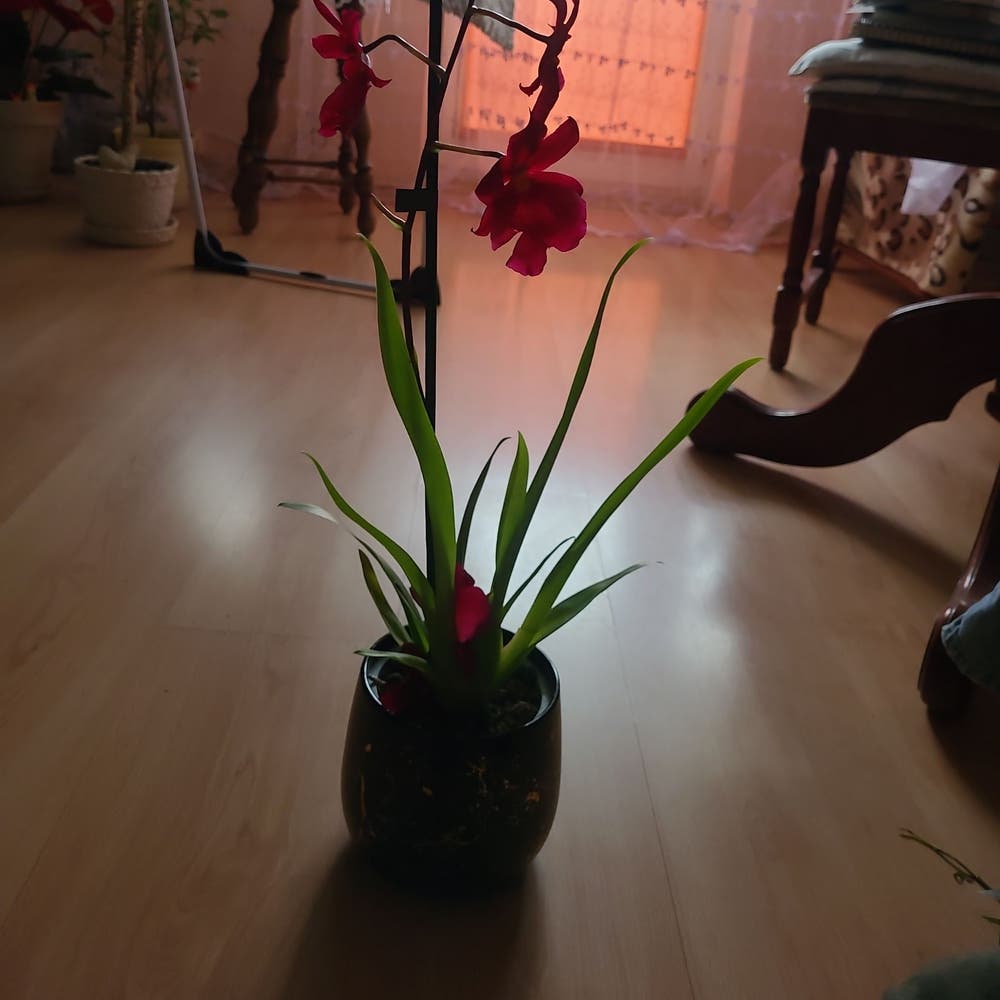
Zygopetalum exhibits a charming clumping habit with upright stems, creating an attractive focal point in any garden. Depending on the variety, these plants can reach heights of 12 to 24 inches, making them a versatile choice for various garden designs.
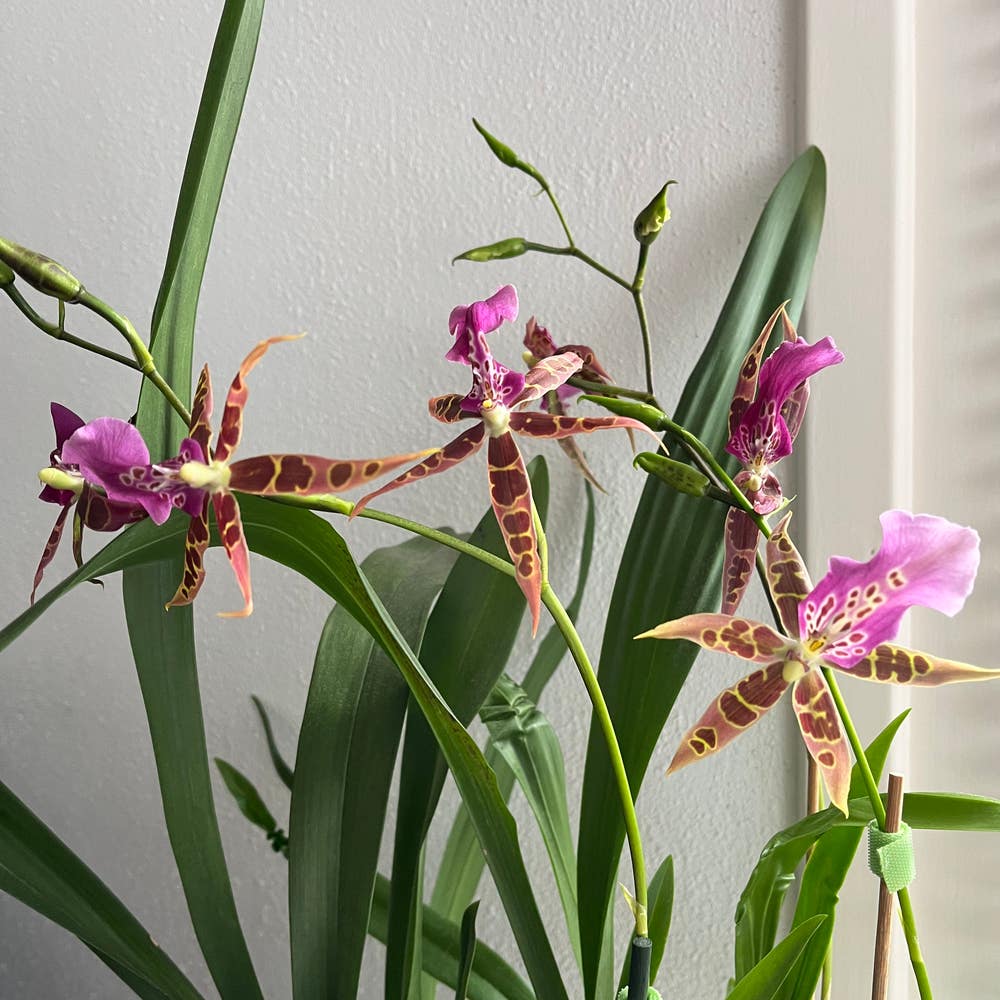
The blooming season for Zygopetalum typically occurs from late winter to early spring. During this time, expect a delightful display of flowers, with colors and patterns varying significantly by variety, adding a splash of vibrancy to your garden.
Natural Limits to Growth and Spread Potential 🌍
Zygopetalum thrives under specific environmental conditions, requiring moderate humidity and indirect light to flourish. This preference helps to limit its growth potential, ensuring it doesn't overwhelm other plants in the garden.
Additionally, Zygopetalum forms beneficial partnerships with fungi, aiding in nutrient absorption. This symbiotic relationship further restricts its spread in non-native environments, making it a manageable and non-invasive option for gardeners.
As you consider incorporating Zygopetalum into your garden, remember its unique growth habits and environmental needs. These factors not only enhance its beauty but also contribute to a balanced ecosystem, setting the stage for the next section on its ecological role.
Ecological Role
🌼 Benefits in Gardens
Zygopetalum orchids are more than just beautiful plants; they play a vital role in attracting pollinators. Their nectar-rich flowers are a magnet for bees and butterflies, making them a delightful addition to any garden.
Moreover, these orchids enhance biodiversity by providing essential habitats and food sources for various wildlife. By incorporating Zygopetalum into your garden, you contribute to a thriving ecosystem that supports numerous species.
🦋 Positive Interactions with Local Wildlife
Zygopetalum also supports beneficial insects, which are crucial for maintaining a balanced ecosystem. By attracting pollinators and predatory insects, these orchids help create a harmonious environment that benefits all garden inhabitants.
Additionally, Zygopetalum is compatible with a wide variety of plants, allowing it to coexist peacefully in diverse garden settings. This adaptability not only enhances the overall health of your garden but also fosters a vibrant community of flora and fauna.
As you consider adding Zygopetalum to your garden, remember its ecological benefits. These orchids not only beautify your space but also contribute to a healthier, more balanced environment.
Garden Management
Incorporating into Garden Designs 🌿
When planning your garden, consider placing Zygopetalum in shaded or partially shaded areas. This positioning not only meets the plant's needs but also enhances the overall aesthetic of your garden.
Grouping Zygopetalum with other orchids or shade-loving plants creates a visually appealing display. The diverse textures and colors can transform any garden space into a vibrant oasis.
Growth Control Methods for Aesthetic Purposes ✂️
To maintain the beauty of your Zygopetalum, employ effective pruning techniques. Deadheading spent flowers encourages new blooms, ensuring your plant remains lively and attractive.
Additionally, removing dead or damaged leaves helps maintain plant health. This simple act can significantly improve the overall appearance of your garden.
Container gardening is another excellent method for managing Zygopetalum. Using pots allows you to limit growth and makes it easier to control the plant's environment.
This approach also offers flexibility in design, enabling you to move the plants as needed to optimize their exposure to light and humidity. With these strategies, you can enjoy the beauty of Zygopetalum while keeping your garden looking its best.
As you explore garden management techniques, consider how Zygopetalum interacts with local wildlife and contributes to your garden's ecological role.
Comparison to Other Plants
🌱 Similarities with Other Non-Invasive Plants
Zygopetalum shares many characteristics with other non-invasive plants, particularly in its growth habits and care requirements. Like Phalaenopsis and Dendrobium orchids, Zygopetalum thrives in well-drained soils and benefits from moderate humidity.
These orchids also exhibit a clumping growth form, making them visually appealing in garden settings. Their aesthetic appeal is enhanced by their vibrant flowers, which can vary significantly in color and pattern, similar to their orchid cousins.
🌼 Unique Qualities
What sets Zygopetalum apart is its distinctive flower morphology. The unique shapes and intricate patterns of its blooms create a striking visual impact that can captivate any garden enthusiast.
Additionally, Zygopetalum's adaptability to specific garden conditions makes it a versatile choice for gardeners. It flourishes in shaded areas, allowing it to coexist harmoniously with a variety of other plants, enriching the overall garden ecosystem.
As you explore the world of orchids, consider how Zygopetalum can complement your garden design. Its unique qualities and similarities to other non-invasive plants make it a fantastic addition to any collection.
Next, let’s delve into the legal and environmental considerations surrounding Zygopetalum cultivation.
Legal and Environmental Considerations
Relevant Classifications and Guidelines 🌱
When cultivating Zygopetalum, it's essential to be aware of local regulations. Some areas may have specific guidelines regarding the planting and care of this orchid, so checking with local horticultural authorities is a smart move.
Sourcing your Zygopetalum from reputable nurseries is crucial. This practice not only ensures you get healthy plants but also helps prevent illegal harvesting, which can threaten local populations and ecosystems.
Role in Sustainable Gardening Practices 🌍
Zygopetalum plays a vital role in promoting biodiversity in your garden. By integrating this plant, you support local ecosystems and create a thriving habitat for various wildlife.
To enhance sustainability, consider companion planting with Zygopetalum. Pairing it with other native plants can improve soil health and attract beneficial insects, making your garden a vibrant and balanced ecosystem.
Incorporating organic care methods, such as natural fertilizers and pest control, further supports a healthy environment. This approach not only benefits your plants but also contributes positively to the broader ecological landscape.
As you plan your garden, remember that every choice counts. By selecting Zygopetalum and practicing sustainable gardening, you contribute to a greener future while enjoying the beauty of these unique orchids.
With a solid understanding of legal considerations and sustainable practices, you can confidently move forward in your gardening journey. Next, let's explore how to incorporate Zygopetalum into your garden designs effectively.
⚠️ Safety First
This content is for general information and may contain errors, omissions, or outdated details. It is not medical, veterinary advice, or an endorsement of therapeutic claims.
Always consult a qualified healthcare professional before using any plant as food, medicine, or supplement.
Never eat any plant (or feed one to pets) without confirming its identity with at least two trusted sources.
If you suspect poisoning, call Poison Control (800) 222-1222, the Pet Poison Helpline (800) 213-6680, or your local emergency service immediately.
Spotted an error? Please report it here.
Transform your garden with the stunning Zygopetalum 🌿, and let Greg guide you with tailored care tips to ensure this beautiful orchid thrives while supporting a vibrant ecosystem!