3 Essential Steps to Grow Healthy Zygopetalum 🌸
Zygopetalum spp.
By the Greg Editorial Team
Nov 23, 2024•6 min read
This article was created with the help of AI so we can cover more plants for you. May contain errors. See one? Report it here.
- 🌸 Zygopetalum orchids need bright, indirect light for optimal growth and vibrant blooms.
- 💧 Watering techniques should allow roots to dry slightly; avoid overwatering to prevent rot.
- 🌱 Repot when roots crowd or potting mix degrades; fresh soil promotes healthy growth.
Unique Characteristics
Flower Colors and Patterns 🌸
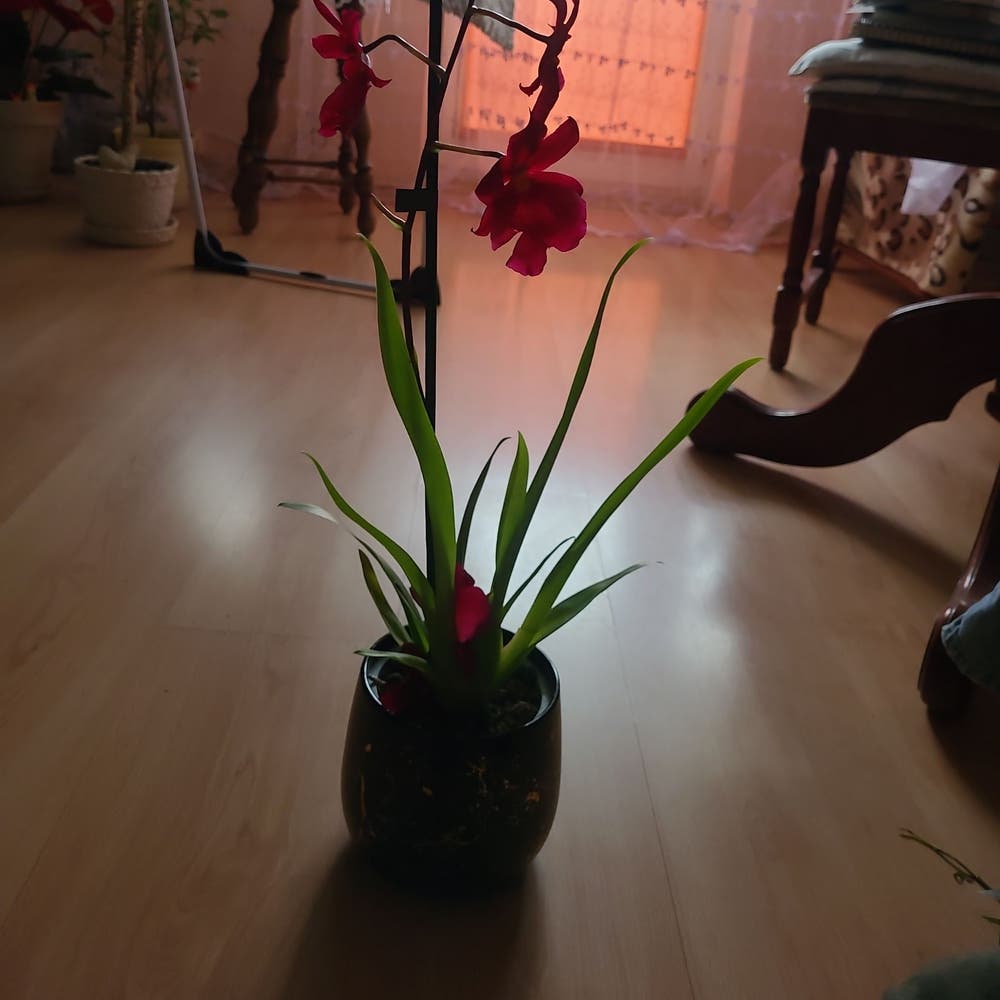
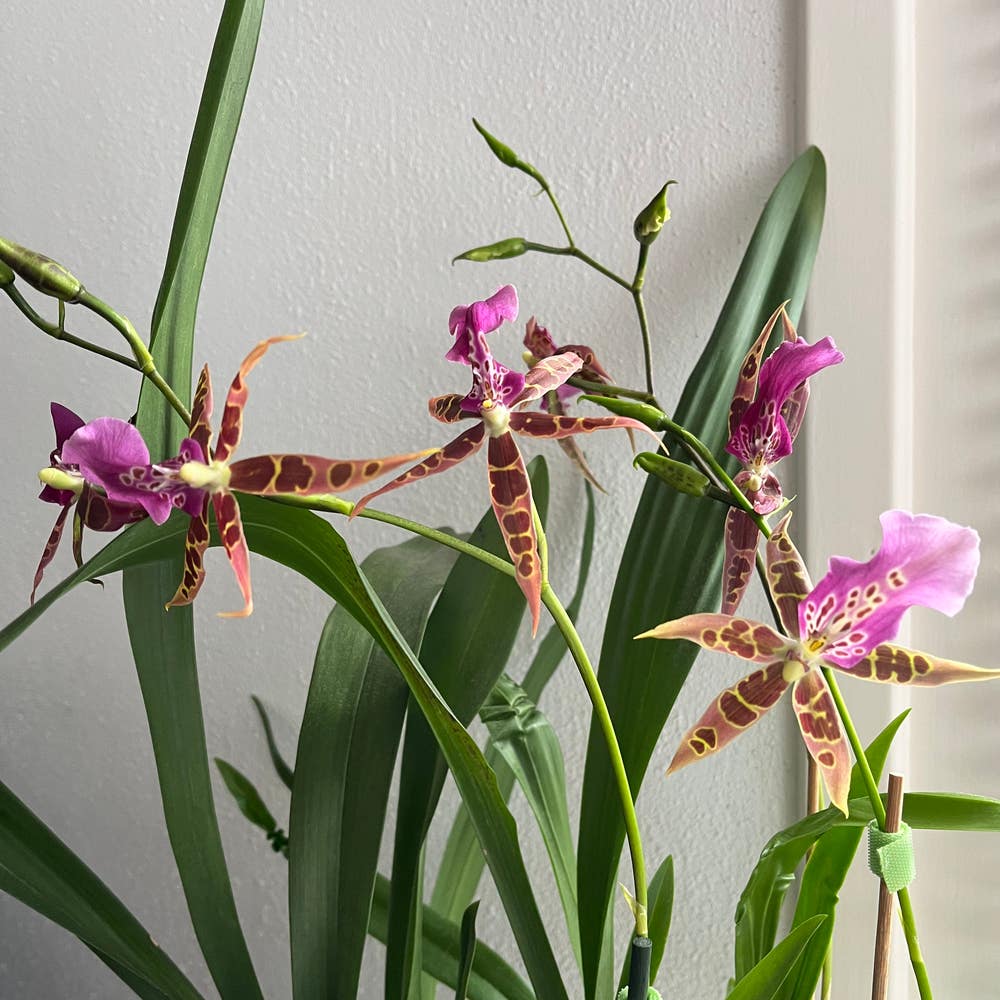
Zygopetalum orchids are renowned for their striking diversity in flower colors and patterns. From deep purples and vibrant greens to intricate markings, each bloom is a unique masterpiece that can captivate any plant lover.
These orchids often feature a combination of spots and stripes, creating a visually stunning display. This variety not only enhances their aesthetic appeal but also makes them a favorite among collectors and enthusiasts.
Growth Habits 🌱
Understanding the growth habits of Zygopetalum is crucial for successful care. These orchids are epiphytic, meaning they naturally grow on other plants, deriving moisture and nutrients from the air and rain.
This unique growth habit influences how you should care for them. Providing adequate airflow and avoiding overly dense potting mixes are essential to mimic their natural environment and promote healthy growth.
Site Selection and Preparation
🌍 Choosing the Right Location
When it comes to growing Zygopetalum, selecting the right location is crucial. Indoor environments offer controlled conditions, while outdoor settings can provide natural light and airflow, each with its own pros and cons.
Container growing is a fantastic option for managing light and humidity levels. This method allows you to easily adjust your plant's environment, ensuring optimal growth conditions.
💡 Light Requirements
Zygopetalum thrives in bright, indirect light. This is essential for vibrant blooms and healthy foliage.
If your plant is not receiving enough light, you may notice signs like etiolation—where the stems stretch toward the light—and poor flowering. Adjusting its position can make a significant difference.
🌡️ Temperature and Humidity
The ideal temperature range for Zygopetalum is between 18°C to 30°C (65°F to 86°F). Keeping your plant within this range will promote healthy growth.
Humidity is equally important, with a preference for levels between 50-70%. You can maintain this by misting the plant or using a humidity tray to create a suitable microclimate.
With the right site selection and preparation, your Zygopetalum will be set up for success. Next, let’s delve into the specifics of soil and planting techniques to ensure your plant has a solid foundation.
Soil and Planting
🌱 Soil Preparation
A well-draining potting mix is crucial for the health of your Zygopetalum. This orchid thrives in an environment that prevents water from pooling around the roots, which can lead to rot.
To create the perfect mix, consider a combination of bark, perlite, and sphagnum moss. A good ratio to start with is 50% bark, 30% perlite, and 20% sphagnum moss, providing both aeration and moisture retention.
🧪 Best Potting Mix
When selecting a commercial orchid mix, look for one specifically formulated for epiphytic orchids. These mixes typically contain a blend of materials that promote drainage and airflow.
If you prefer a DIY approach, you can easily create your own potting mix. Combine equal parts of bark and perlite, then add a small amount of sphagnum moss to enhance moisture retention.
🌼 Planting Techniques
Proper planting depth is essential for your Zygopetalum's success. Position the rhizome just above the soil surface to allow for healthy growth and prevent rot.
When choosing a container, opt for one that is slightly larger than the root system. A pot that is 1-2 inches wider than the previous one will provide ample space for growth without overwhelming the plant.
As you prepare to plant, remember that the right soil and potting techniques set the foundation for a thriving Zygopetalum. With these steps in place, you're well on your way to ensuring your orchid flourishes.
Next, let's explore the watering and fertilizing needs of your Zygopetalum to keep it healthy and vibrant.
Watering and Fertilizing
💧 Watering Schedule and Techniques
Watering your Zygopetalum is crucial for its health. Aim to allow the roots to dry slightly between waterings to prevent root rot.
When it comes to techniques, you have two main options: the soaking method and top watering. The soaking method involves placing the pot in water for about 15 minutes, allowing the roots to absorb moisture, while top watering ensures even distribution of water directly onto the potting mix.
🚿 Signs of Overwatering and Underwatering
Recognizing the signs of overwatering is essential for maintaining your plant's health. Look for yellowing leaves and mushy roots, which indicate that your Zygopetalum is drowning.
On the flip side, underwatering can also pose problems. If you notice wrinkled leaves and dry potting mix, it's time to give your plant a drink.
🌱 Fertilizing: Types and Frequency
Fertilizing your Zygopetalum helps promote vibrant growth and blooming. Use balanced orchid fertilizers with appropriate NPK ratios to ensure your plant receives the nutrients it needs.
During the growing season, fertilize monthly, but reduce this frequency in winter when the plant's growth slows down. This approach keeps your Zygopetalum thriving year-round.
With proper watering and fertilizing techniques, your Zygopetalum will flourish beautifully. Next, let’s explore the essential pruning and maintenance practices to keep your plant in top shape.
Pruning and Maintenance
When and How to Prune 🌿
Pruning your Zygopetalum is essential for maintaining its health and promoting future blooms. The best time to prune is after flowering or during its dormancy, allowing the plant to recover and thrive.
Using sterilized tools is crucial to prevent disease. Clean cuts will help the plant heal quickly and reduce the risk of infection.
Ongoing Care Routine 🔍
Regular inspections for pests and diseases should be part of your routine. Catching issues early can save your plant from significant damage.
Adjust your care based on seasonal changes. For instance, you might need to increase humidity during dry winter months or provide more light as days lengthen in spring.
Repotting: When and How 🌱
Repotting is necessary when you notice signs like root crowding or degraded potting mix. These indicators suggest that your plant needs fresh soil and more space to grow.
Follow these steps for a successful repotting:
- Remove the plant from its pot carefully.
- Trim any dead or damaged roots to encourage healthy growth.
- Place the plant in fresh potting mix, ensuring the rhizome is positioned at the correct depth.
With proper pruning and maintenance, your Zygopetalum will flourish, setting the stage for vibrant blooms. Now, let’s explore common challenges and solutions to keep your plant thriving.
Common Challenges and Solutions
Identifying Pests and Diseases 🐛
Zygopetalum orchids can face various challenges, particularly from pests and diseases. Common pests include aphids, mealybugs, and spider mites, which can sap the plant's vitality.
Diseases like root rot and fungal infections can also pose significant threats. Recognizing these issues early is crucial for effective management.
Solutions for Growing Problems 💪
When it comes to pest control, neem oil and insecticidal soap are effective options. These treatments can help eliminate pests without harming your plant.
For disease prevention, focus on proper watering techniques and ensuring good air circulation. These practices create an environment less conducive to fungal growth.
Tips for Troubleshooting Growth Issues 🔍
If your Zygopetalum shows signs of distress, start by adjusting light and humidity levels. This can often resolve issues related to inadequate growth.
Additionally, monitor your watering habits closely. Adjusting the frequency based on your plant's response can lead to healthier growth and vibrant blooms.
By staying vigilant and proactive, you can overcome these common challenges and enjoy the beauty of your Zygopetalum. Next, let’s explore the essential aspects of pruning and maintenance to keep your plant thriving.
⚠️ Safety First
This content is for general information and may contain errors, omissions, or outdated details. It is not medical, veterinary advice, or an endorsement of therapeutic claims.
Always consult a qualified healthcare professional before using any plant as food, medicine, or supplement.
Never eat any plant (or feed one to pets) without confirming its identity with at least two trusted sources.
If you suspect poisoning, call Poison Control (800) 222-1222, the Pet Poison Helpline (800) 213-6680, or your local emergency service immediately.
Spotted an error? Please report it here.
Grow a thriving Zygopetalum orchid 🌼 with Greg's personalized care reminders and expert tips that ensure your plant flourishes in its ideal environment!