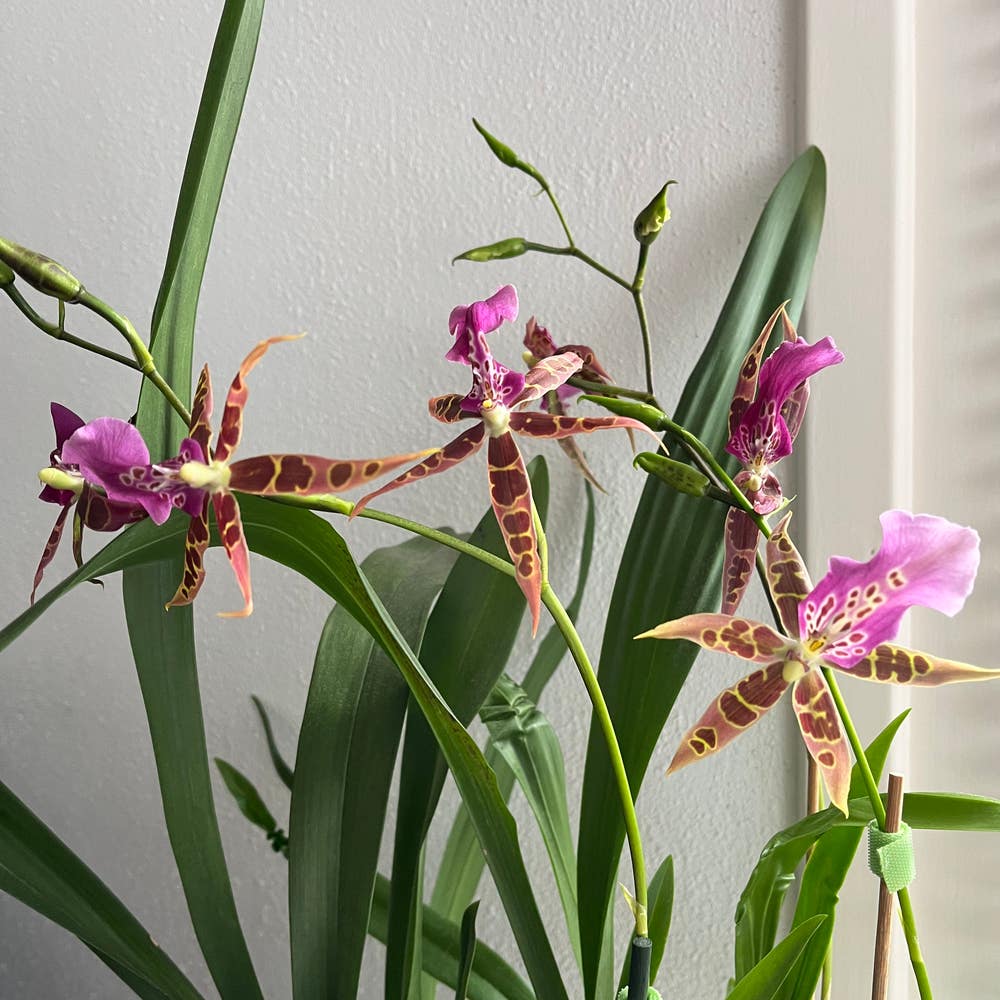
When and Where to Cut Back Your Zygopetalum 🌸
Zygopetalum spp.
By the Greg Editorial Team
Nov 23, 2024•4 min read
This article was created with the help of AI so we can cover more plants for you. May contain errors. See one? Report it here.
- 🌸 Prune Zygopetalum after flowering for new growth and vibrant blooms.
- ✂️ Remove dead material to prevent disease and promote plant health.
- 🌱 Watch for yellowing leaves and overcrowding as signs to prune.
Benefits of Pruning
🌱 Encouraging Growth and Blooming Potential
Pruning your Zygopetalum is essential for encouraging new growth and maximizing its blooming potential. By trimming back old or spent parts, you create space for fresh shoots and vibrant flowers.
Maintaining the unique shape of the plant is another significant benefit of pruning. A well-shaped Zygopetalum not only looks better but also promotes healthier growth patterns.
Additionally, removing dead or diseased material is crucial for the overall health of your plant. This practice helps prevent the spread of disease and allows the plant to focus its energy on thriving.
In summary, regular pruning fosters a healthier, more beautiful Zygopetalum, ensuring it remains a stunning centerpiece in your collection. With these benefits in mind, you’ll be ready to tackle the next steps in your pruning journey.
When to Prune
🌱 Seasonal Timing for Pruning
The ideal time to prune your zygopetalum is after it has finished flowering, which usually falls in late spring or early summer. Pruning during this period allows the plant to recover and encourages new growth without the stress of active growth.
Avoid pruning during the active growth phase, as this can hinder the plant's natural development. Timing is crucial for maintaining the health and vitality of your zygopetalum.
🔍 Signs Indicating When to Prune
Keep an eye out for specific signs that indicate it's time to prune. Yellowing or wilting leaves are often the first indicators that your plant needs attention.
Additionally, spent flower spikes that have turned brown should be removed to promote a healthier appearance. If you notice overcrowded growth affecting air circulation, it's a clear signal that pruning is necessary to ensure your plant thrives.
By being attentive to these signs, you can effectively manage your zygopetalum's health and encourage its blooming potential. This proactive approach will set the stage for the next steps in your pruning journey.
Where to Cut Back
Identifying the Right Cutting Points 🌿
When pruning your zygopetalum, it's crucial to know where to make your cuts. For spent flower spikes, cut back to the base of the stem to encourage healthy new growth.
For leaves, trim them at their base. This method helps avoid damaging the plant and promotes a tidy appearance.
Techniques for Cutting Stems and Leaves ✂️
Using the right technique is key to successful pruning. Make a clean cut at a 45-degree angle; this promotes healing and reduces the risk of disease.
Always ensure your cuts are made above a node. This encourages new growth and helps your plant thrive after pruning.
With these cutting techniques in mind, you’ll set your zygopetalum up for success. Next, let’s explore the importance of deadheading to keep your plant blooming beautifully.
Common Mistakes in Pruning
✂️ Avoiding Over-Pruning
Pruning can be a double-edged sword. While it’s essential for maintaining your zygopetalum's health, over-pruning can lead to more harm than good.
Recognizing the balance between necessary pruning and excessive cutting is crucial. Each cut should have a purpose, whether it's to encourage growth or remove dead material.
🌱 Understanding the Plant's Growth Cycle
Understanding your plant's growth cycle helps avoid cutting too much. Pruning during the wrong phase can stress the plant and hinder its blooming potential.
🚨 Recognizing Signs of Stress After Pruning
After pruning, keep an eye out for signs of stress. Drooping leaves or stunted growth can indicate that your zygopetalum is struggling.
Address any issues promptly to prevent long-term damage. Quick action can make a significant difference in your plant's recovery and future health.
🏁 Conclusion
By avoiding common pruning mistakes, you can ensure your zygopetalum thrives. With the right techniques and timing, your plant will reward you with vibrant blooms and robust growth.
Next, let’s explore the importance of deadheading and how it can enhance your plant's blooming cycle.
⚠️ Safety First
This content is for general information and may contain errors, omissions, or outdated details. It is not medical, veterinary advice, or an endorsement of therapeutic claims.
Always consult a qualified healthcare professional before using any plant as food, medicine, or supplement.
Never eat any plant (or feed one to pets) without confirming its identity with at least two trusted sources.
If you suspect poisoning, call Poison Control (800) 222-1222, the Pet Poison Helpline (800) 213-6680, or your local emergency service immediately.
Spotted an error? Please report it here.
Keep your Zygopetalum blooming beautifully 🌸 by using Greg's tailored pruning reminders and expert tips to ensure vibrant growth and health!