Best Tips for Blooming Zygopetalum 🌸
Zygopetalum spp.
By the Greg Editorial Team
Nov 23, 2024•5 min read
This article was created with the help of AI so we can cover more plants for you. May contain errors. See one? Report it here.
- 🌸 Zygopetalum orchids thrive with 12-14 hours of bright, indirect sunlight daily.
- 💧 Humidity levels of 50-70% are crucial for optimal blooming conditions.
- 🌱 Regular fertilization every 2-4 weeks supports healthy growth and flowering.
Flowering Status
Clarification on Flowering Status 🌸
Zygopetalum is a stunning orchid that indeed produces flowers, celebrated for their vibrant colors and intricate patterns. Flowering is crucial not only for the plant's life cycle but also enhances its ornamental value, making it a prized addition to any garden or indoor space.
Reasons for Non-Flowering 🚫
If your Zygopetalum isn't blooming, several factors could be at play. Inadequate light, improper watering, and nutrient deficiencies are common culprits that can hinder flowering.
Environmental Conditions 🌤️
Environmental conditions play a significant role in the flowering status of Zygopetalum. Factors like temperature fluctuations, humidity levels, and light exposure can greatly influence whether your plant will produce those beautiful blooms.
Understanding these elements is essential for nurturing your Zygopetalum and ensuring it thrives. With the right care, you can enjoy the vibrant flowers that make this orchid so special.
Flower Characteristics
Description of Colors and Structure 🌈
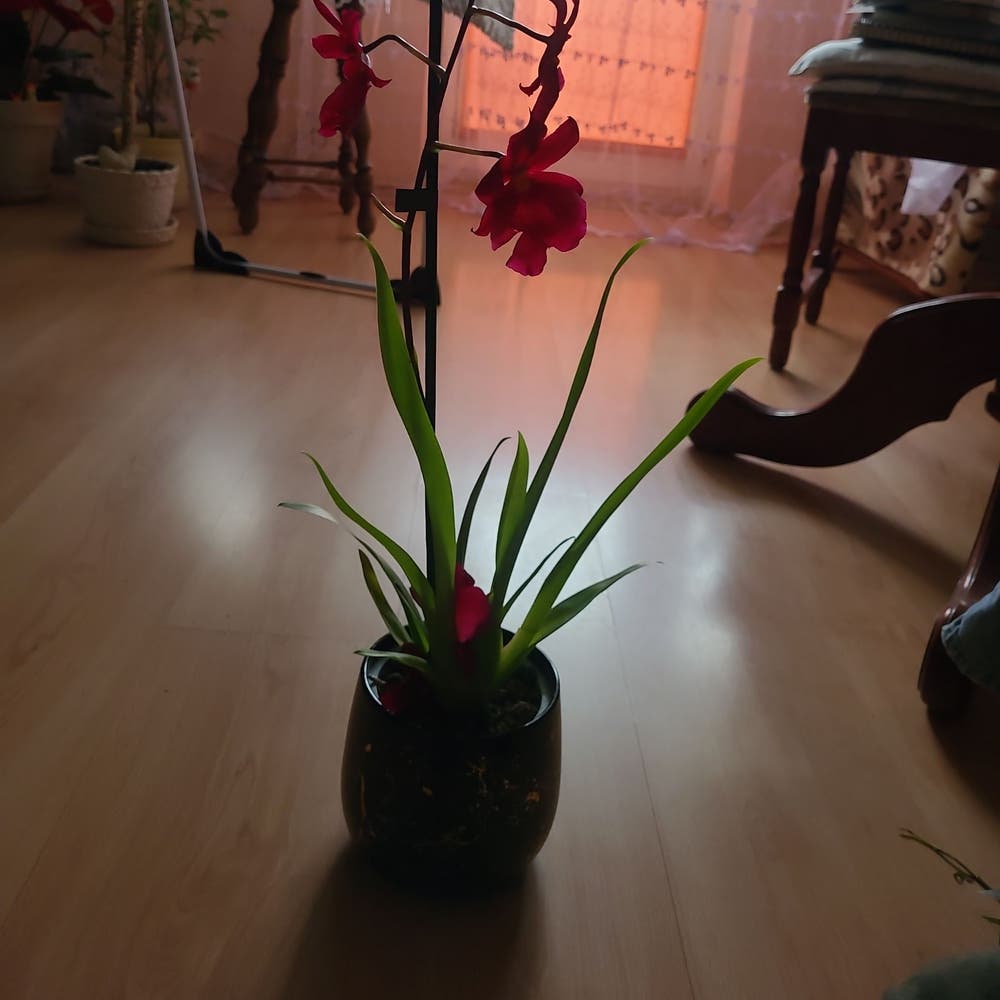
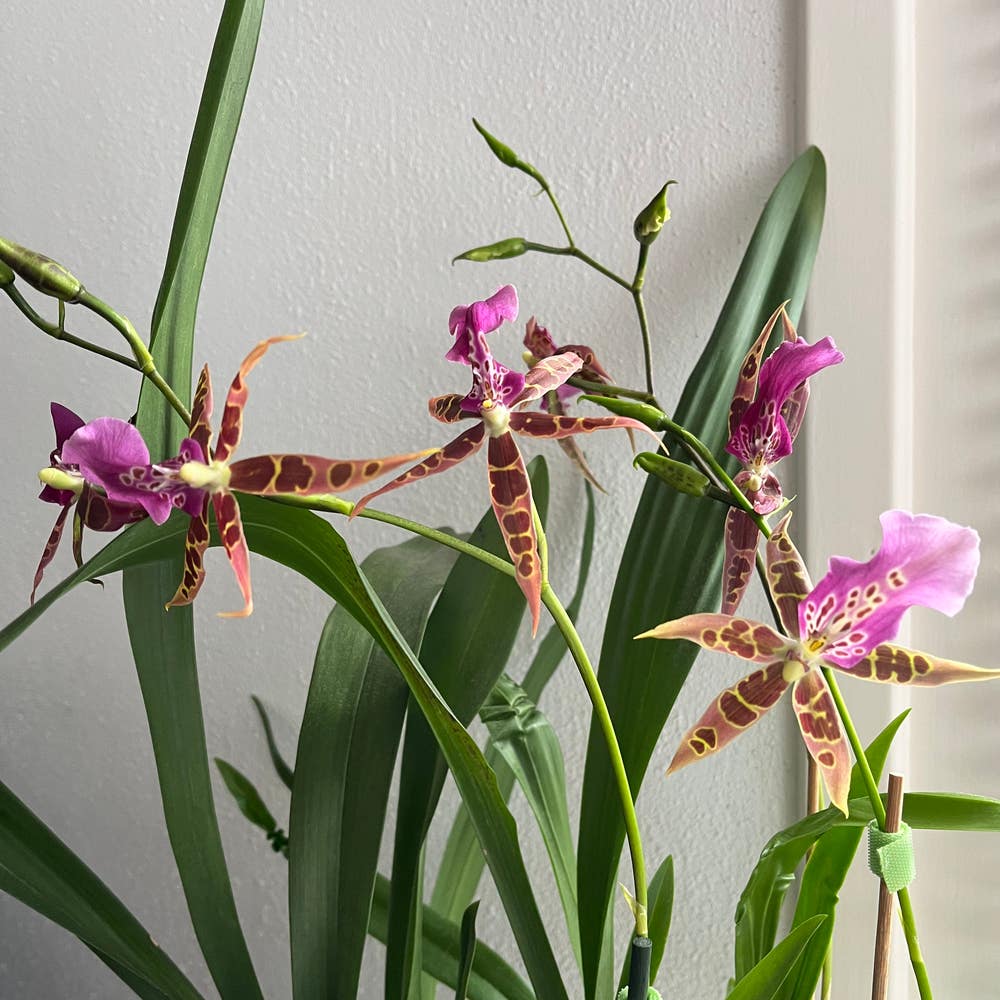
Zygopetalum flowers are a feast for the eyes, showcasing deep purples, vibrant greens, and pristine whites, often adorned with intricate markings. These stunning blooms emerge on unique flower spikes that can soar up to 30 cm (12 inches) tall, with multiple flowers gracing each spike, creating a spectacular display.
In various cultures, Zygopetalum flowers carry symbolic meanings, often representing beauty and strength. Their striking appearance not only enhances any garden but also serves as a reminder of nature's artistry.
Pollination 🐝
Zygopetalum relies heavily on cross-pollination, making it dependent on external pollinators like bees and butterflies. This reproductive strategy highlights the plant's connection to its environment and the vital role these pollinators play in ensuring successful reproduction.
Understanding this relationship can deepen your appreciation for Zygopetalum and the delicate balance of nature. By fostering a pollinator-friendly garden, you can help support the blooming potential of these exquisite orchids.
Blooming Process
🌱 Stages of Blooming
The blooming process of Zygopetalum is a fascinating journey that begins with bud formation, typically in late winter. As the buds develop, they undergo a series of visual transformations, gradually unfurling into stunning flowers.
Initially, the buds appear as small, tightly closed structures. Over time, they swell and elongate, revealing vibrant colors and intricate patterns that characterize this unique orchid.
⏳ Typical Bloom Time and Duration
Zygopetalum generally blooms from late winter to early spring, a period that many plant enthusiasts eagerly anticipate. From the moment the buds form, it takes about 6-8 weeks for them to reach full bloom.
Once fully opened, the flowers can last for 2-4 weeks, providing a spectacular display of beauty. This relatively short lifespan is a reminder to cherish each bloom, as they bring joy and vibrancy to any space.
The blooming process of Zygopetalum is not just about the flowers; it’s a celebration of life and growth. Understanding this cycle can help you appreciate the care and attention these plants require, setting the stage for the next section on encouraging blooms.
Encouraging Blooms
🌼 Tips for Encouraging Zygopetalum to Bloom
To coax your Zygopetalum into a spectacular bloom, start by ensuring it receives adequate light. Aim for 12-14 hours of bright, indirect sunlight daily to stimulate growth and flowering.
Next, humidity plays a crucial role in the blooming process. Maintain humidity levels between 50-70% for optimal results.
Fertilization is also key. Use a balanced orchid fertilizer every 2-4 weeks during the growing season to provide essential nutrients.
🌱 Factors Influencing Flowering
Environmental conditions significantly impact flowering. Temperature fluctuations, light exposure, and watering practices can all affect your plant's ability to bloom.
Seasonal changes are equally important. As the seasons shift, so do the needs of your Zygopetalum, making it essential to adjust care accordingly.
By paying attention to these factors, you can create an ideal environment for your Zygopetalum to thrive and produce beautiful blooms. This proactive approach will set the stage for a vibrant display in your home or garden.
As we explore the post-flowering care, understanding what happens after blooming will help you maintain your plant's health and encourage future growth.
Post-Flowering Care
What Happens After Flowering 🌼
After Zygopetalum flowers, it enters a recovery phase where the plant focuses on rejuvenation. This period is crucial for the plant to regain strength and prepare for future blooms.
Continued care during this time is essential. Providing the right conditions can significantly enhance the chances of blooming in the next cycle.
Clarification on Plant Survival 🌱
It's a common misconception that Zygopetalum dies after flowering. In reality, this resilient plant can thrive and produce new growth even after its blooms fade.
Zygopetalum reproduces vegetatively through pseudobulbs. These structures store nutrients and energy, allowing the plant to flourish without relying solely on flowering.
Unique Aspects 🌈
Zygopetalum varieties showcase a stunning array of flower colors and patterns. This diversity adds to their appeal, making them a favorite among orchid enthusiasts.
Moreover, Zygopetalum's ability to reproduce vegetatively means it can continue to grow and thrive without the need for flowers. This adaptability is a testament to its resilience.
Interestingly, Zygopetalum holds a significant place in horticulture history. Its unique adaptations allow it to thrive in humid, tropical environments, making it a fascinating subject for plant lovers.
As you care for your Zygopetalum post-bloom, remember that with the right attention, you can encourage even more vibrant displays in the future. Now, let's explore how to encourage those beautiful blooms to return!
⚠️ Safety First
This content is for general information and may contain errors, omissions, or outdated details. It is not medical, veterinary advice, or an endorsement of therapeutic claims.
Always consult a qualified healthcare professional before using any plant as food, medicine, or supplement.
Never eat any plant (or feed one to pets) without confirming its identity with at least two trusted sources.
If you suspect poisoning, call Poison Control (800) 222-1222, the Pet Poison Helpline (800) 213-6680, or your local emergency service immediately.
Spotted an error? Please report it here.
Unlock the vibrant blooms of your Zygopetalum orchids 🌺 with Greg's tailored care reminders that ensure optimal light, humidity, and nutrition for stunning flowers every season!