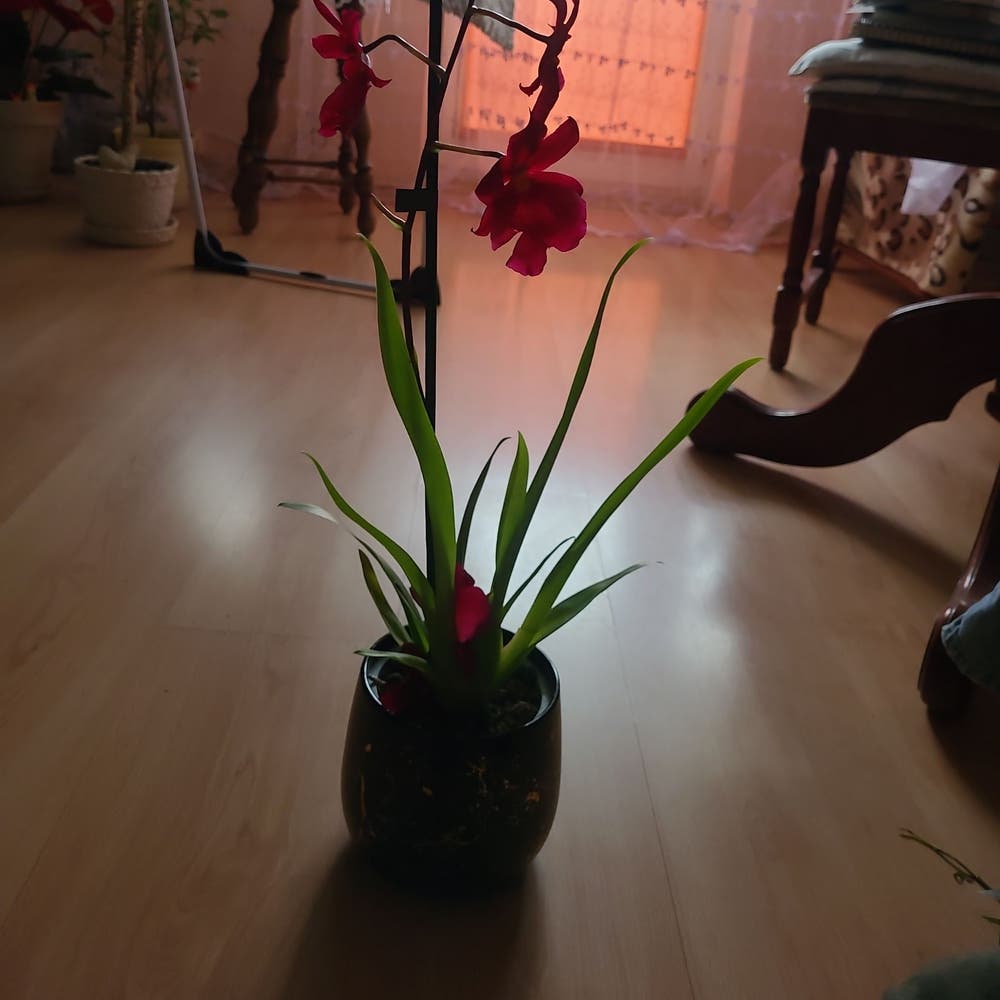
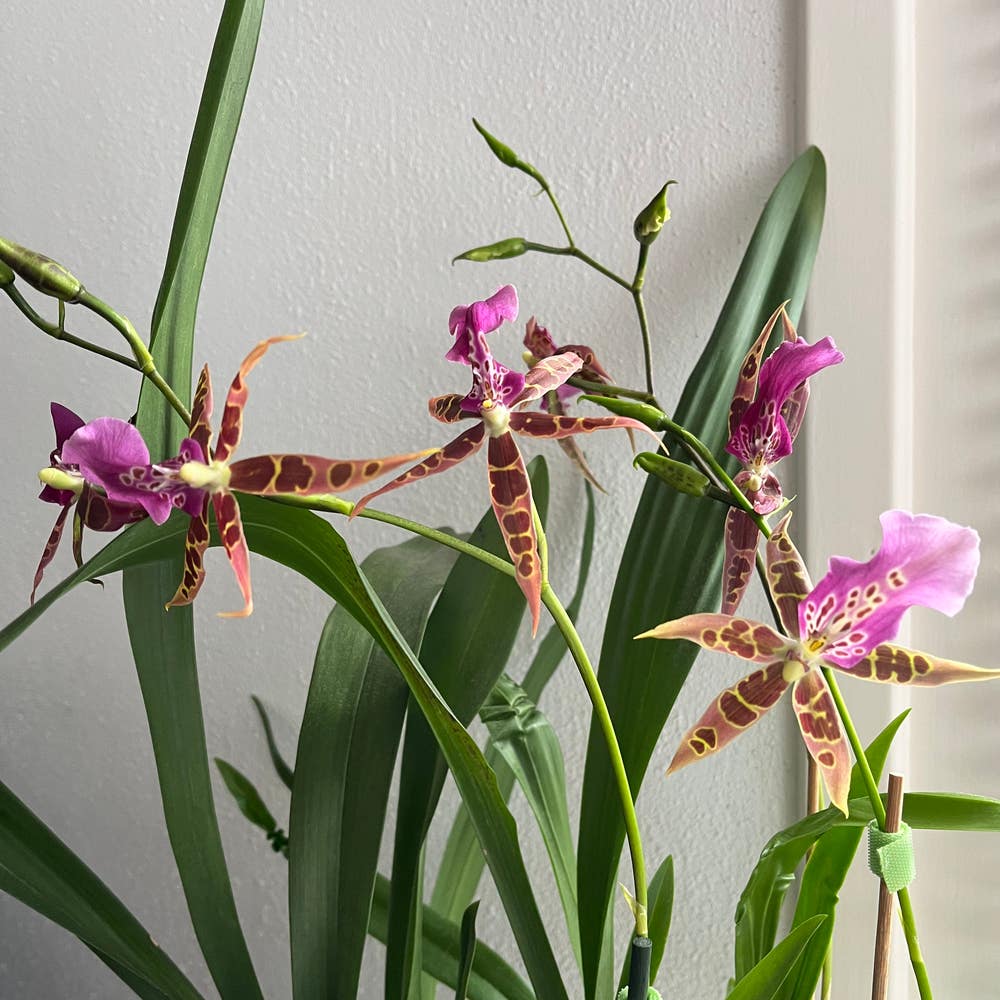
🌸 3 Essential Outdoor Zygopetalum Care Routines
Zygopetalum spp.
By the Greg Editorial Team
Nov 23, 2024•5 min read
This article was created with the help of AI so we can cover more plants for you. May contain errors. See one? Report it here.
- 🌞 Bright, indirect light is crucial for Zygopetalum growth; avoid direct sunlight.
- 💧 Water every 5-7 days to keep soil moist, preventing root rot.
- 🌱 Use well-draining soil and monitor for pests to ensure healthy orchids.
Sunlight Requirements
Ideal Sunlight Exposure 🌞
Zygopetalum orchids thrive in bright, indirect light. Direct sunlight can scorch their delicate leaves, so aim for 4-6 hours of filtered sunlight daily to keep them healthy and vibrant.
Signs of Insufficient or Excessive Light 🔍
Watch for signs that your Zygopetalum isn't getting the right amount of light. If you notice stretched growth, fewer blooms, or yellowing leaves, it may be a sign of insufficient light. Conversely, scorched leaf tips and faded colors indicate too much direct sunlight.
Understanding these light requirements is crucial for nurturing your Zygopetalum. By providing the right conditions, you set the stage for a flourishing plant that rewards you with stunning blooms.
Watering Needs and Frequency
Watering Guidelines 🌊
Zygopetalums thrive when their soil is consistently moist but not waterlogged. Aim to water your plants every 5-7 days, adjusting based on the weather conditions.
Watering Techniques 💧
For the best results, water your Zygopetalum early in the day. This timing allows the foliage to dry before evening, reducing the risk of fungal issues.
Importance of Drainage 🚰
Proper drainage is crucial for healthy roots. Always use pots with drainage holes or ensure that the ground soil drains well to prevent root rot, which can be detrimental to your plant's health.
With a solid understanding of watering needs, you can ensure your Zygopetalum remains vibrant and healthy. Next, let's explore the ideal soil preferences and fertilization techniques to further support your plant's growth.
Soil Preferences and Fertilization
Ideal Soil Composition 🌱
Zygopetalum orchids thrive in well-draining, organic-rich soil. A perfect mix includes bark, perlite, and sphagnum moss, which provides the necessary aeration and moisture retention.
Maintaining the right soil pH is crucial for healthy growth. Aim for a slightly acidic to neutral range, ideally between pH 5.5 and 7.0, to support optimal nutrient uptake.
Fertilization Needs 🌼
Feeding your Zygopetalum is essential for vibrant blooms and robust growth. Use a balanced orchid fertilizer, such as a 20-20-20 formula, but remember to dilute it to half strength to avoid overwhelming the plant.
Establish a fertilization schedule during the growing season, typically every 4-6 weeks in spring and summer. This routine helps ensure your orchid gets the nutrients it needs without risking fertilizer burn.
With the right soil and fertilization practices, your Zygopetalum will flourish beautifully. Next, let’s explore the best planting options to maximize your orchid's potential.
Planting Options
Container Planting 🌱
Container planting offers a unique flexibility that many gardeners appreciate. You can easily move your zygopetalum to find the perfect light or shelter it from extreme weather conditions.
However, this method does come with its challenges. Limited root space means you may need to repot your plants more frequently as they grow, which can be a bit of a hassle.
Ground Planting 🌍
Ground planting provides a more natural growth environment for your zygopetalum. This option typically offers more stable moisture and temperature conditions, allowing your plants to thrive.
On the flip side, ground planting can limit your control over soil conditions. You might find yourself needing to amend the soil to improve drainage, especially if your garden has heavy clay or compacted soil.
In summary, both planting options have their pros and cons. Consider your gardening style and the specific needs of your zygopetalum when making your choice. Next, let’s explore how to protect your plants from weather extremes and pests.
Protection from Weather and Pests
🌤️ Weather Protection Strategies
Protecting your zygopetalum from harsh weather is crucial for its health. During extreme heat, using shade cloth can shield your plants from scorching rays while allowing filtered light to reach them.
Mulching is another effective strategy to retain moisture in the soil. In colder months, frost protection is essential; cover your plants with frost cloth or bring container plants indoors to safeguard them from freezing temperatures.
🐛 Common Outdoor Pests and Control Methods
Outdoor zygopetalums can attract a few pesky pests. Common culprits include aphids, spider mites, and slugs, which can damage your plants if left unchecked.
To combat these nuisances, consider using insecticidal soap or neem oil. Alternatively, introducing beneficial insects like ladybugs can help keep pest populations in check naturally.
🦠 Diseases and Prevention
Zygopetalums are susceptible to several diseases that can hinder their growth. Root rot, leaf spot, and fungal infections are among the most common issues faced by these orchids.
Preventing these diseases starts with ensuring proper drainage in your pots or garden beds. Avoid overhead watering to keep foliage dry, and maintain good air circulation around your plants to minimize the risk of fungal infections.
By implementing these protective measures, you can help your zygopetalum thrive despite environmental challenges. Next, let’s explore the seasonal care routines that will keep your plants flourishing throughout the year.
Seasonal Care
🌦️ Seasonal Changes and Their Impact
As the seasons change, so do the growth patterns of your zygopetalum. Warmer temperatures and increased light in spring signal a time to ramp up watering and fertilization, promoting lush growth and vibrant blooms.
In contrast, during the winter months, your plant enters dormancy. This means it's essential to reduce watering and fertilization to prevent stress and ensure a healthy return to growth when spring arrives.
🌍 Special Considerations for Climate Zones
Zygopetalum thrives best in USDA zones 10-11, where the climate is warm and stable. If you live in cooler zones, be prepared to offer extra protection to keep your plant healthy.
Consider using microclimates or greenhouses to create a more favorable environment. These strategies can help your zygopetalum flourish, even when the weather outside isn’t ideal.
With these seasonal care tips, you can ensure your zygopetalum remains vibrant and healthy throughout the year. Next, let’s explore how to protect your plant from weather extremes and pesky pests.
⚠️ Safety First
This content is for general information and may contain errors, omissions, or outdated details. It is not medical, veterinary advice, or an endorsement of therapeutic claims.
Always consult a qualified healthcare professional before using any plant as food, medicine, or supplement.
Never eat any plant (or feed one to pets) without confirming its identity with at least two trusted sources.
If you suspect poisoning, call Poison Control (800) 222-1222, the Pet Poison Helpline (800) 213-6680, or your local emergency service immediately.
Spotted an error? Please report it here.
Keep your Zygopetalum orchids thriving and blooming 🌺 with Greg's tailored watering reminders and expert care tips that make nurturing your plants a breeze!