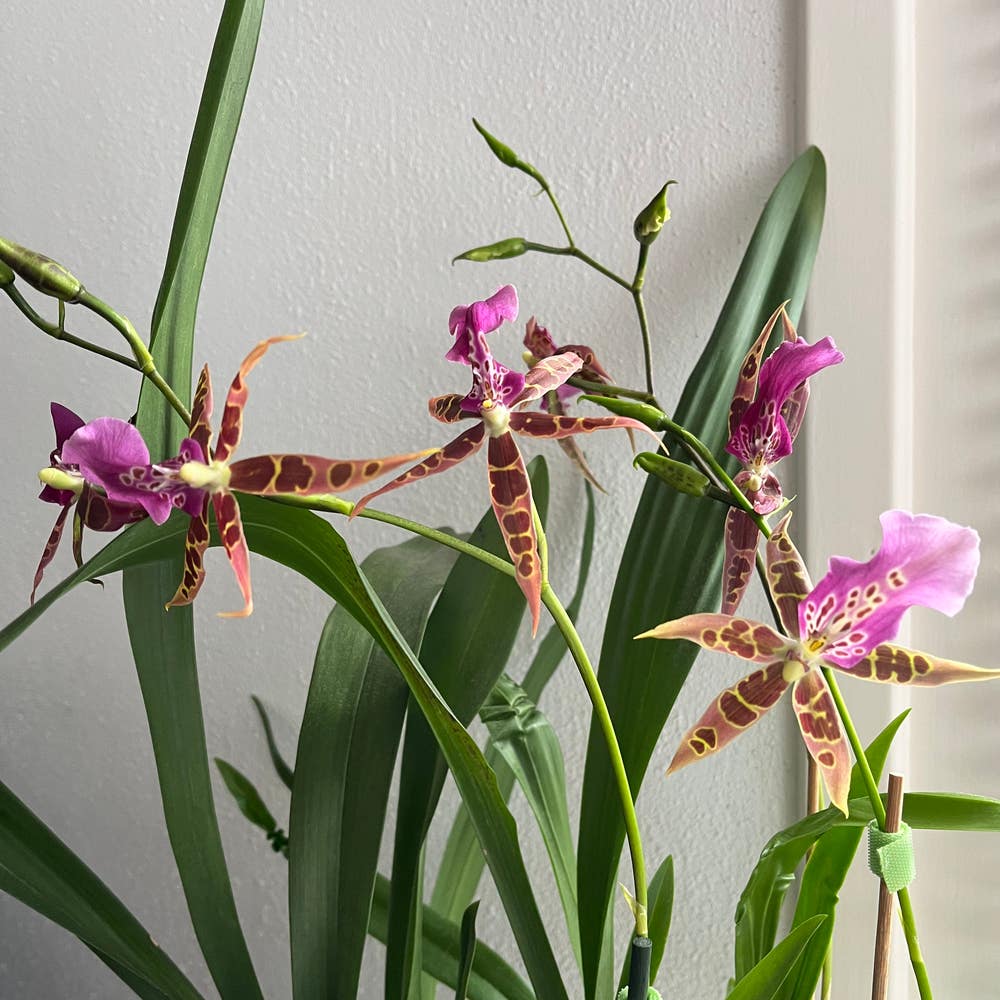
5 Plants That Thrive Alongside Zygopetalum 🌸
Zygopetalum spp.
By the Greg Editorial Team
Nov 23, 2024•5 min read
This article was created with the help of AI so we can cover more plants for you. May contain errors. See one? Report it here.
- 🌿 Zygopetalum thrives with humidity-loving plants like ferns for optimal growth.
- 🌼 Companion plants like basil and marigolds deter pests and enhance Zygopetalum's health.
- 🎨 Choose visually harmonious companions to create a stunning garden display with Zygopetalum.
Best Companion Plants for Zygopetalum
🌿 Plant 1: Humidity-Loving Companion
Zygopetalum thrives in humid environments, making Ferns an excellent companion. They share similar humidity and light requirements, ensuring both plants flourish together.
Ferns also act as natural pest repellents. Their presence can deter common pests like aphids and mealybugs that often target Zygopetalum.
🎨 Plant 2: Colorful Contrast
Calathea is another fantastic choice, offering vibrant colors and patterns that beautifully complement Zygopetalum. The striking foliage of Calathea enhances the visual appeal of your garden.
Moreover, Calathea's growth habits mesh well with Zygopetalum. They both enjoy similar light conditions, creating a harmonious garden space.
💧 Plant 3: Moisture Management
Peace Lilies are perfect companions due to their similar moisture requirements. Both plants thrive with consistent watering, helping to prevent overwatering issues.
Additionally, Peace Lilies contribute to pest management. Their ability to attract beneficial insects can help reduce pest populations around Zygopetalum.
🌸 Plant 4: Bloom Synchronization
Orchids can be a stunning companion, as their flowering times often align with Zygopetalum's bloom period. This synchronization ensures a vibrant display in your garden.
Not only do they bloom together, but Orchids also enhance the overall aesthetic. Their elegant flowers create a visually pleasing landscape alongside Zygopetalum.
🌱 Plant 5: Nutrient Partners
Basil is a surprising yet beneficial companion plant. It shares soil nutrients effectively, promoting healthier growth for both plants.
Basil's growth habits are compatible with Zygopetalum as well. They can coexist without competing for space, allowing both to thrive in your garden.
These companion plants not only support the health of Zygopetalum but also enhance its beauty. As you explore the next section, consider which plants to avoid for optimal growth and harmony in your garden.
Plants to Avoid Near Zygopetalum
🌵 Plant A
When selecting plants to accompany your Zygopetalum, it's crucial to avoid those with incompatible care needs. For instance, some plants thrive in dry conditions and direct sunlight, which can be detrimental to Zygopetalum, as it prefers higher humidity and indirect light.
🐞 Plant B
Another category to steer clear of includes plants that attract pests. Certain species are notorious for drawing in aphids and mealybugs, which can wreak havoc on your Zygopetalum, leading to unhealthy growth and diminished blooms.
🌱 Plant C
Lastly, consider the competition for resources. Some plants may aggressively vie for water and nutrients, leaving your Zygopetalum deprived and struggling. It's essential to choose companions that won't overshadow or outcompete your prized orchid.
By being mindful of these plants, you can create a thriving environment for your Zygopetalum. Next, let’s explore effective pest management strategies that can further enhance the health of your garden.
Pest Management Strategies
👫 Pest Management in Companion Planting
Companion planting is a powerful strategy for pest control. By choosing the right plants to grow alongside Zygopetalum, you can create a natural barrier against pests and promote a healthier garden ecosystem.
Selecting compatible companions is crucial for effective pest management. The right plants can deter harmful insects, attract beneficial ones, and even enhance the overall health of your Zygopetalum.
🐞 Specific Pests that Affect Zygopetalum and How Companions Help
Zygopetalum can fall victim to several common pests, including aphids and mealybugs. These pests can weaken your plants, but companion plants can help mitigate these issues.
For example, certain companions can attract predatory insects that feed on aphids, reducing their population. Others may create a less hospitable environment for mealybugs, helping to keep your Zygopetalum thriving.
🌿 Natural Pest Deterrents Among Companion Plants
Several companion plants are known for their pest-repelling qualities. Here’s a quick list of some effective options:
- Marigolds: Known for deterring nematodes and aphids.
- Basil: Repels flies and mosquitoes.
- Nasturtiums: Attract aphids away from Zygopetalum.
These plants work their magic through various mechanisms. For instance, marigolds release compounds that repel pests, while basil's strong scent can confuse and deter unwanted insects.
By incorporating these natural pest deterrents into your garden, you can create a thriving environment for your Zygopetalum. This not only enhances their health but also contributes to a vibrant and balanced garden ecosystem.
With the right companion plants, you can effectively manage pests and enjoy a flourishing garden. Next, let’s explore the visual appeal and aesthetic considerations of companion planting.
Visual Appeal and Aesthetic Considerations
🌼 Importance of Visual Appeal in Companion Planting
When selecting companion plants for Zygopetalum, aesthetic considerations play a crucial role. A visually harmonious garden not only enhances the beauty of individual plants but also creates a cohesive landscape that invites admiration.
Visual harmony can transform a simple garden into a captivating space. By choosing plants that complement each other in color, shape, and size, you can create a stunning display that highlights the unique features of Zygopetalum.
🎨 Color and Texture Combinations with Zygopetalum
Zygopetalum's striking flowers deserve companions that enhance their beauty. Consider pairing them with plants that feature complementary colors, such as deep purples or vibrant greens, to create a stunning visual palette.
Texture also matters in garden design. Combining the smooth leaves of Zygopetalum with the feathery fronds of ferns or the coarse foliage of succulents can add depth and interest to your garden.
🌱 Seasonal Interest and Bloom Times of Companion Plants
Companion plants can provide year-round visual interest alongside Zygopetalum. By selecting varieties with staggered bloom times, you ensure that your garden remains vibrant throughout the seasons.
Timing is key. Choose companions that bloom in sync with Zygopetalum's flowering period to create a continuous display of color and texture, making your garden a feast for the eyes all year long.
With these considerations in mind, you can cultivate a garden that not only thrives but also captivates. Next, let’s explore which plants to avoid near Zygopetalum to maintain that visual harmony.
⚠️ Safety First
This content is for general information and may contain errors, omissions, or outdated details. It is not medical, veterinary advice, or an endorsement of therapeutic claims.
Always consult a qualified healthcare professional before using any plant as food, medicine, or supplement.
Never eat any plant (or feed one to pets) without confirming its identity with at least two trusted sources.
If you suspect poisoning, call Poison Control (800) 222-1222, the Pet Poison Helpline (800) 213-6680, or your local emergency service immediately.
Spotted an error? Please report it here.
Create a vibrant garden ecosystem 🌿 by pairing Zygopetalum with the right companions, and let Greg guide you with tailored care reminders to ensure they all thrive beautifully together!