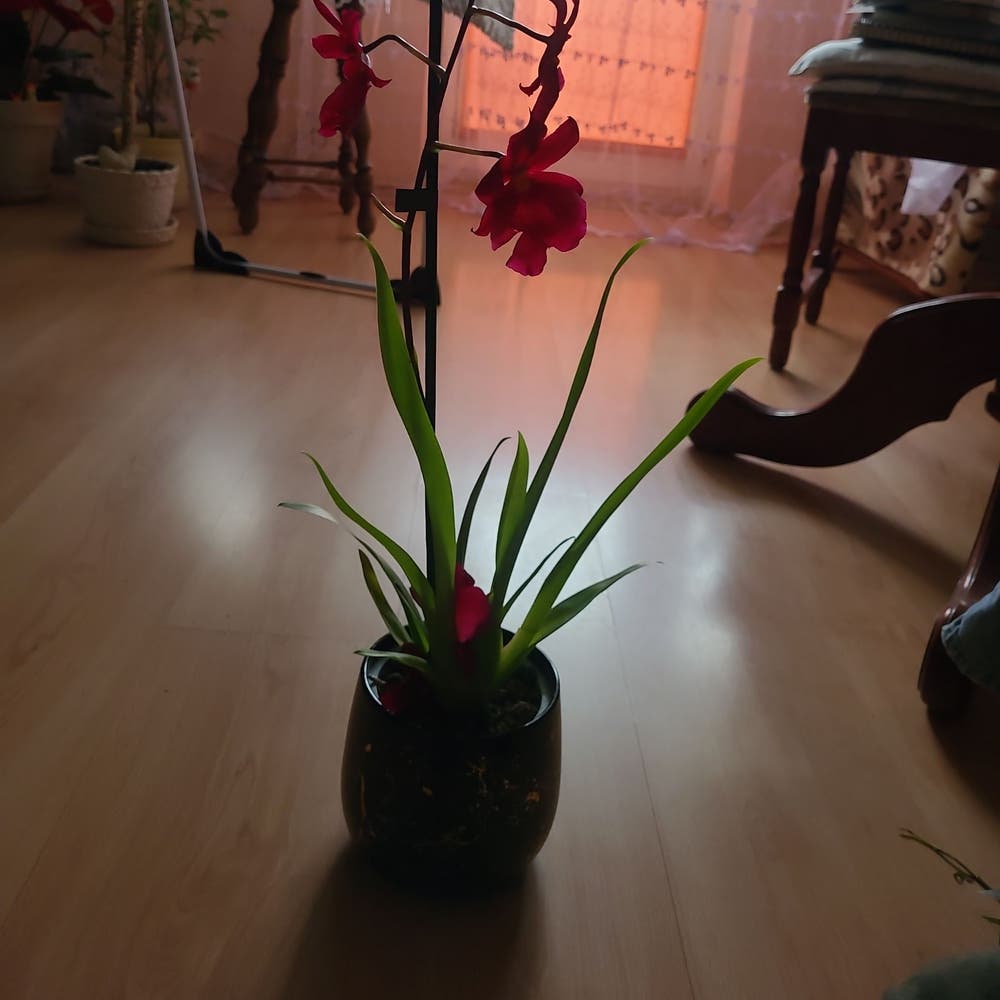
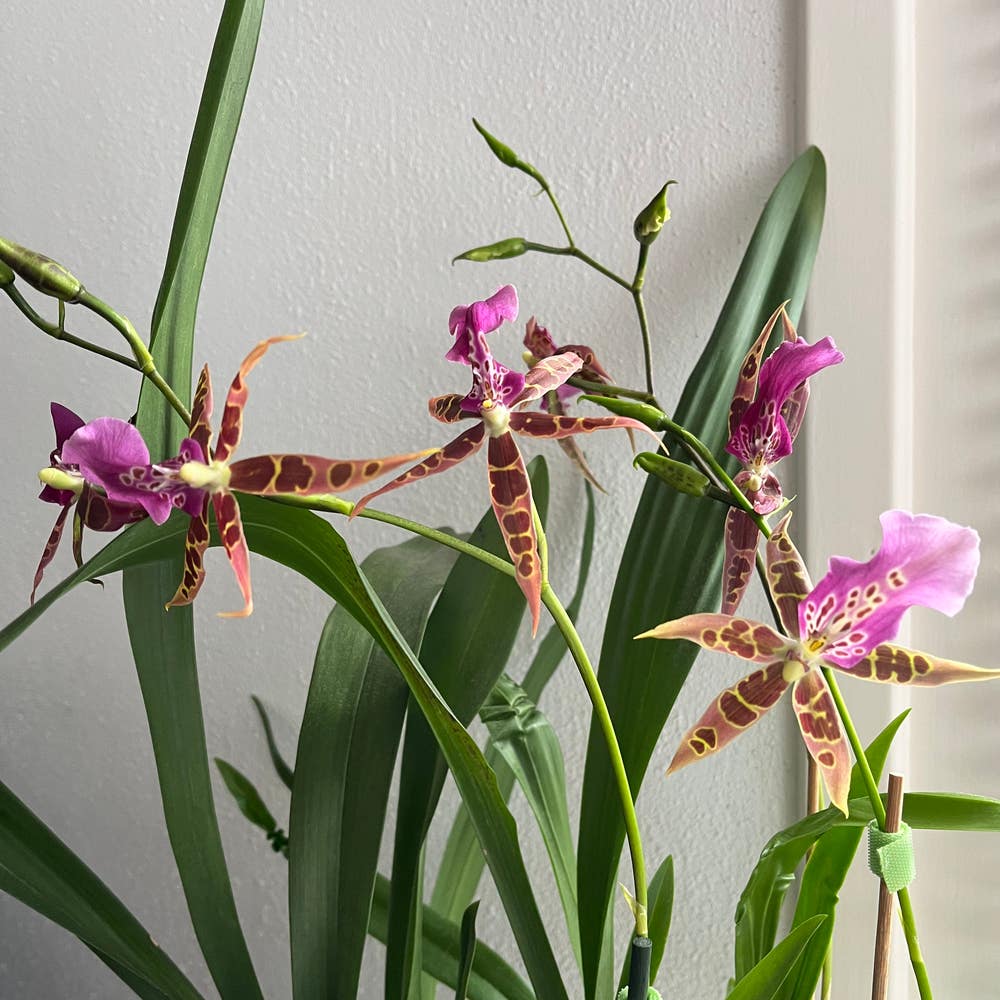
🌞 Managing Direct Sunlight for Your Zygopetalum
Zygopetalum spp.
By the Greg Editorial Team
Nov 23, 2024•4 min read
This article was created with the help of AI so we can cover more plants for you. May contain errors. See one? Report it here.
- 🌞 Zygopetalum thrives in bright, indirect light; avoid direct sunlight for best results.
- 🌅 Morning sun is gentle; limit exposure to prevent yellowing leaves and sunburn.
- 🪴 Window direction matters; east-facing windows are ideal for optimal light conditions.
Zygopetalum's Sunlight Tolerance
🌞 Does Zygopetalum Need Direct Sunlight?
Zygopetalum orchids thrive without direct sunlight. Instead, they prefer bright, indirect light, which promotes optimal growth and vibrant blooms.
☀️ Can Zygopetalum Tolerate Direct Sunlight?
While Zygopetalum can handle some direct sunlight, its tolerance is limited. If direct exposure is unavoidable, morning sun is the best option, as it’s gentler and less likely to cause stress.
🚨 Signs of Too Much Direct Sunlight on Zygopetalum
If your Zygopetalum is getting too much direct sunlight, you might notice yellowing leaves. This is a clear sign of stress, along with brown, crispy edges or spots on the leaves.
Additionally, keep an eye on the flowers. A loss of vibrancy in their colors can indicate that the plant is suffering from excessive light exposure.
Window Direction and Sunlight
🌞 Importance of Window Direction for Zygopetalum
The direction of your windows plays a crucial role in the health of your Zygopetalum.
- South-facing windows receive the most direct sunlight, which can be intense; consider using sheer curtains to filter this light.
- East-facing windows are ideal, offering gentle morning sun that helps your plant thrive without overwhelming it.
- West-facing windows provide intense afternoon sunlight, so be prepared to add some shading to protect your Zygopetalum.
- North-facing windows generally offer indirect light, making them a suitable choice for this orchid.
🌍 How Different Hemispheres Affect Sunlight Exposure
Sunlight exposure varies significantly depending on your hemisphere, impacting how you care for your Zygopetalum.
- In the Northern Hemisphere, the sun is lower in the sky during winter months. This means you might need to adjust your plant's placement to ensure it gets enough light.
- Conversely, in the Southern Hemisphere, sunlight tends to be more intense year-round. It's wise to consider shading options to prevent your Zygopetalum from getting scorched.
Understanding these factors will help you create the perfect environment for your Zygopetalum, ensuring it flourishes.
Next, we’ll explore how seasonal changes affect sunlight intensity and what adjustments you can make to keep your plant healthy throughout the year.
Seasonal Considerations
🌞 Seasonal Changes in Sunlight Intensity
As the seasons shift, so does the intensity of sunlight your Zygopetalum receives. In spring and summer, the sunlight becomes more intense, so it's crucial to keep an eye on your plant for any signs of stress.
In contrast, fall and winter bring a decrease in sunlight. During these months, you may need to reposition your Zygopetalum to ensure it gets enough light for healthy growth.
🌤️ Adjusting Zygopetalum Care with Seasonal Sunlight Variations
With changing light conditions, it's essential to adjust your care routine. Start by modifying your watering and humidity levels based on the light exposure your plant is receiving.
Additionally, consider rotating your Zygopetalum regularly. This practice helps ensure even light distribution, promoting balanced growth and vibrant blooms throughout the year.
By staying attuned to these seasonal changes, you can keep your Zygopetalum thriving and looking its best. Next, let’s explore common issues related to sunlight exposure and how to manage them effectively.
Common Issues Related to Sunlight
🌞 Sunburn and Leaf Damage
Zygopetalum can suffer from sunburn, which manifests as brown, crispy patches on the leaves. To prevent this, consider using sheer curtains to filter harsh sunlight or relocating the plant to a less intense light area.
🍃 Leaf Color Changes Due to Light Exposure
If you notice yellowing leaves, it’s a clear sign that your Zygopetalum is getting too much direct sunlight. Conversely, dark green leaves may indicate insufficient light, prompting you to adjust its placement for better exposure.
🛠️ Solutions for Managing Excessive Sunlight
To manage excessive sunlight, you can use blinds or sheer curtains to diffuse the light effectively. Alternatively, relocating your Zygopetalum to a more suitable window or area can help it thrive without the stress of harsh rays.
By keeping an eye on these common issues, you can ensure your Zygopetalum remains healthy and vibrant. Next, let’s explore how seasonal changes impact sunlight intensity and what adjustments you can make for optimal care.
⚠️ Safety First
This content is for general information and may contain errors, omissions, or outdated details. It is not medical, veterinary advice, or an endorsement of therapeutic claims.
Always consult a qualified healthcare professional before using any plant as food, medicine, or supplement.
Never eat any plant (or feed one to pets) without confirming its identity with at least two trusted sources.
If you suspect poisoning, call Poison Control (800) 222-1222, the Pet Poison Helpline (800) 213-6680, or your local emergency service immediately.
Spotted an error? Please report it here.
Ensure your Zygopetalum enjoys perfect light conditions 🌞 by using Greg's tailored reminders to adjust its placement and care throughout the seasons!