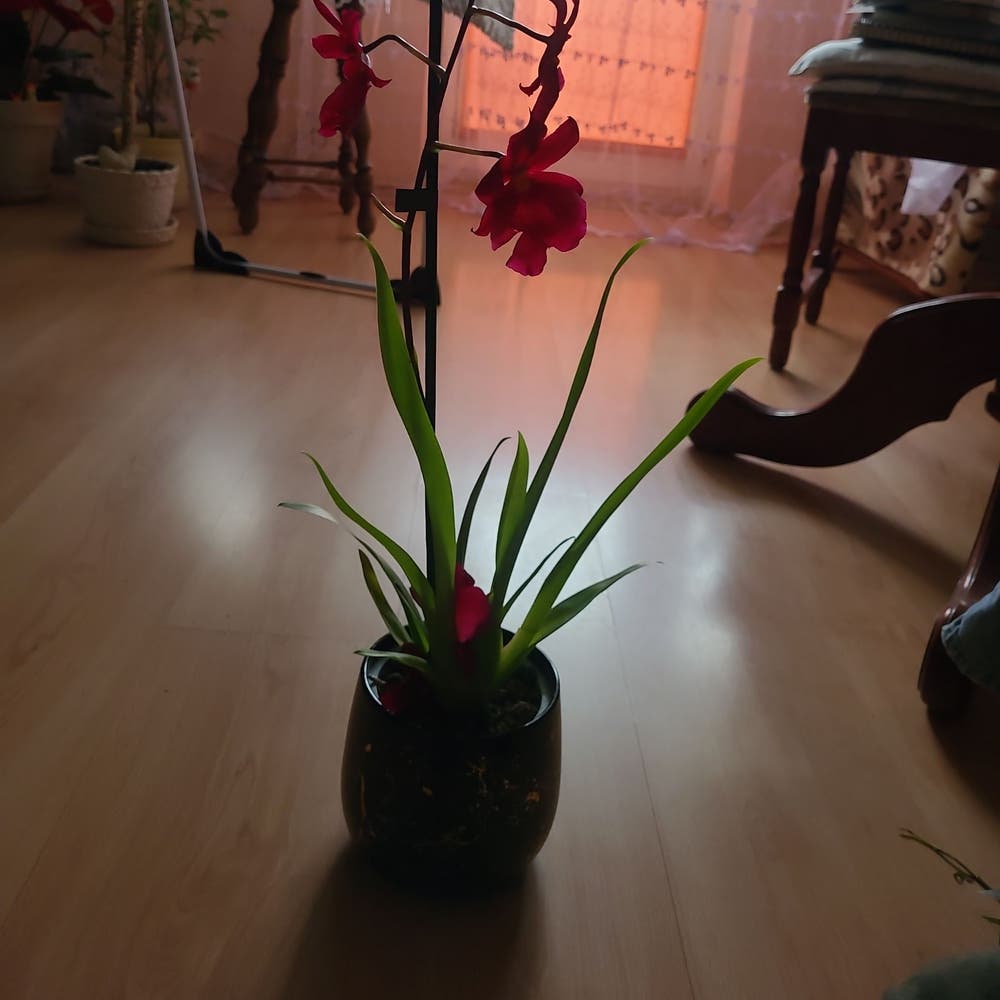
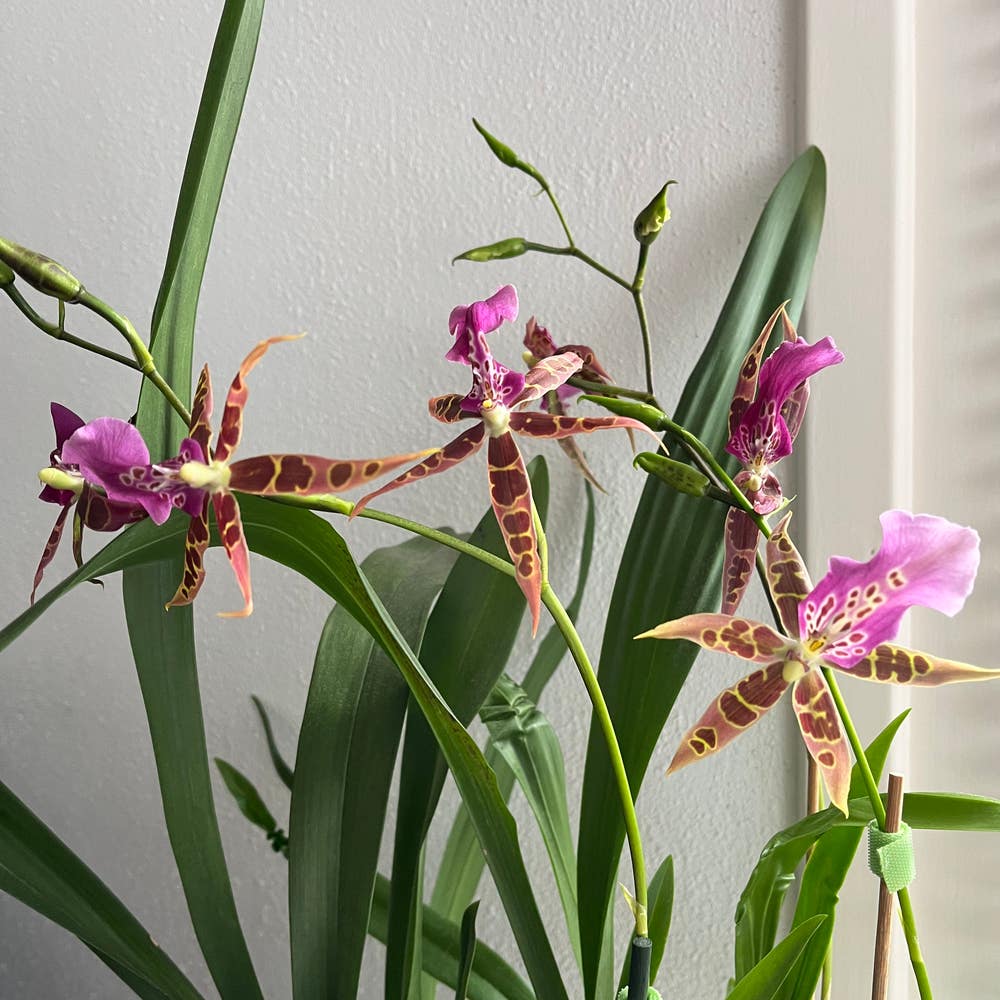
5 Factors Affecting Zygopetalum Flowering 🌸
Zygopetalum spp.
By the Greg Editorial Team
Nov 23, 2024•5 min read
This article was created with the help of AI so we can cover more plants for you. May contain errors. See one? Report it here.
- 💡 Bright, indirect light is crucial for Zygopetalum to bloom beautifully.
- 🌱 Balanced fertilizers with proper NPK ratios promote vibrant flowers and healthy growth.
- 🌡️ Maintain 20°C to 30°C temperatures and 50%-70% humidity for optimal flowering.
Light Requirements
Importance of Light for Flowering 🌼
Zygopetalum orchids flourish in bright, indirect light, which is crucial for their blooming success. Adequate light intensity not only promotes healthy foliage but also triggers the bloom cycle, ensuring vibrant flowers.
Effects of Insufficient or Excessive Light 🌞
Insufficient light can lead to stunted growth and a disappointing lack of blooms. If you notice these symptoms, consider relocating your plant to a brighter spot or supplementing with grow lights.
On the flip side, excessive light can cause leaf burn and faded flower colors. To remedy this, provide shade or move your Zygopetalum to an area with less intense light exposure.
Understanding the light requirements of your Zygopetalum is essential for encouraging robust flowering. With the right balance, you can enjoy a stunning display of blooms that truly showcases the beauty of this unique orchid.
Next, let’s explore the nutritional needs that further support the flowering process.
Nutritional Needs
🌼 Role of Fertilizers in Flower Development
Balanced fertilizers are crucial for the vibrant flowering of Zygopetalum orchids. They provide essential nutrients that support healthy growth and prolific blooms.
For optimal bloom production, look for fertilizers with specific NPK (Nitrogen, Phosphorus, Potassium) ratios. A common recommendation is a balanced ratio of 30-10-10 during the growing season, which promotes lush foliage and abundant flowers.
🚨 Signs of Nutrient Deficiency Affecting Blooms
Nutrient deficiencies can significantly impact the health and flowering of your Zygopetalum.
- Nitrogen deficiency manifests as yellowing leaves and stunted growth, indicating the plant lacks the necessary nutrients for robust development.
- Phosphorus deficiency leads to reduced flowering and can cause buds to drop prematurely, signaling that your plant isn't getting enough of this critical nutrient.
To remedy these issues, adjust your fertilization schedule. Use fertilizers that cater to the specific deficiencies, ensuring your Zygopetalum receives the nutrients it craves for stunning blooms.
Understanding and addressing these nutritional needs will set the stage for a flourishing Zygopetalum. Next, we’ll explore how pruning techniques can further enhance flowering potential.
Pruning Techniques
🌸 How Pruning Impacts Flowering
Pruning is a vital practice for Zygopetalum care, as it encourages new growth and enhances blooming potential. By strategically trimming the plant, you can stimulate the development of fresh shoots that are more likely to produce vibrant flowers.
Timing is crucial when it comes to pruning. It's best to prune after the flowering period has ended, allowing the plant to focus its energy on recovery and new growth.
✂️ Best Practices for Pruning
To effectively prune your Zygopetalum, you'll need a few essential tools. Start with clean, sharp pruning shears to make precise cuts without damaging the plant.
- When to Prune: Always wait until after flowering has finished to avoid disrupting the bloom cycle.
- Techniques:
- Remove any dead or yellowing leaves to promote overall plant health.
- Trim back spent flower spikes; this encourages the plant to redirect its energy towards new growth.
By following these best practices, you can ensure your Zygopetalum remains healthy and ready to bloom beautifully in the next cycle.
As you refine your pruning skills, you'll find that the right techniques can make a significant difference in your plant's flowering success. Next, let's explore the environmental conditions that play a crucial role in Zygopetalum flowering.
Environmental Conditions
Ideal Temperature and Humidity Levels 🌡️
Zygopetalum orchids flourish best in a temperature range of 20°C to 30°C (68°F to 86°F). Maintaining this optimal temperature is crucial for promoting vibrant blooms.
Humidity also plays a significant role in their health. Aim for a humidity level between 50% and 70% to ensure your Zygopetalum thrives and produces stunning flowers.
Impact of Seasonal Changes on Flowering 🌦️
Seasonal variations can significantly influence the bloom cycle of Zygopetalum. As temperatures fluctuate and daylight hours change, your care routine may need adjustments to keep your plant flourishing.
For instance, during colder months, you might need to provide additional warmth or humidity. Staying attuned to these seasonal shifts will help maintain your orchid's flowering potential throughout the year.
Incorporating these environmental considerations will set the stage for a thriving Zygopetalum, leading us to explore common flowering problems next.
Common Flowering Problems
🌸 Failure to Bloom: Potential Causes and Solutions
Zygopetalum orchids can sometimes be stubborn when it comes to blooming. The most common culprits are inadequate light and improper fertilization.
To encourage those vibrant flowers, start by adjusting the light exposure. Ensure your plant receives bright, indirect light, and review your fertilization practices to provide balanced nutrients.
🌱 Premature Flower Drop: Identifying Triggers and Remedies
Experiencing premature flower drop can be disheartening. This issue often arises from stress due to environmental changes or over-fertilization.
To remedy this, stabilize the environmental conditions around your plant. Reducing fertilizer application can also help alleviate stress and support healthy blooms.
🌼 Abnormal Flower Development: Causes and Corrective Measures
Sometimes, you might notice abnormal flower development, which can stem from genetic factors or environmental stressors.
To address this, ensure your Zygopetalum is receiving optimal care conditions. Regularly monitor for pests or diseases, as these can also impact flower quality.
By understanding these common flowering problems, you can take proactive steps to ensure your Zygopetalum thrives and produces beautiful blooms. Next, let’s explore how environmental conditions play a crucial role in flowering success.
⚠️ Safety First
This content is for general information and may contain errors, omissions, or outdated details. It is not medical, veterinary advice, or an endorsement of therapeutic claims.
Always consult a qualified healthcare professional before using any plant as food, medicine, or supplement.
Never eat any plant (or feed one to pets) without confirming its identity with at least two trusted sources.
If you suspect poisoning, call Poison Control (800) 222-1222, the Pet Poison Helpline (800) 213-6680, or your local emergency service immediately.
Spotted an error? Please report it here.
Unlock the secret to vibrant blooms 🌼 by mastering Zygopetalum care with Greg's personalized reminders and expert tips tailored just for your orchids!