🌸 Why Zygopetalum Is Not an Annual
Zygopetalum spp.
By the Greg Editorial Team
Nov 23, 2024•5 min read
This article was created with the help of AI so we can cover more plants for you. May contain errors. See one? Report it here.
- 🌱 Zygopetalum is a perennial, thriving due to its genetic resilience and nutrient storage.
- 🌼 Understanding its lifecycle helps gardeners provide optimal care for lasting beauty.
- 🌍 Environmental factors influence growth; proper conditions ensure Zygopetalum flourishes year after year.
Zygopetalum as a Perennial
🌱 Genetic Characteristics
Zygopetalum's classification as a perennial is deeply rooted in its genetic makeup. Specific genes contribute to its longevity and resilience, allowing it to thrive year after year.
These genetic traits enable Zygopetalum to adapt to various environmental conditions, ensuring its survival and growth over time. This genetic foundation is what sets it apart from annual plants, which complete their life cycle in a single season.
🌿 Physiological Traits Supporting Perennial Growth
One of the standout features of Zygopetalum is its development of pseudobulbs. These structures act as reservoirs for nutrients and water, crucial for sustaining the plant during dry periods.
Additionally, Zygopetalum has a robust root system that supports long-term growth. This adaptation allows the plant to anchor itself securely while accessing essential resources from the soil.
⏳ Long-Term Lifecycle of Zygopetalum
Zygopetalum undergoes a fascinating lifecycle that includes several stages: germination, vegetative growth, flowering, and dormancy. Each phase plays a vital role in the plant's overall health and longevity.
In optimal conditions, Zygopetalum can live for many years, showcasing its perennial nature. Understanding this lifecycle helps gardeners appreciate the plant's resilience and the care it requires throughout its life.
As we delve deeper into the growth and reproductive strategies of Zygopetalum, we can uncover how these traits contribute to its success in various environments.
Growth and Reproductive Strategies
Growth Patterns of Zygopetalum 🌱
Zygopetalum exhibits two primary growth habits: clumping and spreading. Clumping varieties form dense clusters, creating a lush appearance, while spreading types extend their reach, filling more space in the garden.
Seasonal growth variations significantly influence these patterns. During warmer months, Zygopetalum thrives, showcasing vigorous growth, while cooler temperatures may slow down its development. Understanding these dynamics helps gardeners anticipate changes and plan accordingly.
Flowering Cycles and Seed Production 🌸
The flowering cycles of Zygopetalum are closely tied to seasonal patterns. Typically, these orchids bloom in response to specific environmental triggers, such as temperature changes and light availability.
Once flowering occurs, Zygopetalum produces seeds that are dispersed through various strategies. This can include wind or water, ensuring that new plants can establish themselves in suitable locations. By recognizing these cycles, gardeners can optimize conditions for blooming and seed production, enhancing the overall health of their plants.
As we explore the misconceptions surrounding Zygopetalum, it’s essential to understand how environmental factors can influence its classification and care.
Misconceptions and Exceptions
🌡️ Conditions Leading to Misclassification
Zygopetalum orchids are often misclassified as annuals due to extreme environmental conditions. High temperatures and humidity can stress these plants, leading to poor growth and premature die-off.
Care practices also play a significant role in this misclassification. If gardeners fail to provide adequate care, such as proper watering and fertilization, Zygopetalum may not thrive, reinforcing the misconception that they are short-lived.
🌍 Regional Variations Affecting Classification
Geographic factors heavily influence the growth and classification of Zygopetalum. In regions with harsh winters or prolonged droughts, these orchids may struggle to survive as perennials.
Certain areas may not provide the ideal conditions for Zygopetalum, making them appear more like annuals. Understanding these regional variations is crucial for successful cultivation and appreciation of this resilient plant.
As we delve deeper into the growth and reproductive strategies of Zygopetalum, we can uncover how these factors contribute to their perennial nature.
Garden Design and Planning
🌺 Advantages of Incorporating Zygopetalum
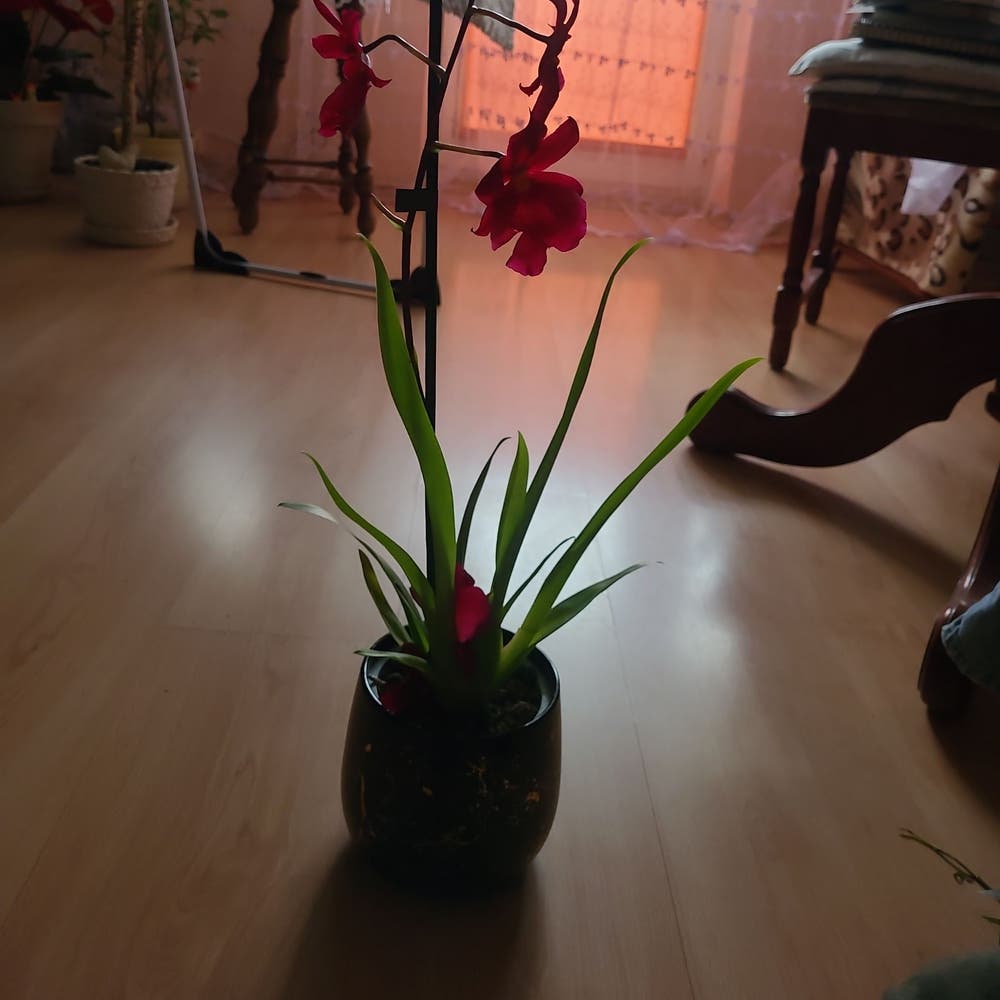
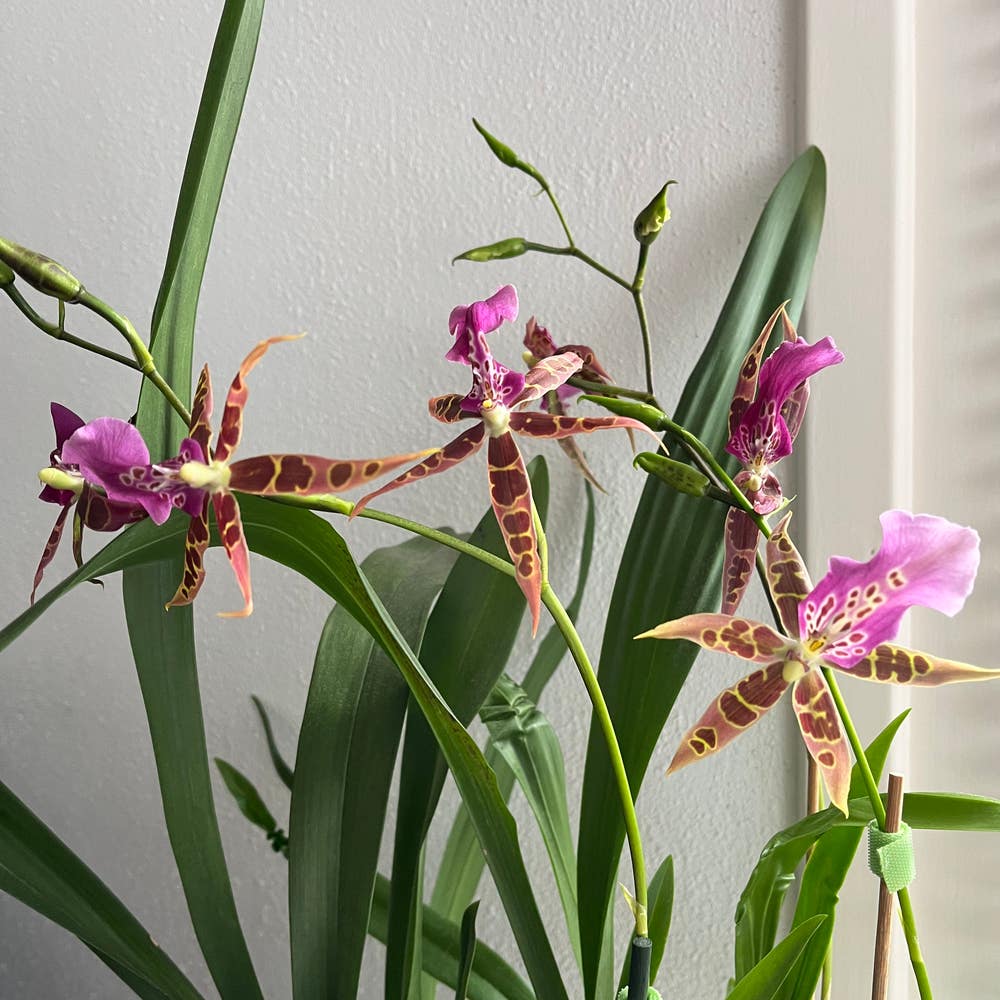
Zygopetalum orchids bring a unique aesthetic to any garden, showcasing vibrant colors and intricate patterns. Their exotic appearance enhances garden diversity, making them a focal point that draws the eye.
Beyond beauty, these orchids contribute to local biodiversity. They attract pollinators like bees and butterflies, supporting a healthy ecosystem in your garden.
🌱 Tips for Maximizing Longevity in Garden Design
To ensure Zygopetalum thrives, pay attention to ideal planting conditions. They prefer well-draining soil rich in organic matter, along with bright, indirect light.
Moisture is crucial, but avoid overwatering. A consistent moisture level helps maintain their health without risking root rot.
Companion planting can also enhance their longevity. Pair Zygopetalum with other perennials that share similar care requirements, creating a harmonious garden environment.
By following these tips, you can create a thriving garden that showcases the beauty of Zygopetalum while supporting its long-term growth.
Transitioning from garden design, let’s explore effective management tips to keep your Zygopetalum flourishing year after year.
Management Tips for Zygopetalum
🌱 Best Practices for Caring as a Perennial
To ensure your Zygopetalum thrives as a perennial, proper watering is crucial. Keep the soil consistently moist but not soggy, as overwatering can lead to root rot.
Fertilization is another key aspect of care. Use a balanced orchid fertilizer every 4-6 weeks during the growing season to promote robust growth and vibrant blooms.
🌸 Seasonal Considerations for Management
Spring is a vital time for Zygopetalum care. As temperatures rise, focus on providing adequate light and moisture to stimulate growth and prepare for flowering.
In the fall, shift your attention to dormancy preparation. Reduce watering and protect your plant from harsh winter conditions to ensure it emerges healthy in the spring.
By following these management tips, you can enjoy the beauty of Zygopetalum in your garden for years to come. Next, let’s explore the advantages of incorporating this stunning orchid into your garden design.
⚠️ Safety First
This content is for general information and may contain errors, omissions, or outdated details. It is not medical, veterinary advice, or an endorsement of therapeutic claims.
Always consult a qualified healthcare professional before using any plant as food, medicine, or supplement.
Never eat any plant (or feed one to pets) without confirming its identity with at least two trusted sources.
If you suspect poisoning, call Poison Control (800) 222-1222, the Pet Poison Helpline (800) 213-6680, or your local emergency service immediately.
Spotted an error? Please report it here.
Unlock the perennial beauty of Zygopetalum 🌺 by using Greg's tailored watering plans and reminders to keep your orchids thriving year after year!