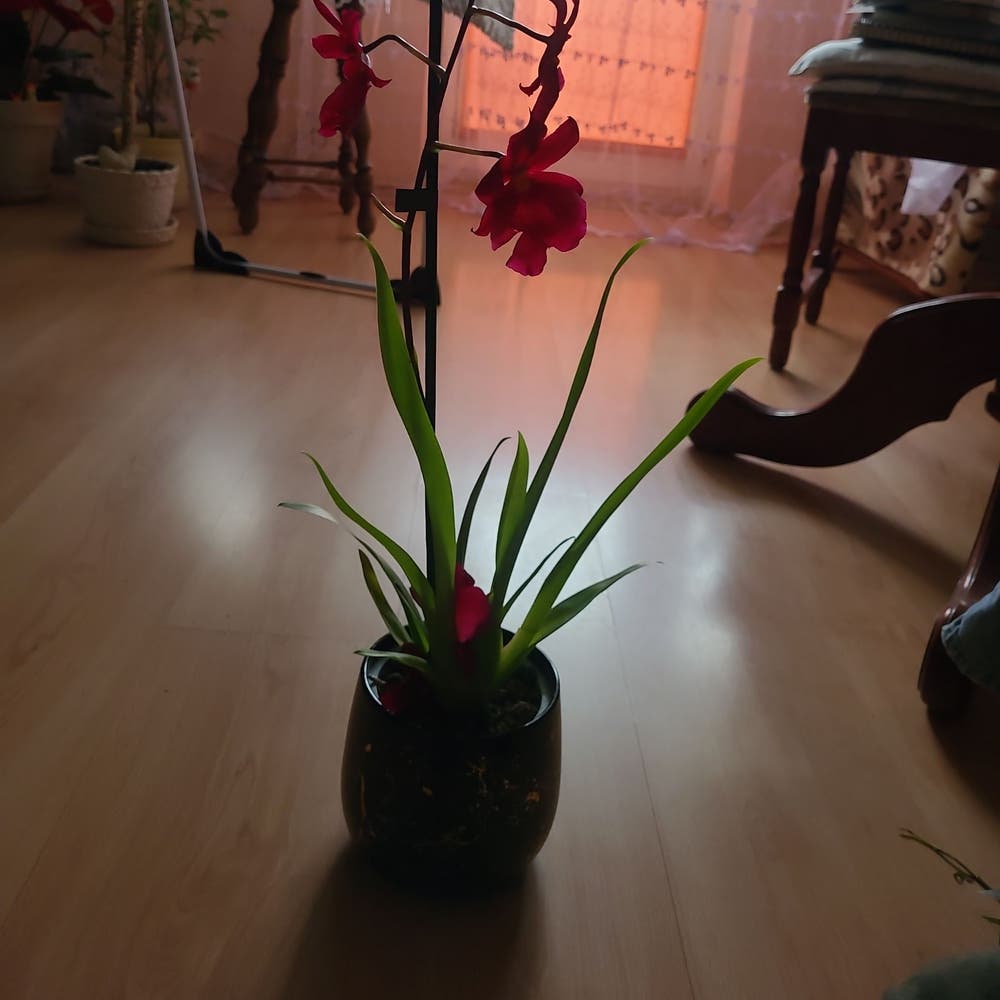
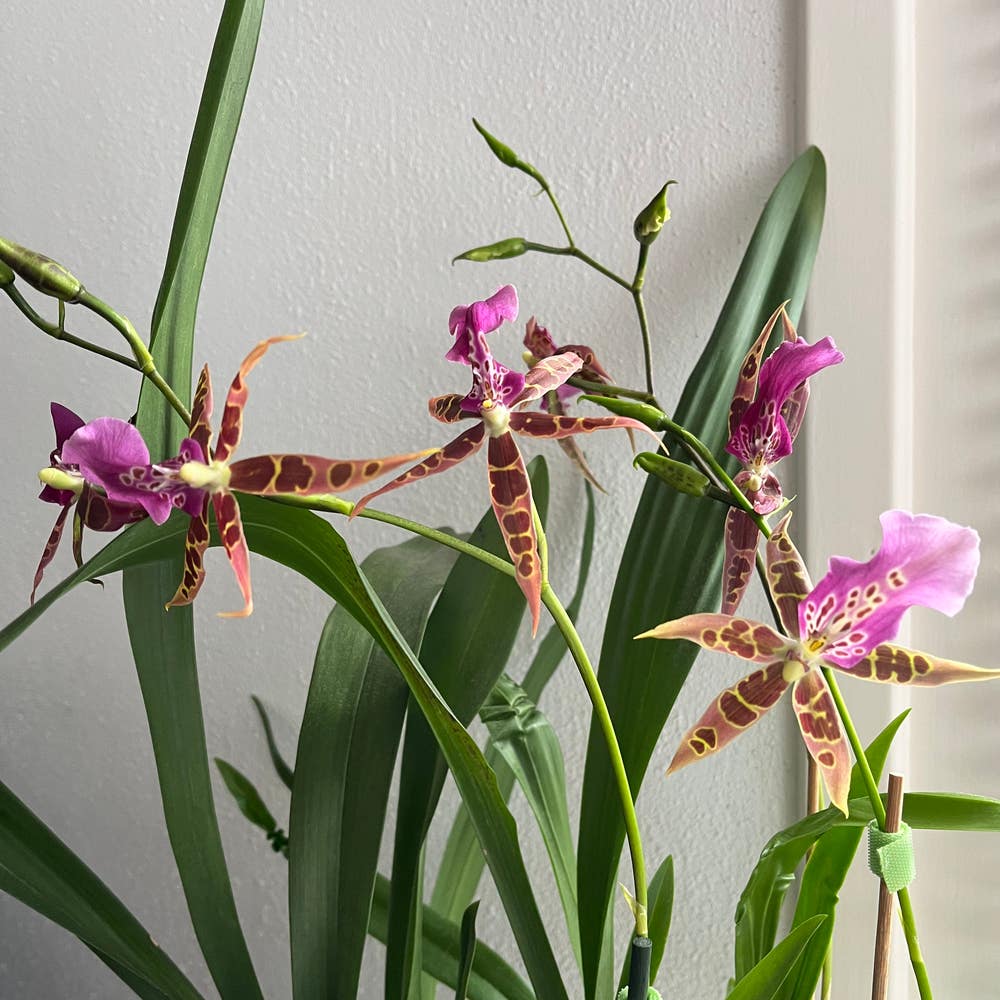
Why Zygopetalum Is A Perennial Plant
Zygopetalum spp.
By the Greg Editorial Team
Nov 23, 2024•7 min read
This article was created with the help of AI so we can cover more plants for you. May contain errors. See one? Report it here.
- 🌱 Zygopetalum is a perennial, thriving for years with proper care and conditions.
- 🌼 Multiple blooms throughout its lifecycle enhance garden appeal and reduce replanting efforts.
- 🌞💧 Optimal light and humidity are crucial for vibrant growth and flowering success.
Characteristics that Classify Zygopetalum as Perennial
🌱 Multi-Year Lifecycle and Growth Patterns
Zygopetalum exhibits a fascinating multi-year lifecycle, characterized by distinct growth phases. During the warmer months, it enters an active growth phase, where lush foliage and vibrant blooms emerge.
As temperatures drop, Zygopetalum transitions into a dormancy phase. This period is marked by a reduction in growth and the shedding of leaves, allowing the plant to conserve energy.
Ability to Regrow from Roots Each Year
One of the standout features of Zygopetalum is its robust root system. This adaptation enables the plant to survive harsh conditions and regrow each year, making it a true perennial.
When compared to other perennial plants, Zygopetalum's ability to thrive from its roots showcases its resilience and adaptability. This characteristic is essential for gardeners looking for low-maintenance, long-lasting plants.
🌼 Flowering Cycles and Patterns
Zygopetalum is known for its impressive flowering frequency. Throughout its lifecycle, it can produce multiple blooms, delighting gardeners with its colorful displays.
However, several conditions influence this flowering, including light exposure, humidity, and temperature. Understanding these factors can help you create the ideal environment for your Zygopetalum to flourish.
Lifespan of Zygopetalum
In optimal conditions, Zygopetalum can enjoy a healthy lifespan, often exceeding several years. However, various factors can either extend or shorten this lifespan.
Proper care, including adequate watering and appropriate light, plays a crucial role in ensuring your Zygopetalum thrives. By paying attention to these details, you can maximize the longevity of your plant and enjoy its beauty for years to come.
As we delve deeper into the topic, the next section will explore the dormancy and seasonal changes that affect Zygopetalum's growth and flowering cycles.
Dormancy and Seasonal Changes
Description of Dormancy Periods 🌱
Zygopetalum experiences dormancy as a natural part of its lifecycle. This phase typically occurs in response to seasonal changes, with cooler temperatures triggering a slowdown in growth.
During dormancy, you'll notice signs like leaf drop and reduced growth. These indicators signal that the plant is conserving energy and preparing for the next active growth phase.
Seasonal Changes in Zygopetalum 🌦️
Caring for Zygopetalum requires adjustments based on its seasonal changes. During dormancy, it's essential to reduce watering and avoid fertilizing, allowing the plant to rest.
In contrast, during active growth, Zygopetalum thrives with increased humidity and light. Understanding these environmental conditions is crucial for maintaining a healthy plant.
Impact of Dormancy on Growth and Flowering 🌸
Dormancy plays a significant role in the subsequent growth and flowering cycles of Zygopetalum. A well-managed dormancy period can lead to more vibrant blooms and robust growth when the plant awakens.
To effectively manage dormancy, ensure that the plant is in a suitable environment. Monitor temperature and humidity levels to support a smooth transition into the active growth phase.
By recognizing and adapting to these seasonal changes, you can help your Zygopetalum flourish year after year. This understanding sets the stage for exploring the advantages of its perennial nature in the next section.
Advantages of Perennial Nature for Gardeners
🌱 Benefits of Reduced Replanting
One of the most appealing aspects of Zygopetalum is its cost-effectiveness. By investing in these perennial plants, gardeners enjoy the convenience of established blooms returning year after year without the hassle of replanting.
This not only saves money but also reduces the time and effort spent on garden maintenance. Imagine a garden that flourishes with minimal intervention—Zygopetalum makes that possible.
🌳 Importance of Established Root Systems
The robust root systems of Zygopetalum play a crucial role in nutrient uptake and stability. Unlike annual plants, which often have shallow roots, Zygopetalum develops deep, extensive roots that anchor the plant and allow it to thrive in various conditions.
These established roots also help the plant access water and nutrients more efficiently, leading to healthier growth and more vibrant flowers. This advantage is a game-changer for gardeners looking to cultivate a resilient garden.
📈 Long-Term Cultivation Strategies
To maximize the benefits of Zygopetalum's perennial nature, gardeners should adopt specific cultivation techniques. Regular monitoring of soil health and moisture levels is essential to ensure the plant's longevity.
Additionally, providing proper care—such as appropriate fertilization and seasonal adjustments—can significantly enhance the plant's health and flowering potential. By prioritizing these strategies, gardeners can enjoy the beauty of Zygopetalum for many years to come.
As we explore the lifespan and longevity factors of Zygopetalum, understanding how to nurture these plants will further enrich your gardening experience.
Lifespan and Longevity Factors
🕰️ Expected Lifespan of Zygopetalum
Zygopetalum orchids can thrive for several years, often reaching an average lifespan of 5 to 10 years under optimal conditions. However, this lifespan can vary significantly based on the care they receive and the environment in which they are grown.
🔑 Factors Influencing Longevity
Several key factors play a crucial role in determining how long your Zygopetalum will flourish.
- Watering Practices: Overwatering can lead to root rot, while underwatering can stress the plant. Finding the right balance is essential.
- Light Exposure: Zygopetalum thrives in bright, indirect light. Too much direct sunlight can scorch the leaves, while too little can hinder growth.
- Humidity Levels: These orchids prefer higher humidity, ideally between 50-70%. Low humidity can lead to poor growth and reduced flowering.
Pests and diseases also pose a threat to longevity. Regular monitoring and prompt action can help mitigate these risks.
🌍 Variations in Behavior Across Climate Zones
Zygopetalum's growth and flowering patterns can vary widely depending on the climate zone. In warmer, humid climates, these orchids may bloom more frequently and grow vigorously.
Conversely, in cooler or drier regions, they may experience slower growth and fewer blooms.
To ensure your Zygopetalum thrives, consider the following care recommendations based on climate:
- Warm Climates: Provide ample shade during the hottest part of the day and maintain consistent humidity.
- Cool Climates: Protect from frost and ensure adequate indoor warmth during winter months.
Understanding these factors can help you maximize the lifespan and beauty of your Zygopetalum, ensuring it remains a vibrant part of your garden for years to come.
As we explore the advantages of Zygopetalum's perennial nature, you'll discover how its longevity benefits gardeners in practical ways.
Maximizing Perennial Benefits
🌱 Tips for Garden Planning with Zygopetalum
When planning your garden, consider the ideal planting locations for Zygopetalum. These plants thrive in bright, indirect light and prefer a humid environment, so placing them near a window or in a greenhouse can work wonders.
Companion planting can also enhance the growth of Zygopetalum. Pairing them with moisture-loving plants can create a supportive ecosystem, ensuring they receive the right humidity and nutrients.
⏳ Long-Term Cultivation Techniques
To maintain the health and vigor of your Zygopetalum over the years, establish a consistent care routine. Regularly check for signs of stress, such as wilting or discoloration, and adjust your care accordingly.
Seasonal care adjustments are crucial. During the active growth phase, increase watering and fertilization, while reducing these during dormancy to prevent root rot.
🏥 Best Practices for Maintaining Health and Vigor
Monitoring environmental conditions is key to Zygopetalum's success. Keep an eye on temperature and humidity levels to ensure they remain within the plant's preferred range.
Tailor your fertilization and watering schedules to meet Zygopetalum's specific needs. A balanced fertilizer applied during the growing season can boost growth, while careful watering prevents over-saturation.
By following these guidelines, you can maximize the benefits of Zygopetalum's perennial nature, ensuring a vibrant and flourishing garden year after year. Next, let’s explore the expected lifespan and factors influencing longevity for these resilient plants.
⚠️ Safety First
This content is for general information and may contain errors, omissions, or outdated details. It is not medical, veterinary advice, or an endorsement of therapeutic claims.
Always consult a qualified healthcare professional before using any plant as food, medicine, or supplement.
Never eat any plant (or feed one to pets) without confirming its identity with at least two trusted sources.
If you suspect poisoning, call Poison Control (800) 222-1222, the Pet Poison Helpline (800) 213-6680, or your local emergency service immediately.
Spotted an error? Please report it here.
Keep your Zygopetalum thriving 🌼 with Greg's personalized care tips and watering reminders, ensuring vibrant blooms for years to come!