🌸 Attracting Pollinators to Your Zygopetalum
Zygopetalum spp.
By the Greg Editorial Team
Nov 23, 2024•7 min read
This article was created with the help of AI so we can cover more plants for you. May contain errors. See one? Report it here.
- 🌸 Zygopetalum flowers attract bees, butterflies, and hummingbirds with vibrant colors and scents.
- 🌱 Creating a pollinator-friendly garden boosts biodiversity and supports local ecosystems.
- 🐝 Hand pollination ensures reproduction when natural pollinators are scarce, enhancing fertilization success.
Flower Structure
🌸 Description of Flower Shape, Color, and Arrangement
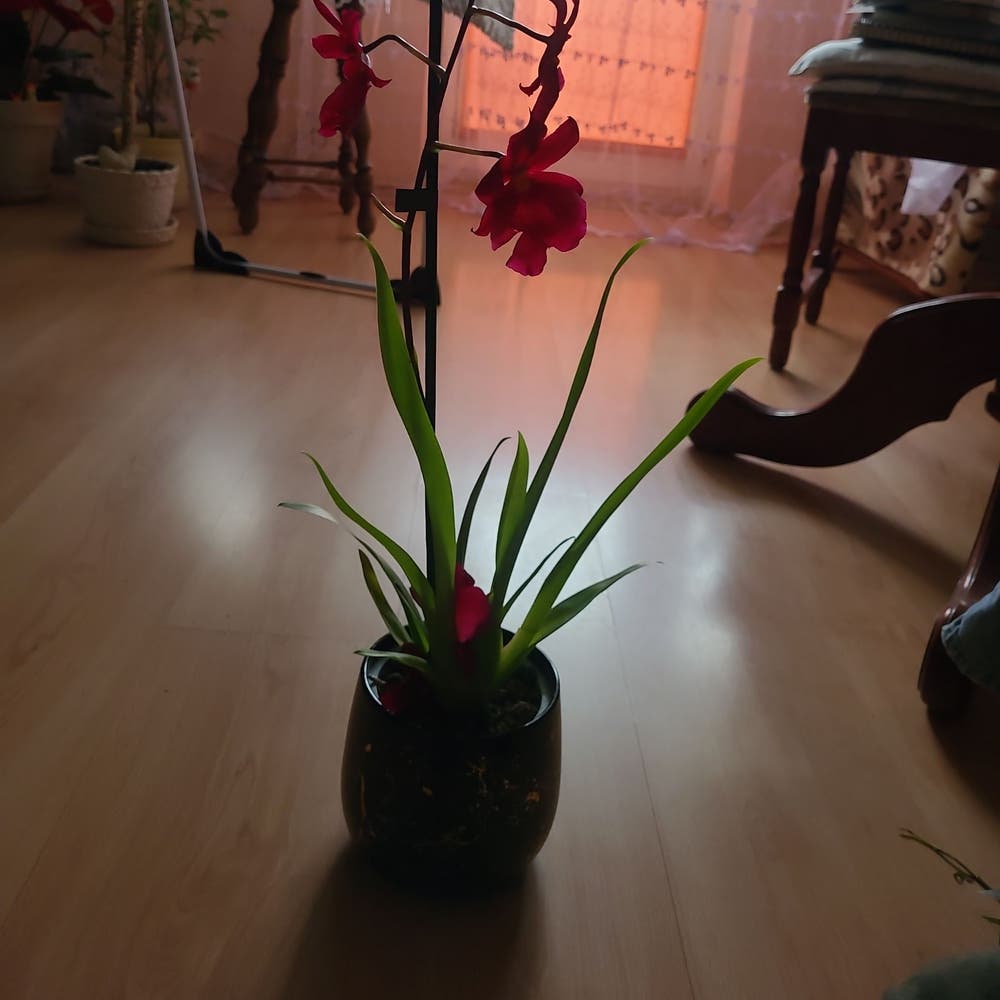
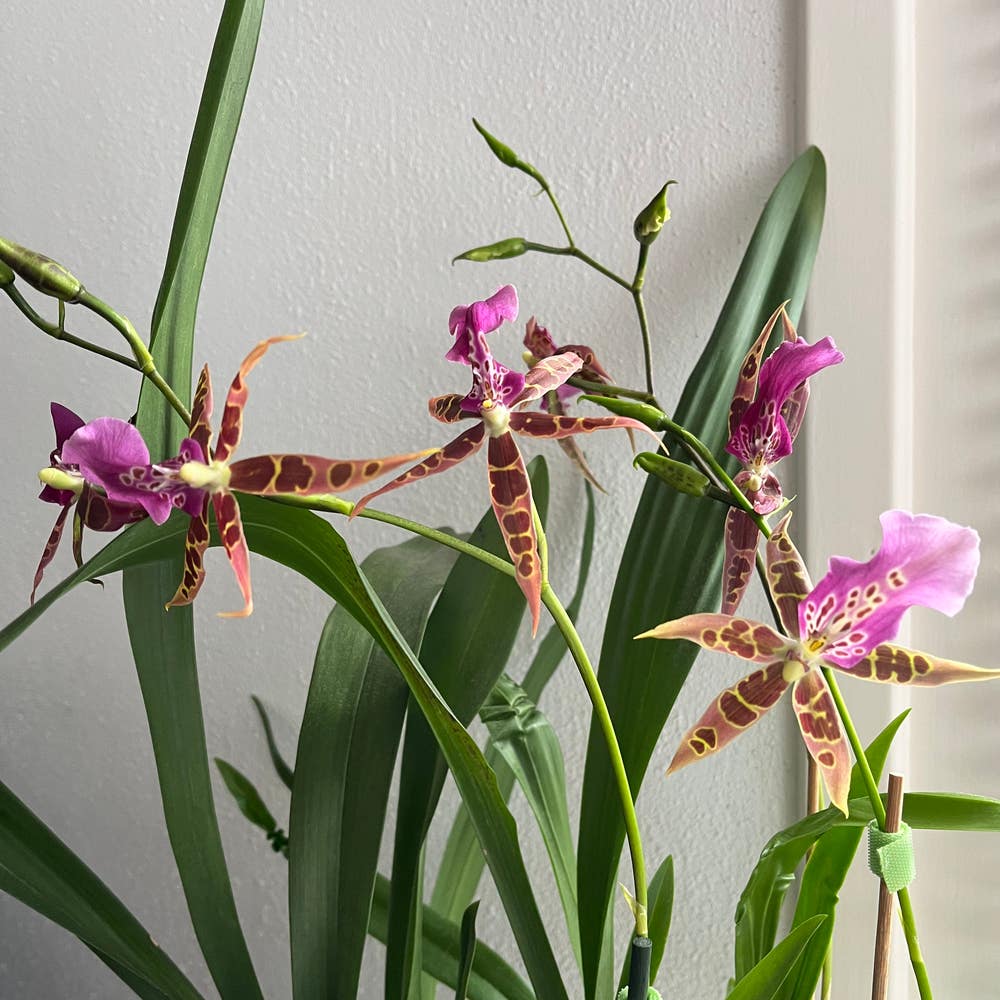
Zygopetalum flowers are a stunning display of nature's artistry, featuring a complex arrangement of petals and sepals. Typically, these flowers showcase three petals and three sepals, with one petal transformed into a lip, or labellum, that plays a crucial role in attracting pollinators.
The color variations of Zygopetalum are equally captivating. Common hues include vibrant purples, sunny yellows, and pristine whites, often adorned with intricate patterns that enhance their visual appeal. This combination of shape and color not only makes them a delight to behold but also serves a vital purpose in the pollination process.
🐝 Role of Flower Structure in Pollination
The unique structure of Zygopetalum flowers facilitates self-pollination, allowing pollen transfer within the same flower. This mechanism ensures that even in the absence of external pollinators, the plant can still reproduce effectively.
However, Zygopetalum also encourages cross-pollination, which is essential for genetic diversity. The flower's design attracts specific pollinator species, enhancing the likelihood of successful reproduction and contributing to a healthier ecosystem. Understanding these dynamics is key to appreciating the intricate relationships between plants and their pollinators.
In summary, the flower structure of Zygopetalum is not just a visual marvel; it plays a fundamental role in both self-pollination and attracting external pollinators. This dual functionality underscores the importance of flower morphology in the broader context of plant reproduction and biodiversity.
As we delve deeper into the pollination process, we'll explore how these flowers interact with their primary pollinators and the strategies they employ to attract them.
Pollination Process
🌱 Self-Pollination and Cross-Pollination
Zygopetalum orchids have a fascinating ability to self-pollinate. This process allows them to produce seeds without the need for external pollinators, ensuring reproduction even in less favorable conditions.
However, cross-pollination plays a crucial role in enhancing genetic diversity. By attracting different pollinators, Zygopetalum can mix genetic material, leading to healthier and more resilient plants.
🐝 Identification of Primary Pollinators
Several key pollinators are drawn to Zygopetalum flowers, including bees, butterflies, moths, and hummingbirds. Each of these species has unique interactions with the flowers that facilitate effective pollination.
For instance, bees are particularly attracted to the vibrant colors and scents, while butterflies and moths are drawn in by the floral structure and nectar rewards. Hummingbirds, with their rapid wing beats, can access nectar deep within the flower, ensuring pollen transfer occurs.
🌸 How Zygopetalum Attracts Pollinators
Zygopetalum employs a variety of strategies to attract its pollinators. One of the most significant is its floral scent, which can be sweet and enticing, drawing in creatures from afar.
In addition to fragrance, the bright colors and intricate patterns of the flowers serve as visual cues. These elements create a striking display that beckons pollinators to visit.
Lastly, the production of nectar is a powerful incentive. By offering this sugary reward, Zygopetalum encourages frequent visits from pollinators, ensuring a successful pollination process.
As we explore the next section, we'll delve into the practical steps for hand-pollinating Zygopetalum, ensuring that you can assist in their reproduction when necessary.
Hand Pollination
Hand pollination can be a rewarding way to ensure your Zygopetalum flowers thrive. This method allows you to take control of the pollination process, especially when natural pollinators are scarce.
🌼 Step-by-Step Instructions for Hand-Pollinating Zygopetalum
1. Identifying Male and Female Flower Parts
Understanding the anatomy of Zygopetalum flowers is crucial. Each flower typically features three petals and three sepals, with one modified petal acting as a lip (labellum) that attracts pollinators.
2. Collecting Pollen
Gathering pollen from the anther is the next step. Use a small brush or a cotton swab to gently collect the pollen, ensuring you have enough for effective transfer.
3. Transferring Pollen
Now, it’s time to apply the pollen to the stigma. Carefully touch the stigma with your brush or swab, ensuring that the pollen makes contact for successful fertilization.
4. Timing
Timing is everything in hand pollination. The best times to perform this task are early in the morning or late in the afternoon when the flowers are fully open and receptive.
By following these steps, you can enhance the chances of successful fertilization in your Zygopetalum. This hands-on approach not only supports your plants but also deepens your connection to the gardening process.
As you master hand pollination, you’ll be better equipped to create a thriving environment for your Zygopetalum and its pollinators. Next, let’s explore how to create a pollinator-friendly environment that supports these essential creatures.
Supporting Pollinators
🌼 Creating a Pollinator-Friendly Environment
To attract pollinators to your Zygopetalum, start by creating a welcoming environment. Essential elements include providing food, shelter, and water sources.
- Food: Plant a variety of flowering plants that bloom at different times to ensure a continuous food supply.
- Shelter: Incorporate native plants and shrubs that offer refuge for pollinators.
- Water: Provide shallow water sources, like birdbaths or small ponds, to keep pollinators hydrated.
Implementing these strategies will encourage a thriving pollinator population in your garden.
🌱 Planting Strategies
Diversity is key when it comes to planting strategies. Incorporate a mix of flowering plants to attract various pollinator species.
- Native Plants: Choose plants native to your area, as they are more likely to attract local pollinators.
- Seasonal Blooms: Select plants that flower at different times throughout the year for year-round pollinator support.
- Color Variety: Bright colors and varied shapes can draw in a wider range of pollinators.
By creating a diverse and colorful garden, you'll not only attract pollinators but also enhance the beauty of your space.
🌸 Companion Plants
Companion planting can significantly boost your garden's pollinator activity. Consider adding plants like marigolds and lavender, which are known to attract bees and butterflies.
- Marigolds: Their vibrant colors and scent are irresistible to many pollinators.
- Lavender: This fragrant herb not only attracts pollinators but also adds a lovely aroma to your garden.
🌿 Benefits of Companion Planting
The benefits of companion planting extend beyond just attracting pollinators. By incorporating these plants, you can enhance the overall pollinator population in your garden.
- Biodiversity: A diverse plant community supports a wider range of pollinators, promoting ecological balance.
- Pest Control: Some companion plants can deter pests, reducing the need for chemical interventions.
Creating a pollinator-friendly environment through thoughtful planting and companion strategies will lead to a flourishing garden ecosystem.
As you nurture your Zygopetalum and its pollinator friends, you'll be contributing to a healthier environment. Next, let’s explore the challenges that can arise in the pollination process and how to overcome them.
Pollination Challenges
Common Obstacles to Successful Pollination 🌧️
Pollination can be hindered by various environmental factors. Temperature fluctuations and humidity levels significantly impact the activity of pollinators and the viability of pollen.
Another challenge is the lack of pollinators in the area. Factors such as habitat loss, pesticide use, and climate change can lead to reduced pollinator populations, making it difficult for Zygopetalum to achieve successful pollination.
Solutions for Overcoming Challenges 🌼
To improve pollinator access, consider creating habitats that support these essential creatures. Planting native flowers, providing shelter, and reducing pesticide use can make your garden a haven for pollinators.
Seasonal variations also play a role in pollination success. Understanding how different seasons affect pollinator behavior can help you adapt your gardening strategies, ensuring that your Zygopetalum flowers attract the right visitors year-round.
By addressing these challenges, you can enhance the pollination process and contribute to a healthier ecosystem. This proactive approach not only benefits your plants but also supports the vital work of pollinators in our environment.
⚠️ Safety First
This content is for general information and may contain errors, omissions, or outdated details. It is not medical, veterinary advice, or an endorsement of therapeutic claims.
Always consult a qualified healthcare professional before using any plant as food, medicine, or supplement.
Never eat any plant (or feed one to pets) without confirming its identity with at least two trusted sources.
If you suspect poisoning, call Poison Control (800) 222-1222, the Pet Poison Helpline (800) 213-6680, or your local emergency service immediately.
Spotted an error? Please report it here.
Boost your Zygopetalum's allure to pollinators 🌼 by using Greg's tailored care reminders to cultivate a vibrant garden that supports these vital creatures!