Lifespan of Zygopetalum 🌸
Zygopetalum spp.
By the Greg Editorial Team
Nov 23, 2024•6 min read
This article was created with the help of AI so we can cover more plants for you. May contain errors. See one? Report it here.
- 🌱 Zygopetalum seeds germinate in 2-4 weeks with proper temperature and humidity.
- 🌼 Full life cycle takes 2-3 years, from seed to blooming Zygopetalum.
- 💡 Bright, indirect light is essential for healthy growth and flowering.
Germination Stage
🌱 Duration of Germination
The germination period for Zygopetalum seeds typically spans 2 to 4 weeks. This timeframe can vary based on several factors, including temperature, humidity, and the viability of the seeds.
🌡️ Conditions for Successful Germination
To ensure successful germination, maintaining the right conditions is crucial.
Optimal Temperature
Aim for a temperature range of 20°C to 25°C (68°F to 77°F). This warmth encourages the seeds to sprout effectively.
💧 Humidity Requirements
Humidity levels should be kept between 60% and 80%. This moisture is vital for seed development.
☀️ Light Exposure
Provide indirect light to the seeds. Direct sunlight can be too harsh and may hinder germination.
🌿 Growing Medium
Use a sterile, well-draining orchid mix or sphagnum moss as the growing medium. This helps prevent rot and provides the necessary aeration for the seeds.
By ensuring these conditions are met, you set the stage for healthy germination and a thriving Zygopetalum plant. As the seeds begin to sprout, they transition into the next stage of growth, which is equally exciting and essential for their development.
Seedling Stage
Duration of Seedling Growth 🌱
The seedling stage of Zygopetalum typically lasts between 6 to 12 months. This duration can vary based on environmental conditions and the care practices you implement.
Key Characteristics of Seedlings 🌿
During this stage, you'll notice the development of initial leaves. These leaves are small and thin, emerging from the base of the plant.
As the seedlings grow, they begin to form adventitious roots. These roots anchor the plant, providing stability and support.
By the end of the seedling stage, you can expect your seedlings to reach a height of about 3 to 6 inches. This growth marks an exciting milestone in their development.
Understanding the seedling stage is crucial for nurturing your Zygopetalum. With the right conditions and care, you can help your seedlings thrive as they transition to the next growth phase.
Next, we will explore the vegetative growth stage, where your plants will continue to develop and mature.
Vegetative Growth Stage
Duration of Vegetative Growth 🌱
The vegetative growth stage of Zygopetalum typically lasts between 1 to 2 years. This duration can vary significantly based on several factors, including nutrient availability, light conditions, and watering practices.
Changes in Plant Structure and Health 🏗️
During this stage, one of the most notable developments is the formation of pseudobulbs. These structures act as vital storage organs, helping the plant retain nutrients and water.
Leaf Growth 🍃
As the plant matures, you'll notice the leaves thickening and elongating. This enhancement in leaf structure is crucial for maximizing photosynthesis, which fuels the plant's growth.
Overall Health 💪
With proper care, Zygopetalum exhibits increased vigor and resilience. A healthy plant is better equipped to fend off pests and diseases, ensuring a robust growth trajectory.
As we transition from the vegetative growth stage, the next phase focuses on the flowering stage, where all the nurturing pays off with beautiful blooms.
Flowering Stage
🌸 Duration of Flowering
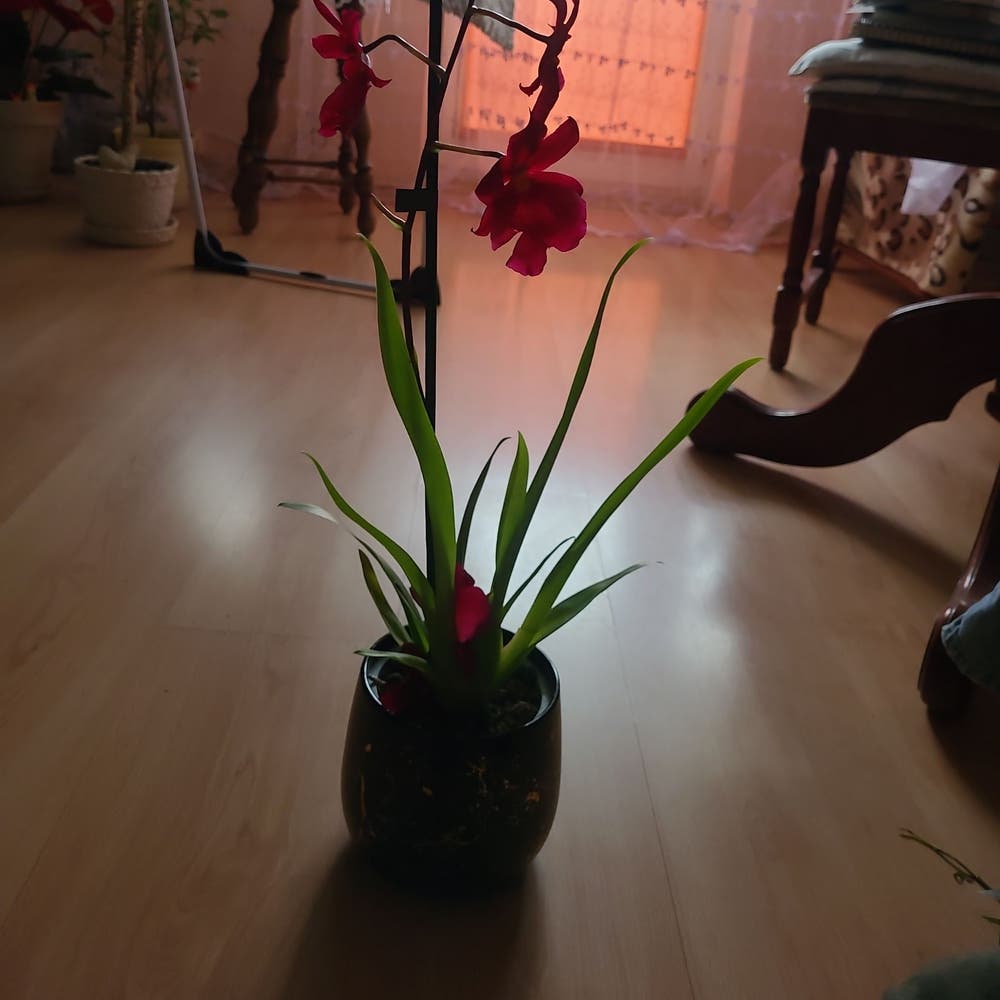
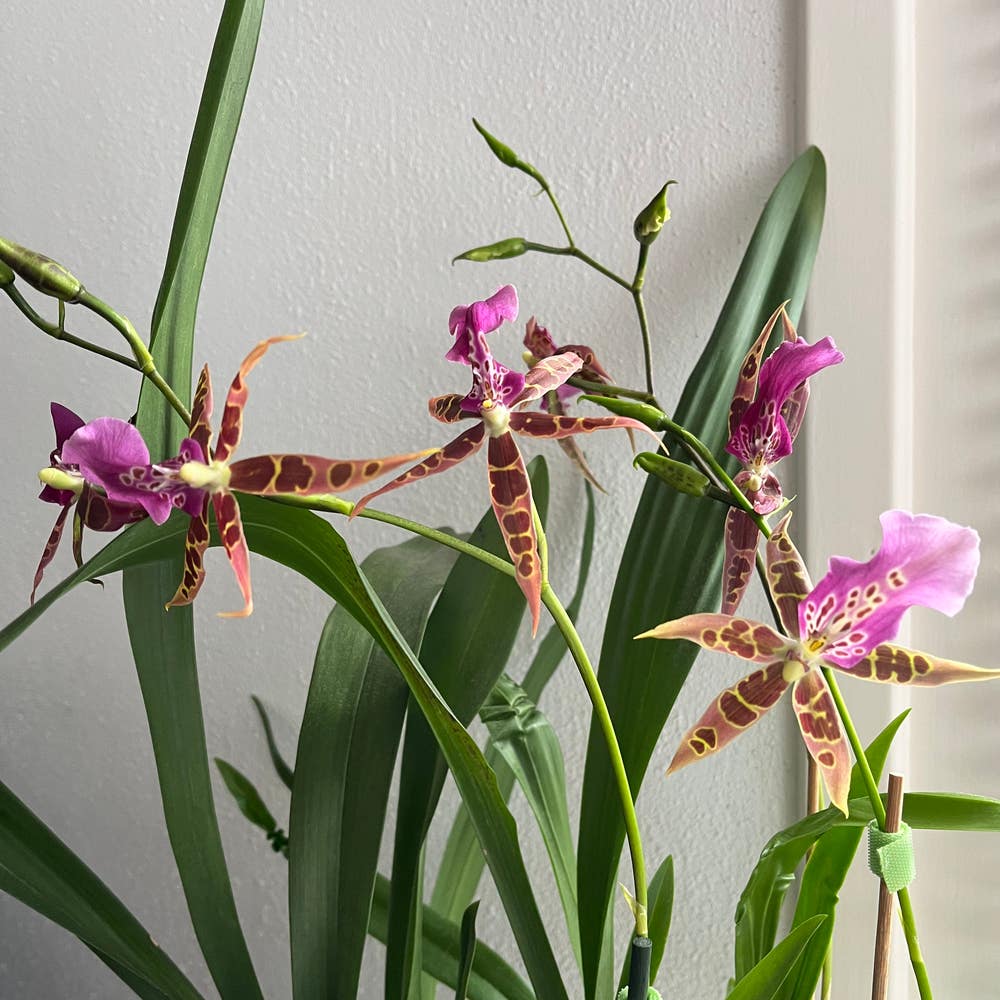
The flowering period for Zygopetalum typically lasts between 4 to 8 weeks. Depending on your care practices and environmental conditions, these stunning orchids can bloom once or even twice a year.
🌱 Factors Influencing Flowering
💡 Light Requirements
To encourage blooming, Zygopetalum thrives in bright, indirect light. Direct sunlight can scorch the leaves, so it's essential to find that sweet spot.
🌡️ Temperature Fluctuations
A drop in temperature at night can be a game-changer for flowering. This natural fluctuation mimics the orchid's native habitat and signals it to prepare for blooming.
🍽️ Nutrient Availability
Balanced fertilization during the growing season is crucial. Providing the right nutrients helps support the plant's energy needs as it gears up for its beautiful display.
Understanding these factors can significantly enhance your success in cultivating Zygopetalum. With the right conditions, you’ll be rewarded with vibrant blooms that brighten any space.
As you nurture your orchids through the flowering stage, keep an eye on the subsequent seed production stage, where the cycle of life continues.
Seed Production Stage
🌱 Duration and Process of Seed Production
The seed production stage for Zygopetalum typically spans 3 to 6 months after flowering. This process begins with pollination, which triggers the formation of seed pods that will mature over time.
Once the pods are fully developed, they eventually release seeds into the environment. This natural cycle is crucial for the continuation of the species.
🌍 Importance of Seed Production in the Life Cycle
Seed production plays a vital role in maintaining genetic diversity within the Zygopetalum population. Through sexual reproduction, these plants can adapt to changing environments and resist diseases.
Additionally, seeds offer significant propagation potential. They can be used for cultivating new plants or even for hybridization, allowing enthusiasts to explore unique varieties.
Understanding this stage not only highlights the beauty of plant reproduction but also emphasizes the importance of nurturing these processes for future generations.
As we transition to the next stage, let's explore how Zygopetalum grows and matures over time.
Growth Rate and Maturation
How Long Until Fully Grown? 🌱
The journey from seed to flowering Zygopetalum takes about 2-3 years. This timeframe can fluctuate based on the care provided and environmental conditions.
How Fast Does It Grow? 🚀
Under optimal conditions, Zygopetalum exhibits a moderate growth rate, typically reaching 6-12 inches per year. Factors such as light intensity, temperature, humidity, and nutrient availability play crucial roles in determining this growth rate.
Notable Changes Throughout the Life Cycle 🌼
As Zygopetalum progresses through its life stages, several physical changes occur. Initially, cotyledons emerge, followed by the development of leaves and roots, which are essential for the plant's stability and nutrient uptake.
As the plant matures, it forms pseudobulbs, which serve as vital storage organs for nutrients and moisture. Eventually, the plant will produce blooms, marking a significant milestone in its life cycle.
Care requirements also evolve as the plant grows. You'll need to adjust watering frequency and fertilization to match its developmental stage.
Moreover, Zygopetalum adapts to its environment over time. For instance, it increases moisture retention in its pseudobulbs and modifies light exposure based on its growth stage and flowering needs.
Understanding these changes can enhance your care approach, ensuring your Zygopetalum thrives throughout its life cycle.
As we explore the next stage, let's dive into the fascinating process of seed production and its significance in the life cycle of Zygopetalum.
⚠️ Safety First
This content is for general information and may contain errors, omissions, or outdated details. It is not medical, veterinary advice, or an endorsement of therapeutic claims.
Always consult a qualified healthcare professional before using any plant as food, medicine, or supplement.
Never eat any plant (or feed one to pets) without confirming its identity with at least two trusted sources.
If you suspect poisoning, call Poison Control (800) 222-1222, the Pet Poison Helpline (800) 213-6680, or your local emergency service immediately.
Spotted an error? Please report it here.
Unlock the secrets of Zygopetalum growth 🌱 with Greg's personalized care tips and reminders, ensuring your orchids flourish from seed to stunning bloom!