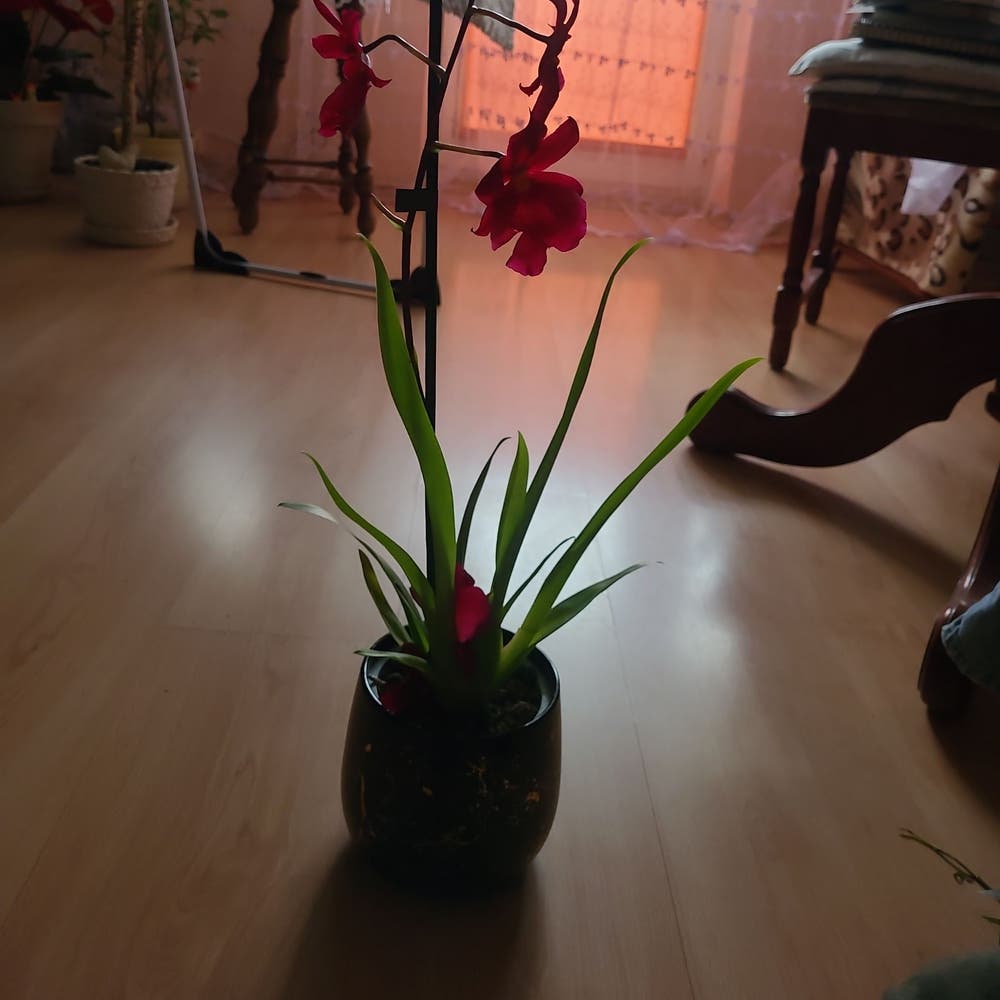
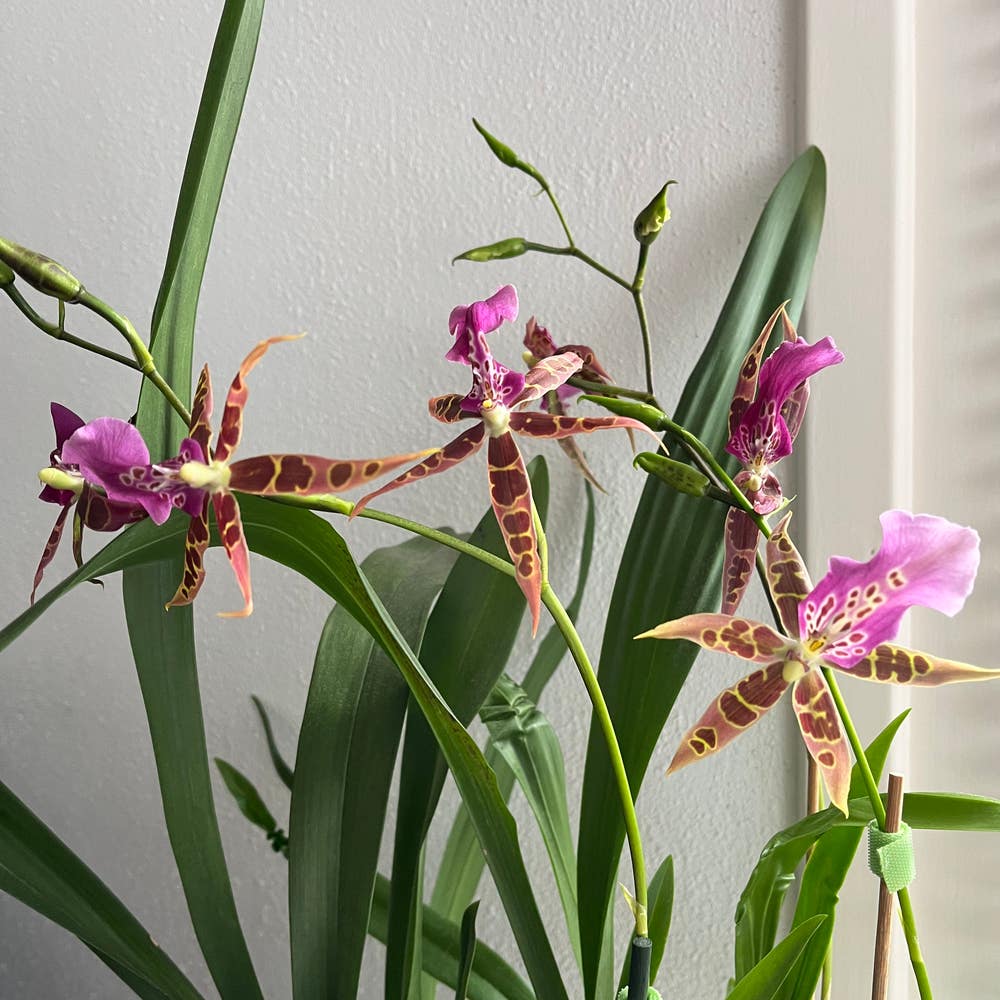
Mature Height of Your Zygopetalum 🌸
Zygopetalum spp.
By the Greg Editorial Team
Nov 23, 2024•5 min read
This article was created with the help of AI so we can cover more plants for you. May contain errors. See one? Report it here.
- 🌱 Zygopetalum orchids grow 6 to 12 inches annually under optimal conditions.
- 💡 Insufficient light stunts growth; ensure bright, indirect light for best results.
- 🌡️ Temperature and humidity are crucial; maintain 65°F-80°F and 50%-70% humidity.
Growth Rate
Typical Growth Rate in Optimal Conditions 🌱
Zygopetalum orchids can grow impressively, averaging about 6 to 12 inches per year under ideal conditions. To achieve this growth, ensure they receive ample light, humidity, and the right temperature.
Growth Rate Variations Based on Environmental Factors 🌦️
Suboptimal light can significantly slow down your Zygopetalum's growth rate. If your plant isn't getting enough light, you might notice stunted growth or leggy stems.
Nutrient availability also plays a crucial role in how quickly your orchid grows. A lack of essential nutrients can lead to slower growth and weaker plants.
Temperature fluctuations can further impact growth. Extreme heat or cold can stress the plant, causing it to halt growth or even decline.
Understanding these factors helps you create the best environment for your Zygopetalum. With the right conditions, you can enjoy a thriving, beautiful orchid that reaches its full potential.
As we move forward, let’s explore how long it typically takes for your Zygopetalum to reach its mature height.
Time to Reach Full Size
Average Time Frame for Maturity 🌱
Zygopetalum orchids typically take about 2 to 3 years to reach their mature height and spread. This timeline can vary significantly depending on the specific species and the care practices you implement.
Factors Affecting Time to Maturity ⏳
Several factors can influence how quickly your Zygopetalum matures.
Influence of Pot Size 🪴
The size of the pot plays a crucial role in growth speed. A larger pot allows for more root development, which can accelerate growth.
Environmental Conditions ☀️
Light, humidity, and temperature are vital for optimal growth. Adequate light promotes photosynthesis, while the right humidity and temperature create a conducive environment for healthy development.
Care Practices 🧑🌾
Your care routine, including fertilization and watering frequency, directly impacts growth. Regular feeding and consistent watering can significantly enhance the speed at which your Zygopetalum reaches maturity.
Understanding these factors can help you provide the best conditions for your Zygopetalum, ensuring it thrives and reaches its full potential. Next, we’ll explore the size variability among different Zygopetalum cultivars.
Size Variability
🌱 Discussion of Dwarf Varieties
Dwarf zygopetalum varieties are compact and perfect for smaller spaces. Typically, they reach heights of 6 to 12 inches, making them ideal for tabletop displays or small pots.
These varieties often have a bushy growth habit, producing numerous blooms that add vibrant color without overwhelming your space. Their manageable size allows for easy care and maintenance, making them a favorite among novice orchid enthusiasts.
🌳 Discussion of Giant Varieties
In contrast, giant zygopetalum varieties can tower at heights of 18 to 36 inches or more. These impressive plants are known for their robust growth and striking floral displays.
Giant varieties often require more space and attention, thriving in larger pots or garden settings. Their size can be a stunning focal point in any collection, showcasing the beauty of zygopetalums in full glory.
📏 Comparison of Size Among Different Cultivars
When comparing popular cultivars, size differences can be quite pronounced. For instance, the 'Blue Moon' cultivar is known for its medium stature, while 'Zygo. Pansy' can be significantly larger.
Factors contributing to size variability include genetic traits, growing conditions, and care practices. Understanding these differences can help you choose the right variety for your space and gardening goals.
As you explore the fascinating world of zygopetalums, consider how size impacts not just aesthetics but also care requirements. This knowledge will guide you in selecting the perfect orchid for your collection.
Controlling Size through Pruning
✂️ Techniques for Pruning
Pruning your zygopetalum is essential for managing its size effectively. The recommended method involves cutting back pseudobulbs, which helps control the plant's overall dimensions while promoting healthier growth.
This technique not only keeps your plant in check but also encourages new growth. Regularly assessing your plant's size will guide you in determining how much to prune.
⏰ Timing and Frequency of Pruning
Knowing when to prune is just as crucial as how to prune. The best times to tackle this task are after flowering and before new growth begins, ensuring optimal conditions for recovery.
Aim to prune your zygopetalum every year to maintain your desired size. This routine will help keep your plant healthy and vibrant.
🌱 Impact of Pruning on Growth and Flowering
Pruning significantly affects your zygopetalum's overall health and flowering potential. By removing excess growth, you allow the plant to focus its energy on producing blooms rather than maintaining unnecessary foliage.
However, it's essential to strike a balance between size control and flowering size. Pruning too aggressively can hinder flowering, so always consider the plant's blooming needs when deciding how much to cut back.
In summary, effective pruning techniques, proper timing, and understanding the impact on growth and flowering are key to maintaining your zygopetalum's size. Next, let’s explore the environmental factors that can also influence the size of your plant.
Environmental Factors Affecting Size
🌞 Light Conditions and Their Impact on Size
Optimal light levels are crucial for your zygopetalum's growth. Aim for bright, indirect light to encourage healthy development and vibrant blooms.
Too much direct sunlight can scorch the leaves, while insufficient light may stunt growth. Finding that sweet spot is essential for achieving the best dimensions.
💧 Watering and Nutrient Availability
Consistent watering is vital for maintaining size. Ensure the potting medium remains moist but not soggy to support robust growth.
Nutrient availability also plays a significant role. Regular fertilization with a balanced orchid fertilizer will provide the essential elements your plant needs to thrive.
🌡️ Temperature and Humidity Effects on Growth
The ideal temperature range for zygopetalum growth is between 65°F and 80°F (18°C to 27°C). Staying within this range promotes optimal health and size.
Humidity levels should ideally be between 50% and 70%. Maintaining this humidity will help your plant flourish and reach its full potential.
Understanding these environmental factors will empower you to create the perfect conditions for your zygopetalum. With the right care, your plant can thrive and achieve impressive growth.
⚠️ Safety First
This content is for general information and may contain errors, omissions, or outdated details. It is not medical, veterinary advice, or an endorsement of therapeutic claims.
Always consult a qualified healthcare professional before using any plant as food, medicine, or supplement.
Never eat any plant (or feed one to pets) without confirming its identity with at least two trusted sources.
If you suspect poisoning, call Poison Control (800) 222-1222, the Pet Poison Helpline (800) 213-6680, or your local emergency service immediately.
Spotted an error? Please report it here.
Achieve stunning growth 🌱 for your Zygopetalum orchids by using Greg's tailored care reminders to optimize light, humidity, and temperature for thriving blooms!