🐞 What's Eating Your Red Amaranth
Amaranthus gangeticus
By the Greg Editorial Team
Nov 06, 2024•8 min read
This article was created with the help of AI so we can cover more plants for you. May contain errors. See one? Report it here.
Safeguard your stunning Red Amaranth from herbivores while inviting beneficial wildlife to thrive! 🌱
- 🌱 Red Amaranth attracts herbivores like deer and rabbits due to its tender shoots.
- 🦌 Effective deterrents include fencing, garlic spray, and organic repellents for protection.
- 🐝 Beneficial insects like bees enhance Red Amaranth's health through pollination and pest control.
Description and Appeal
Appearance 🌿
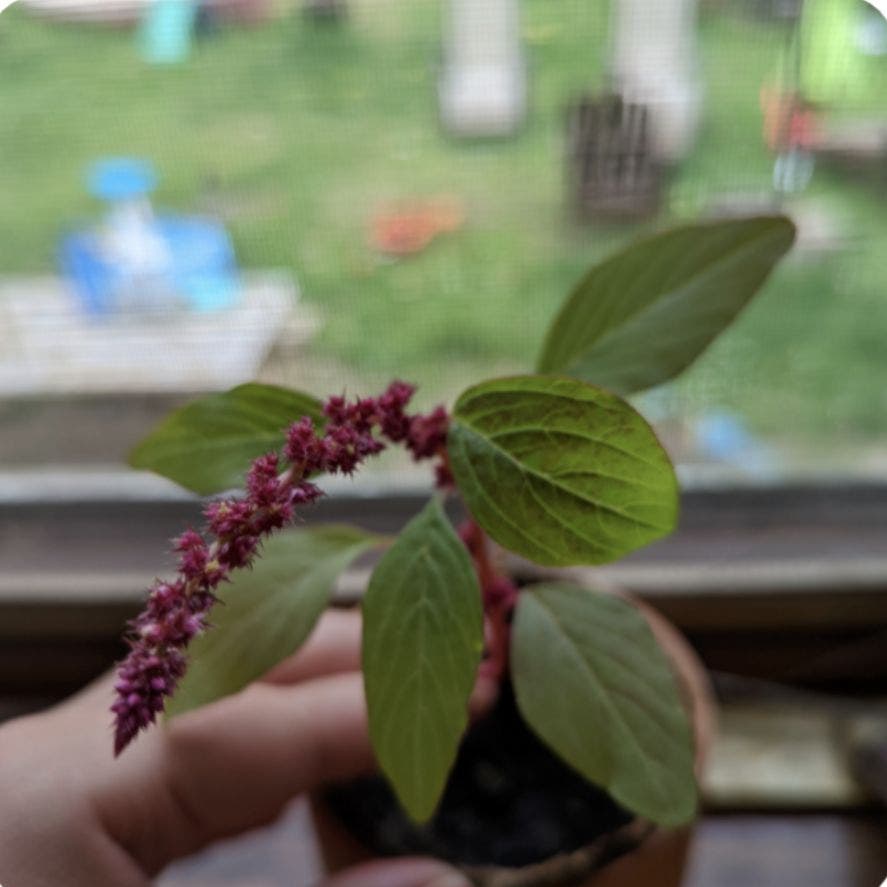
Red Amaranth is a stunning plant that captivates with its vibrant red leaves and attractive flowers. This fast-growing, upright structure typically reaches heights of 2-4 feet and spreads 1-2 feet wide, making it a striking addition to any garden.
Most Appealing Parts to Animals 🐦
The young shoots of Red Amaranth are particularly appealing due to their tender texture and high nutritional value. Additionally, the flowers are rich in nectar, attracting a variety of pollinators and herbivores, while the nutrient-dense seeds draw in birds and rodents alike.
This combination of beauty and nutritional benefits makes Red Amaranth a favorite among both gardeners and wildlife. Understanding its appeal can help you better protect this vibrant plant from potential herbivores.
As we explore the common herbivores that may threaten your Red Amaranth, you'll discover effective strategies to safeguard your garden while appreciating the role these animals play in the ecosystem.
Common Herbivores
🦌 Deer
Signs of Presence
Deer are often the first culprits when it comes to nibbling on your Red Amaranth. Look for distinctive hoof prints in the garden soil and dark, pellet-like droppings near the plants.
Type of Damage Caused
These hungry visitors typically browse on the leaves, stripping them away and leaving behind bare stems. Heavy feeding can also lead to broken stems, severely impacting the plant's health.
Interaction Type
Overall, deer interactions are generally harmful. They can decimate Red Amaranth populations if not managed effectively.
Deterrent Methods
To keep deer at bay, consider installing 8-foot tall fencing around your garden. Alternatively, you can use commercial deer repellents or homemade solutions like garlic spray to deter these grazers.
🐇 Rabbits
Signs of Presence
Rabbits leave their mark with clean cuts on the edges of leaves and small, round droppings scattered around. These signs indicate their presence and potential threat to your plants.
Type of Damage Caused
Rabbits are notorious for grazing on young shoots and lower leaves, causing significant damage. Their feeding habits can severely stunt plant growth, leaving your Red Amaranth vulnerable.
Interaction Type
Like deer, rabbits are generally harmful to your garden. Their appetite can quickly lead to a decline in plant health.
Deterrent Methods
To protect your plants, use netting to cover them and prevent rabbit access. Organic repellents, such as scents from peppermint or cayenne pepper, can also be effective deterrents.
🐿️ Squirrels
Signs of Presence
Squirrels can be identified by chewed stems and disturbed soil around the base of your plants. Their nibbling habits can cause noticeable damage.
Type of Damage Caused
These critters disturb roots through digging and burrowing, which can weaken your plants. They also nibble on leaves and young shoots, further compromising plant health.
Interaction Type
Squirrels are generally harmful as their activities can lead to weakened plants. Managing their presence is crucial for maintaining a healthy garden.
Deterrent Methods
To deter squirrels, consider using scare tactics like reflective objects or noise-makers. Live traps can also be effective for relocation if necessary.
🐦 Birds
Signs of Presence
Look for irregular holes in foliage and nests nearby as signs of bird activity. These indicators can help you assess their impact on your plants.
Type of Damage Caused
Birds can be both beneficial and harmful. They often eat seeds before they mature and can damage tender shoots, affecting your plant's growth.
Interaction Type
Birds can play a dual role in your garden. While they help with pollination, their seed-eating habits can be detrimental to your Red Amaranth.
Deterrent Methods
To protect your plants, use netting to cover them from pecking. Hanging shiny materials can also deter birds effectively.
🐭 Rodents (Mice, Voles)
Signs of Presence
Rodents leave small burrows or trails in the soil and dark pellets near the plant base. These signs indicate their presence and potential threat.
Type of Damage Caused
Rodents can gnaw on roots and stems, leading to significant root damage. Their activities can weaken the plant structure, making it more susceptible to disease.
Interaction Type
Overall, rodents are generally harmful. If not managed, their presence can lead to plant death.
Deterrent Methods
To manage rodents, set snap traps or live traps for removal. Additionally, reducing cover and nesting sites nearby can help deter them.
🦡 Groundhogs/Woodchucks
Signs of Presence
Groundhogs leave large burrows dug in the ground near plants and evidence of extensive grazing. Their presence can be quite noticeable.
Type of Damage Caused
These animals can cause significant loss of foliage and stems through extensive grazing. Their feeding habits can devastate garden areas.
Interaction Type
Groundhogs are generally harmful to your garden. Their appetite can lead to severe damage if not controlled.
Deterrent Methods
To keep groundhogs away, consider strong fencing to prevent access. You can also use commercial or homemade repellents, such as castor oil, to deter them.
In summary, managing common herbivores is essential for the health of your Red Amaranth. By recognizing signs of their presence and implementing effective deterrent methods, you can protect your plants and ensure a thriving garden. Next, let’s explore the beneficial animals that can enhance your garden ecosystem.
Beneficial Animals
🐝 Description of Beneficial Insects
When it comes to your red amaranth, not all visitors are foes. Pollinators like bees and butterflies flock to the vibrant flowers, playing a crucial role in the plant's reproductive success.
Additionally, predatory insects such as ladybugs and lacewings are nature's pest control agents. They feast on harmful insects, helping to maintain a balanced ecosystem in your garden.
🌍 Positive Impacts on the Ecosystem
The presence of these beneficial insects leads to enhanced fruit and seed production. Pollination is vital for the health of your plants, ensuring they thrive and produce abundantly.
Moreover, these predatory insects contribute to natural pest control. By reducing harmful insect populations, they create a healthier environment for your red amaranth to flourish.
Incorporating these beneficial animals into your gardening strategy not only supports your plants but also promotes a thriving ecosystem. Embrace the good while managing the bad, and watch your garden thrive!
General Protection Strategies
🛡️ Preventive Measures
To protect your Red Amaranth from hungry herbivores, consider installing fencing. A sturdy barrier can effectively keep larger animals, like deer, at bay.
Companion planting is another smart strategy. By surrounding your Amaranth with plants that deter pests or attract beneficial insects, you create a natural defense system.
⚠️ Reactive Solutions
When damage occurs, act quickly by removing affected plants. This helps prevent the spread of issues and keeps your garden looking its best.
Using repellents can also provide immediate relief. Both chemical and organic options are available, allowing you to choose what fits your gardening style.
🌱 Balancing Ecosystem Health
It's crucial to encourage beneficial wildlife while managing harmful interactions. Striking this balance can lead to a thriving garden ecosystem.
Understanding the role of herbivores in your local environment is equally important. They can contribute to the ecosystem, so finding ways to coexist can be beneficial for both your plants and the wildlife.
By implementing these strategies, you can create a healthier garden environment that supports both your plants and the local ecosystem.
Seasonal Considerations
Variations in Animal Attraction 🐇
As the seasons change, so does the behavior of the animals that interact with your Red Amaranth. In spring, expect a surge in activity from rabbits and deer, who emerge from winter's grasp, eager to munch on tender new growth.
By summer, the focus shifts to birds, drawn in by the vibrant flowers and nutrient-rich seeds. Their presence can be both a blessing and a curse, as they help with pollination but may also devour seeds before they mature.
Timing of Planting and Protection Strategies ⏰
Timing your planting can make a significant difference in protecting your Red Amaranth. Early planting allows the plants to establish themselves before peak herbivore activity kicks in, giving them a better chance to thrive.
Additionally, seasonal adjustments to your protection methods are crucial. As animal behavior shifts, so should your strategies—whether it's reinforcing barriers or using different repellents to keep your plants safe. Staying proactive ensures your garden remains vibrant and healthy throughout the growing season.
Toxic Effects and Myths
🧪 Discussion of Toxic Effects
Red Amaranth has mild toxicity, which can serve as a double-edged sword in the garden. While some herbivores may be deterred by its chemical makeup, others might find it appealing, leading to a complex interaction with local wildlife.
❓ Addressing Common Misconceptions
It's essential to clarify the role of Red Amaranth in the ecosystem. Many believe that all interactions with herbivores are harmful, but this isn't always the case.
Understanding that not every animal interaction is detrimental can shift your perspective. For instance, while some animals may munch on the leaves, others contribute positively by pollinating the flowers.
This balance highlights the intricate web of life surrounding Red Amaranth, reminding us that nature often finds a way to maintain equilibrium. By appreciating these dynamics, we can cultivate a healthier garden environment.
As we delve deeper into the seasonal considerations affecting Red Amaranth, we can further explore how to navigate these interactions effectively.
⚠️ Safety First
This content is for general information and may contain errors, omissions, or outdated details. It is not medical, veterinary advice, or an endorsement of therapeutic claims.
Always consult a qualified healthcare professional before using any plant as food, medicine, or supplement.
Never eat any plant (or feed one to pets) without confirming its identity with at least two trusted sources.
If you suspect poisoning, call Poison Control (800) 222-1222, the Pet Poison Helpline (800) 213-6680, or your local emergency service immediately.
Spotted an error? Please report it here.
Protect your vibrant Red Amaranth 🌱 from pesky herbivores with Greg's tailored care tips and reminders, ensuring your garden thrives beautifully all season long!