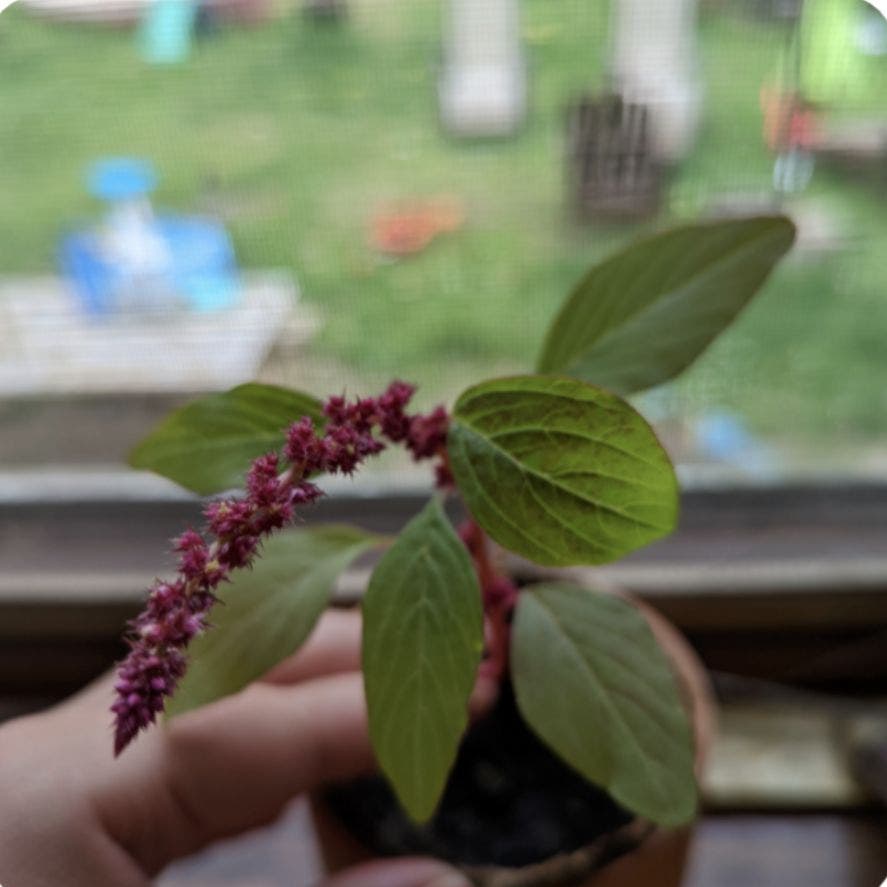
Reasons Red Amaranth Leaves Turn Yellow 🍂
Amaranthus gangeticus
By the Greg Editorial Team
Nov 06, 2024•4 min read
This article was created with the help of AI so we can cover more plants for you. May contain errors. See one? Report it here.
Transform your red amaranth's health 🌱 by mastering the art of diagnosing and treating yellow leaves!
- 🌱 Yellow leaves indicate nutrient deficiencies or environmental stress in red amaranth.
- 🔍 Inspect leaf texture and roots to diagnose plant health issues effectively.
- 💧 Consistent watering and soil testing are crucial for vibrant red amaranth growth.
Diagnosing Yellow Leaves
👀 Visual Symptoms to Look For
When red amaranth leaves start turning yellow, the first step is to identify the cause. Color changes can indicate nutrient deficiencies or environmental stress, so it's crucial to distinguish between the two.
Check the leaf texture as well. Are the leaves wilting, crispy, or soft? These signs can provide additional clues about the plant's health.
📊 How to Assess Plant Health
Next, observe the overall growth of your red amaranth. Compare its current growth to expected patterns to gauge its health effectively.
Don't forget to check the roots. Gently remove the plant from the soil to inspect for rot or other issues that could be affecting its vitality.
🧪 Soil Testing for pH and Nutrients
Soil testing is vital for understanding nutrient availability and pH balance. It helps you determine what your plant needs to thrive.
Use soil test kits to measure pH and nutrient levels accurately. For red amaranth, the ideal soil pH ranges from 6.0 to 7.0, which is slightly acidic to neutral. This balance ensures your plant can absorb nutrients effectively.
With these diagnostic steps, you can better understand the health of your red amaranth and take appropriate action. Next, we’ll explore how to prevent yellow leaves from becoming a recurring issue.
Preventing Yellow Leaves
🌊 Best Practices for Watering
Establishing a consistent watering schedule is crucial for keeping your Red Amaranth healthy. Monitor soil moisture levels to determine how often to water, ensuring the plant receives adequate hydration without becoming waterlogged.
Deep watering is an effective technique that encourages robust root growth. This method allows moisture to penetrate deeper into the soil, promoting better moisture retention and healthier plants.
🗓️ Fertilization Schedule
Timing your fertilization is key to preventing yellow leaves. Aim to fertilize every 4-6 weeks during the growing season to provide essential nutrients that support vibrant growth.
When selecting fertilizers, consider balanced NPK options or organic alternatives. These choices can help maintain nutrient levels in the soil, ensuring your Red Amaranth thrives.
🌱 Choosing the Right Soil
The right soil composition is vital for your plant's health. Opt for well-draining soil enriched with organic matter to create an ideal growing environment.
To enhance soil quality, consider adding compost or peat moss. These amendments improve drainage and boost nutrient content, setting the stage for lush, green leaves.
By following these preventive measures, you can significantly reduce the chances of yellowing leaves in your Red Amaranth. Next, let’s explore effective treatment options if yellow leaves do appear.
Treating Yellow Leaves
🌱 Step-by-Step Guide to Amend Nutrient Deficiencies
Identifying nutrient deficiencies is the first step in reviving your Red Amaranth. Look for specific symptoms like yellowing leaves or stunted growth.
Once you’ve pinpointed the deficiency, select an appropriate fertilizer or soil amendment. Follow the package instructions for application to ensure your plant gets the right dosage.
After applying the fertilizer, monitor your plant's response over the following weeks. This observation will help you determine if further adjustments are necessary.
💧 How to Adjust Watering Practices
Start by assessing your current watering habits. Are you watering too frequently or not enough?
Next, determine soil moisture levels using a moisture meter or a simple finger test. Adjust the frequency and amount of water based on your findings to meet your plant's needs.
Keep an eye on your plant's response after making these adjustments. This will help you fine-tune your watering routine for optimal health.
🐞 Organic Pest Control Methods
To combat pests organically, consider using neem oil. Apply it according to the instructions on the label, typically every 7-14 days.
Insecticidal soap is another effective option. Mix it according to the package directions and apply it to affected areas.
You can also introduce beneficial insects like ladybugs and lacewings. These natural predators will help keep pest populations in check.
🌞 Environmental Adjustments for Optimal Growth
Modifying light exposure can significantly impact your plant's health. Move your Red Amaranth to a location where it receives optimal sunlight.
Adjusting temperature is also crucial. Use shade cloths during hot days or heaters in cooler conditions to maintain a stable environment.
Finally, consider increasing humidity around your plants. Simple methods like misting or placing a humidifier nearby can create a more favorable atmosphere for growth.
By implementing these strategies, you can effectively treat yellow leaves and promote the vibrant health of your Red Amaranth. Next, let’s explore how to prevent yellow leaves from occurring in the first place.
⚠️ Safety First
This content is for general information and may contain errors, omissions, or outdated details. It is not medical, veterinary advice, or an endorsement of therapeutic claims.
Always consult a qualified healthcare professional before using any plant as food, medicine, or supplement.
Never eat any plant (or feed one to pets) without confirming its identity with at least two trusted sources.
If you suspect poisoning, call Poison Control (800) 222-1222, the Pet Poison Helpline (800) 213-6680, or your local emergency service immediately.
Spotted an error? Please report it here.
Transform your red amaranth from yellowing to vibrant green 🌿 with Greg's tailored watering schedules and nutrient insights that keep your plants thriving!