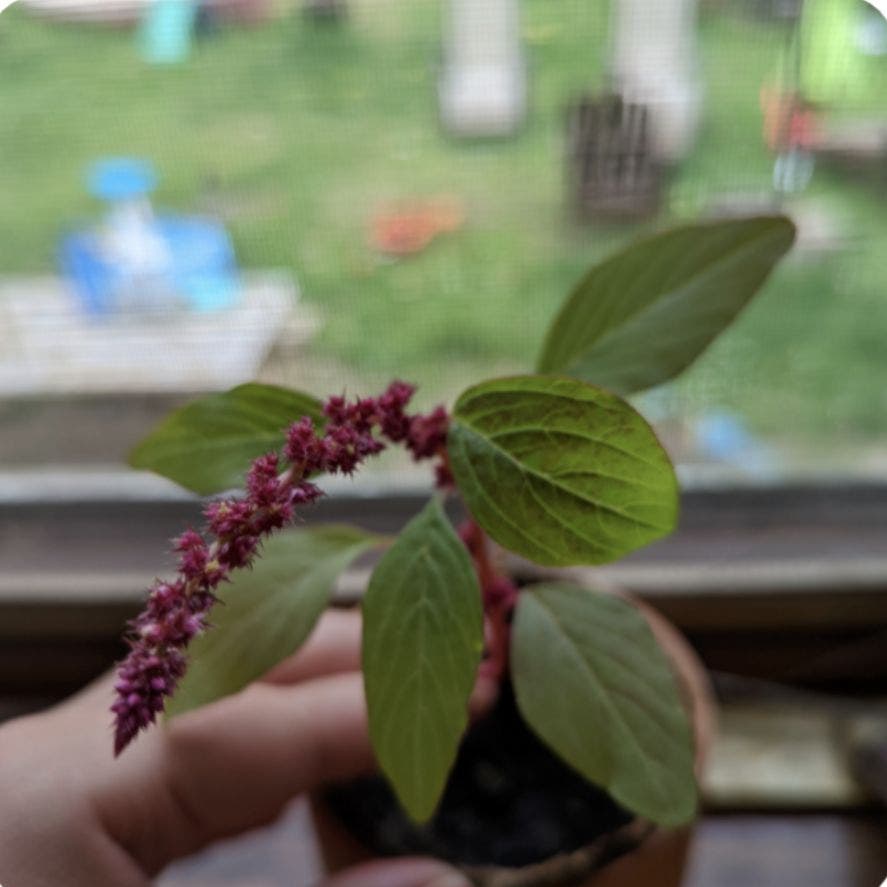
Red Amaranth Is Not a Perennial
Amaranthus gangeticus
By the Greg Editorial Team
Nov 06, 2024•5 min read
This article was created with the help of AI so we can cover more plants for you. May contain errors. See one? Report it here.
Unlock vibrant blooms and quick harvests with Red Amaranth 🌱—the annual plant that transforms your garden!
- 🌱 Red Amaranth is an annual, completing its lifecycle in one growing season.
- 🌞 It thrives in full sunlight and well-drained soil for optimal growth.
- 🌼 Misconception alert: Red Amaranth does not self-seed or regrow from roots.
Characteristics of Red Amaranth as an Annual
🌱 Lifecycle and Growth
Red Amaranth is a vibrant annual plant that thrives in a relatively short lifecycle. From germination to flowering and seed production, it typically takes about 60 to 90 days.
The lifecycle of Red Amaranth consists of several distinct stages: seed, seedling, mature plant, flowering, and seed set. Each stage is crucial for the plant's development and overall health.
At maturity, Red Amaranth can reach impressive heights, often growing between 3 to 5 feet tall, with a spread of about 2 to 3 feet. This robust growth makes it a striking addition to any garden.
Environmental factors play a significant role in the growth of Red Amaranth. It flourishes in full sunlight, well-drained soil, and requires consistent watering to reach its full potential.
Understanding these characteristics can help gardeners make informed decisions about planting and care. By providing the right conditions, you can enjoy a bountiful harvest and stunning blooms throughout the growing season.
As we delve deeper into the misconceptions surrounding Red Amaranth, it's essential to clarify its nature as an annual plant.
Misconceptions about Red Amaranth
🤔 Common Misconceptions
Many gardeners mistakenly believe that Red Amaranth can self-seed and return year after year. This misunderstanding often leads to confusion about its classification as an annual plant.
It's essential to clarify the difference between annuals and perennials. Annuals complete their lifecycle in one growing season, while perennials return year after year.
🌱 Growth and Regrowth Clarifications
One key reason Red Amaranth does not regrow from roots is its lifecycle structure. Once the plant completes its growth and produces seeds, it dies off, leaving no roots to regenerate.
Understanding these classifications is crucial for gardening success. Knowing that Red Amaranth is an annual helps gardeners plan their planting schedules and manage their garden effectively.
By grasping these concepts, you can avoid common pitfalls and make the most of your gardening efforts. This knowledge empowers you to cultivate a thriving garden that meets your expectations.
As we move forward, let's explore the advantages of Red Amaranth's annual nature and how it can benefit your gardening experience.
Advantages of Annual Nature
🌱 Benefits for Gardeners
Red Amaranth's annual nature offers a fast turnaround from planting to harvest, typically within 60 to 90 days. This quick growth cycle allows gardeners to enjoy fresh greens and vibrant flowers in no time.
Additionally, the annual lifecycle provides opportunities for multiple crops in a single growing season. You can plant Red Amaranth, harvest it, and then introduce new crops, maximizing your garden's productivity.
📅 Flexibility in Garden Planning
Incorporating Red Amaranth into your seasonal gardening plans is a breeze. Its adaptability means you can easily fit it into various planting schedules, ensuring your garden remains lively and productive throughout the year.
Rotating annuals like Red Amaranth with perennials also benefits soil health and pest management. This practice helps maintain nutrient balance in the soil and disrupts pest cycles, leading to a healthier garden ecosystem.
By understanding and leveraging the advantages of Red Amaranth's annual nature, you can create a dynamic and flourishing garden that thrives season after season. Next, let’s explore the common misconceptions surrounding this vibrant plant.
Self-Seeding and Climate Effects
🌱 Situations of Perennial Appearance
Red Amaranth can sometimes give the impression of being a perennial due to its self-seeding capabilities. This phenomenon occurs under specific conditions, such as favorable climates and rich soil, where the seeds can thrive and germinate without human intervention.
In regions with mild winters and ample rainfall, self-seeding becomes more prevalent. For instance, gardens in USDA hardiness zones 9 and 10 often see Red Amaranth sprouting year after year, creating a lush, vibrant display that mimics perennial growth.
🌼 Implications of Self-Seeding
While self-seeding can create the illusion of perenniality, it's essential to understand its true nature. The seeds from the previous season's plants can germinate, leading to new growth, but this does not mean the original plant has returned.
Managing self-seeding is crucial for effective garden design. If left unchecked, Red Amaranth can spread beyond desired areas, potentially crowding out other plants. Regular monitoring and strategic planning can help maintain balance in your garden while still enjoying the benefits of this colorful annual.
As we explore the advantages of Red Amaranth's annual nature, consider how its vibrant presence can enhance your gardening experience.
Maximizing Impact in Gardens
🌱 Strategies for Enjoying Red Amaranth
To make the most of Red Amaranth in your garden, consider planting schedules that ensure continuous blooms and harvests. By staggering your planting times, you can enjoy fresh leaves and vibrant flowers throughout the growing season.
Companion planting is another effective strategy. Pairing Red Amaranth with other annuals and perennials can create stunning visual displays. For instance, combining it with sunflowers or zinnias can enhance the garden's color palette and attract beneficial pollinators.
🌼 Tips for Incorporating with Perennials
When integrating Red Amaranth with perennials, choose companion plants that offer contrasting textures and colors. Plants like lavender or echinacea can provide a beautiful backdrop, allowing the bold hues of Red Amaranth to shine.
Planning for seasonal transitions is crucial. As annuals like Red Amaranth finish their life cycle, consider how to seamlessly integrate them into perennial gardens. This approach not only maintains visual interest but also supports a dynamic ecosystem throughout the year.
By understanding these strategies and tips, you can maximize the impact of Red Amaranth in your garden, creating a vibrant and thriving space. Next, let’s explore the fascinating topic of self-seeding and how it can influence your gardening experience.
⚠️ Safety First
This content is for general information and may contain errors, omissions, or outdated details. It is not medical, veterinary advice, or an endorsement of therapeutic claims.
Always consult a qualified healthcare professional before using any plant as food, medicine, or supplement.
Never eat any plant (or feed one to pets) without confirming its identity with at least two trusted sources.
If you suspect poisoning, call Poison Control (800) 222-1222, the Pet Poison Helpline (800) 213-6680, or your local emergency service immediately.
Spotted an error? Please report it here.
Embrace the beauty of Red Amaranth as an annual plant and let Greg guide you with customized care tips 🌼 to achieve a thriving garden filled with vibrant blooms and bountiful harvests!