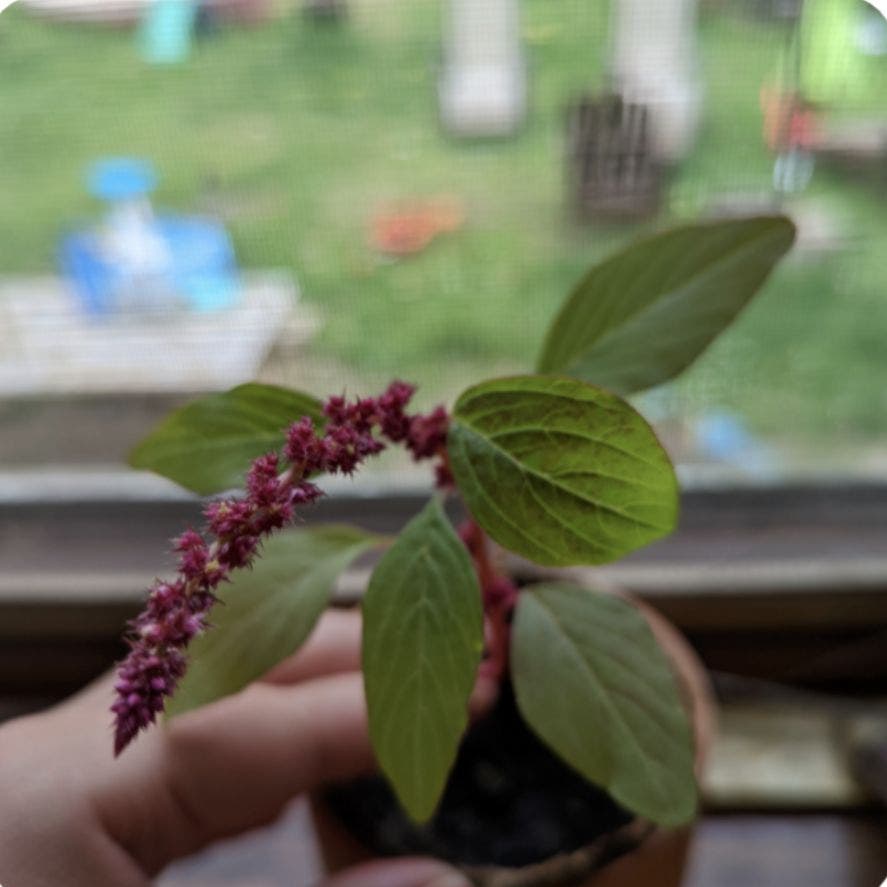
⏳ Lifespan of Red Amaranth
Amaranthus gangeticus
By the Greg Editorial Team
Nov 06, 2024•5 min read
This article was created with the help of AI so we can cover more plants for you. May contain errors. See one? Report it here.
Grow vibrant red amaranth in just 70-90 days with these essential tips! 🌱
- 🌱 Red amaranth germinates in 5-10 days under optimal conditions for quick growth.
- ☀️ Full sun for 6-8 hours daily is essential for healthy vegetative growth.
- 🌾 Maturity in 70-90 days makes red amaranth ideal for fast-growing gardens.
Germination Stage
🌱 Duration of Germination
Germination is the first crucial step in growing red amaranth. Under optimal conditions, expect seeds to sprout within 5 to 10 days.
🌟 Conditions for Successful Germination
To ensure successful germination, pay attention to the following factors:
🌡️ Soil Temperature
Maintain a soil temperature between 70°F to 85°F (21°C to 29°C). This range is ideal for promoting quick and healthy sprouting.
💧 Soil Moisture
Keep the soil consistently moist, but avoid waterlogging. Too much water can suffocate the seeds, while too little can hinder their growth.
💡 Light Requirements
Red amaranth seeds can germinate in both light and dark conditions. However, providing light can enhance their growth, giving them a better start.
With these conditions met, your red amaranth seeds will be well on their way to sprouting. Next, we’ll explore the exciting seedling stage and what to expect as your plants begin to grow.
Seedling Stage
🌱 Characteristics of Seedlings
Red Amaranth seedlings are a sight to behold. They start with small, tender green leaves that gradually transition to a vibrant red as they mature.
Root development is crucial during this stage. The seedlings establish a robust root system that will support their growth in the coming weeks.
⏳ Duration of the Seedling Stage
The seedling stage lasts about 2-3 weeks. During this time, the plants develop true leaves, which are essential for their progression to the next growth phase.
You can tell when your seedlings are ready to move on by observing the development of 2-4 true leaves. This is a clear indicator that they are prepared for the next stage of growth.
With the seedlings well on their way, it's exciting to think about the upcoming vegetative growth stage, where the plants will really start to flourish.
Vegetative Growth Stage
🌱 Description of Vegetative Growth
During the vegetative growth stage, red amaranth experiences rapid leaf expansion. The leaves grow larger and more vibrant, creating a striking visual display that captures attention.
As the plant matures, it can reach impressive heights of up to 6 feet under optimal conditions. This growth not only enhances its aesthetic appeal but also prepares the plant for the next stages of its life cycle.
⏳ Duration and Conditions for Optimal Growth
The vegetative growth stage typically lasts between 4 to 6 weeks, influenced by various environmental factors. To achieve the best results, ensure the plant receives full sun exposure for 6 to 8 hours daily.
Additionally, well-draining soil is crucial for healthy growth, as it prevents waterlogging and promotes strong root development. Regular watering is also essential to maintain consistent moisture levels, supporting the plant's rapid growth.
In summary, providing the right conditions during the vegetative stage is key to cultivating robust red amaranth. With the right care, you'll witness this vibrant plant flourish, setting the stage for its flowering phase.
Flowering Stage
Transition to Flowering 🌼
The flowering stage of red amaranth is a fascinating transformation. It’s triggered by environmental cues, specifically changes in day length and temperature, which signal the plant to begin this crucial phase.
Duration of Flowering ⏳
Once initiated, the flowering process typically lasts between 2 to 4 weeks. This period is vital for the plant’s reproductive success.
Pollination and Fertilization Process 🐝
Pollination primarily occurs through wind, although red amaranth can attract various pollinators as well. Shortly after pollination, fertilization takes place, leading to the development of seeds within the flower heads.
This stage is not just about beauty; it’s essential for the continuation of the species. Understanding the flowering process can help you appreciate the lifecycle of red amaranth and its role in your garden.
Next, we’ll explore the seed production stage, where the magic of growth culminates in the formation of seeds.
Seed Production Stage
How Seeds are Produced 🌱
After successful fertilization, red amaranth produces seeds that cluster within its flower heads. This process is crucial for the plant's reproduction and ensures the continuation of its vibrant lineage.
Duration of Seed Production ⏳
The journey from flowering to seed maturity typically takes about 4-6 weeks. During this time, the plant focuses its energy on developing robust seeds ready for harvesting.
Importance of Seed Harvesting 🗓️
Timing is everything when it comes to harvesting seeds. It's best to collect them once the flower heads turn brown and dry, signaling that the seeds are ripe.
Harvesting seeds not only secures a supply for future planting but also helps preserve the genetic diversity of red amaranth. This practice ensures that gardeners can enjoy the plant's benefits year after year.
As we move forward, let’s explore how long it takes for red amaranth to reach full maturity and the factors that influence its growth rate.
Growth Rate and Maturation
🌱 How Long Until Red Amaranth is Fully Grown?
Red Amaranth is a fast-growing plant, typically reaching maturity in 70-90 days from seed to harvest. This quick turnaround makes it a favorite among gardeners looking for rapid results.
⏳ Factors Affecting Growth Rate
Several factors influence how quickly Red Amaranth grows:
- Soil Quality: Nutrient-rich, well-draining soil is essential for promoting faster growth.
- Water Availability: Consistent moisture is crucial; too little water can stunt growth.
- Temperature: Warmer temperatures generally accelerate growth rates, helping the plant thrive.
📊 Comparison of Growth Rates with Other Plants
When compared to many traditional garden vegetables, Red Amaranth stands out for its rapid maturation. This makes it an excellent choice for those eager to enjoy fresh produce in a shorter time frame.
In summary, understanding the growth rate and maturation of Red Amaranth can help you optimize your gardening efforts. With the right conditions, you can enjoy a bountiful harvest in just a few months. Next, let’s explore the fascinating process of seed production and its importance in sustaining your garden.
⚠️ Safety First
This content is for general information and may contain errors, omissions, or outdated details. It is not medical, veterinary advice, or an endorsement of therapeutic claims.
Always consult a qualified healthcare professional before using any plant as food, medicine, or supplement.
Never eat any plant (or feed one to pets) without confirming its identity with at least two trusted sources.
If you suspect poisoning, call Poison Control (800) 222-1222, the Pet Poison Helpline (800) 213-6680, or your local emergency service immediately.
Spotted an error? Please report it here.
Master the growth stages of red amaranth 🌱 with Greg's tailored watering reminders and care tips, ensuring a thriving garden from seed to harvest!