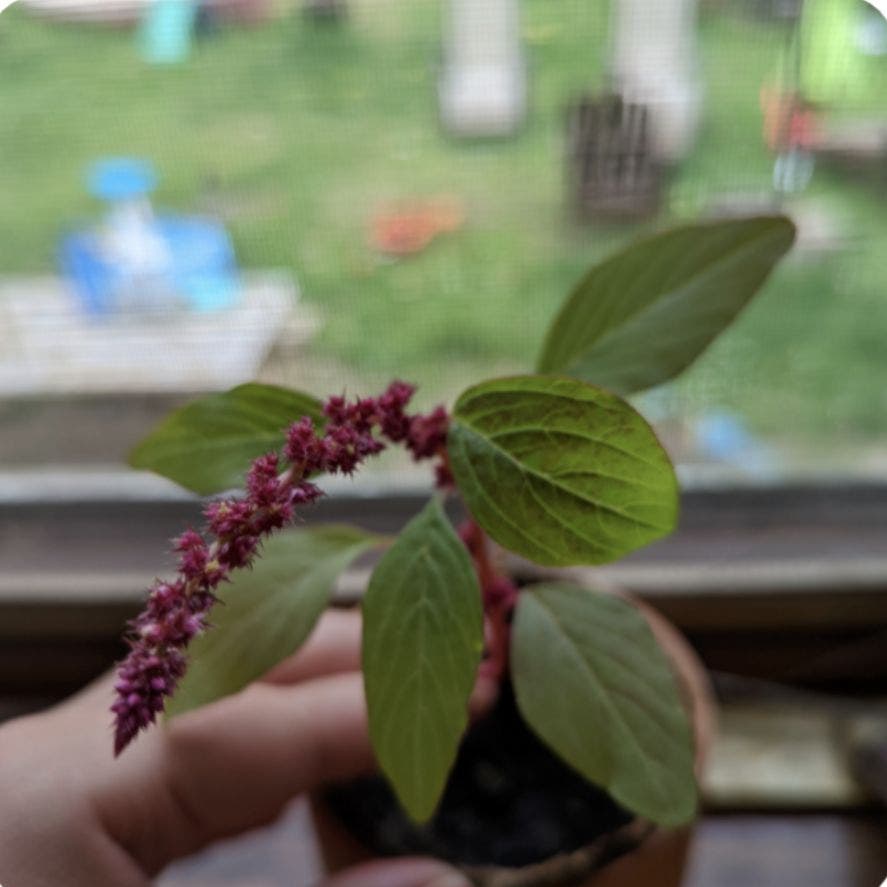
📏 Red Amaranth Height and Width Guide
Amaranthus gangeticus
By the Greg Editorial Team
Nov 06, 2024•5 min read
This article was created with the help of AI so we can cover more plants for you. May contain errors. See one? Report it here.
Unlock vibrant garden displays 🌱 by mastering Red Amaranth's growth and size control techniques for stunning results!
- 🌱 Red Amaranth grows 3-5 feet tall and 2-3 feet wide in optimal conditions.
- ☀️ Full sunlight (6-8 hours) is essential for maximizing growth and size.
- 🌿 Dwarf and giant varieties offer options for different garden spaces and designs.
Mature Height and Width
Typical Dimensions 🌱
Red Amaranth typically reaches a mature height of 3 to 5 feet when grown under optimal conditions. Its mature width spans 2 to 3 feet, giving it a lush, bushy appearance that can enhance any garden.
Factors Influencing Size 📏
The size of Red Amaranth can vary significantly based on environmental conditions and care practices. Key factors include soil quality, watering frequency, and sunlight exposure, all of which play crucial roles in achieving those impressive mature dimensions.
Understanding these elements can help you cultivate a thriving plant that meets your gardening goals. Whether you're aiming for a towering display or a more compact bush, paying attention to these factors is essential for success.
Growth Rate and Time to Maturity
🌱 Growth Rate
The growth rate of Red Amaranth can vary significantly based on environmental factors. Key elements such as soil quality, temperature, and sunlight exposure play crucial roles in determining how quickly these plants thrive.
Under optimal conditions, including rich soil and plenty of sunlight, Red Amaranth can experience rapid growth. This means you could see noticeable height increases in just a few weeks.
⏳ Time to Maturity
On average, Red Amaranth takes about 60 to 90 days to reach its full size. However, this timeframe can fluctuate depending on various factors.
Temperature is a major player; warmer conditions can speed up growth, while cooler weather may delay maturity. Additionally, consistent care practices, like regular watering and fertilization, can also influence how quickly your plants mature.
Size Variability Based on Conditions
🌍 Environmental Impact on Size
The size of Red Amaranth can vary significantly based on the growing conditions. Factors such as temperature, humidity, and light exposure play crucial roles in determining whether your plants will thrive or struggle.
For instance, plants grown in full sunlight often reach their maximum height and width, while those in shaded areas may remain smaller. Similarly, extreme temperatures—either too hot or too cold—can stunt growth, leading to a less robust plant.
🌱 Optimal Growing Conditions
To maximize the size of your Red Amaranth, focus on providing ideal soil types and nutrient levels. Well-draining, loamy soil enriched with organic matter promotes healthy root development and overall growth.
Consistent watering is equally important; aim for regular moisture without waterlogging the soil. Adequate sunlight exposure, ideally 6 to 8 hours a day, ensures your plants receive the energy they need to flourish.
By paying attention to these factors, you can cultivate larger, healthier Red Amaranth plants that will stand out in your garden.
As you consider the size variability, it’s essential to explore the different varieties available, including dwarf and giant options, which can further influence your gardening choices.
Dwarf and Giant Varieties
🌱 Dwarf Varieties
Dwarf Red Amaranth varieties typically reach a height of just 1 to 2 feet. These compact plants are perfect for gardeners with limited space, allowing for a vibrant display without overwhelming smaller areas.
Growing dwarf varieties can also lead to easier maintenance and harvesting. Their manageable size makes them ideal for container gardening or small garden beds, providing flexibility in your planting options.
🌳 Giant Varieties
On the other end of the spectrum, giant Red Amaranth varieties can soar to heights exceeding 6 feet. These impressive plants create a striking visual impact in any garden, but they do require more space and careful planning.
When growing giant varieties, consider their need for support as they can become top-heavy. Adequate spacing and sturdy staking will help ensure these towering beauties thrive without toppling over.
In summary, whether you choose dwarf or giant varieties, understanding their unique needs will help you cultivate a flourishing garden. Next, we’ll explore how to control the size of your Red Amaranth plants for optimal growth.
Controlling Size
✂️ Pruning Techniques
Pruning is a key method for managing the size of Red Amaranth while promoting a bushy appearance. By strategically trimming the plant, you can encourage it to grow wider rather than taller.
To effectively prune Red Amaranth, follow these steps:
- Timing: Start early in the growing season for the best results.
- Tools: Use clean, sharp pruning shears to make precise cuts.
- Method: Pinch back the tips of the stems. This encourages lateral growth, resulting in a fuller plant.
🌱 Spacing in Garden Design
Proper spacing in your garden is crucial for controlling the size of Red Amaranth. Adequate space allows each plant to thrive without competing for resources.
For optimal growth, plant Red Amaranth 12 to 18 inches apart. This spacing not only promotes healthy development but also enhances airflow, reducing the risk of disease.
🪴 Container Growing Considerations
Growing Red Amaranth in containers offers unique advantages for size control. Containers limit root growth, which can help keep the plants smaller and more manageable.
When choosing containers, opt for sizes that are at least 5 gallons. Use well-draining soil enriched with nutrients to support healthy growth. This approach allows you to enjoy the beauty of Red Amaranth even in limited spaces.
By implementing these techniques, you can effectively control the size of your Red Amaranth plants, ensuring they flourish in your garden or containers. Next, let’s explore the fascinating world of dwarf and giant varieties of Red Amaranth.
⚠️ Safety First
This content is for general information and may contain errors, omissions, or outdated details. It is not medical, veterinary advice, or an endorsement of therapeutic claims.
Always consult a qualified healthcare professional before using any plant as food, medicine, or supplement.
Never eat any plant (or feed one to pets) without confirming its identity with at least two trusted sources.
If you suspect poisoning, call Poison Control (800) 222-1222, the Pet Poison Helpline (800) 213-6680, or your local emergency service immediately.
Spotted an error? Please report it here.
Unlock the full beauty 🌿 of your Red Amaranth by using Greg's tailored care tips and reminders to help your plants flourish in any garden space!