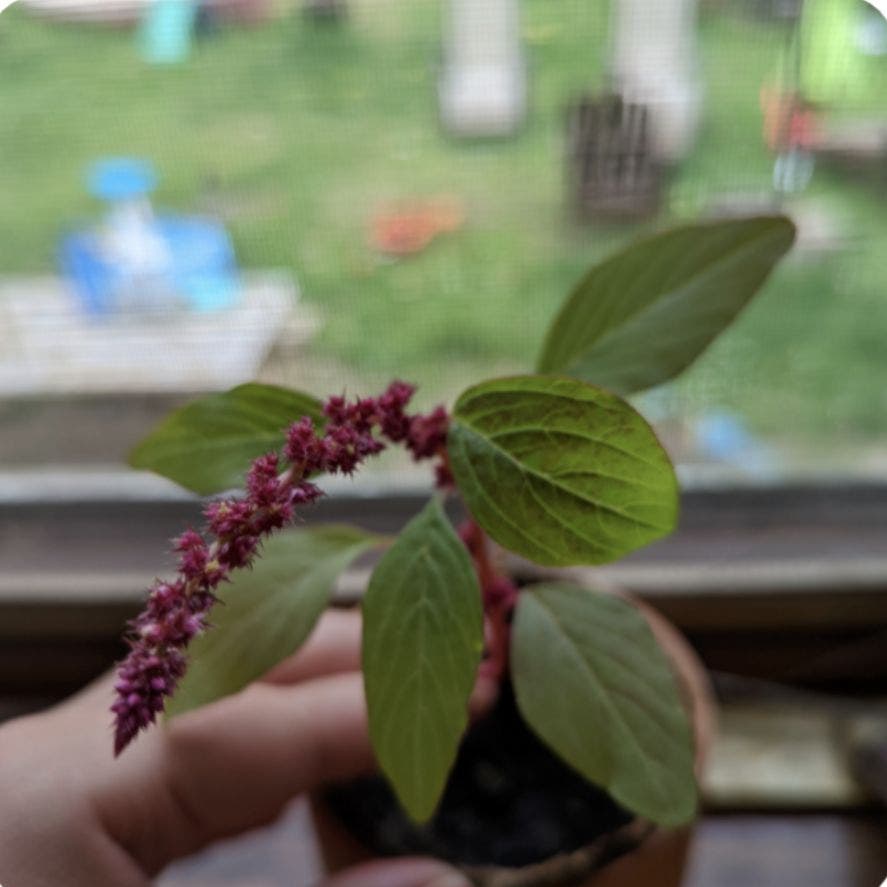
🍂 Best Tips for Dropping Leaves on Red Amaranth
Amaranthus gangeticus
By the Greg Editorial Team
Nov 06, 2024•8 min read
This article was created with the help of AI so we can cover more plants for you. May contain errors. See one? Report it here.
Transform your Red Amaranth care with essential tips to prevent leaf drop and ensure vibrant growth! 🌱
- 🌡️ Maintain 20°C to 30°C and 50%-70% humidity to prevent leaf drop.
- 💧 Water deeply but infrequently; check soil moisture before watering again.
- 🐛 Inspect regularly for pests like aphids; use organic methods for control.
Causes of Leaf Drop
🌡️ Environmental Stress Factors
Temperature plays a crucial role in the health of Red Amaranth. The ideal range is between 20°C to 30°C (68°F to 86°F). When temperatures stray too far from this range, plants may exhibit symptoms like wilting, yellowing leaves, and premature leaf drop.
Humidity is another key factor. Red Amaranth thrives in humidity levels of 50% to 70%. Low humidity can lead to leaf curling and increased vulnerability to pests, making it essential to monitor these conditions closely.
💧 Watering Issues
Watering practices significantly impact leaf health. Overwatering can cause yellowing leaves, soggy soil, and even root rot. To prevent this, ensure your soil drains well and allow the topsoil to dry out between waterings.
On the flip side, underwatering can lead to wilting, crispy leaf edges, and leaf drop. Regularly check soil moisture and water when the top inch feels dry to keep your plants hydrated.
🥦 Nutrient Deficiencies
Nutrient deficiencies can also trigger leaf drop. A nitrogen deficiency often results in pale green leaves, stunted growth, and leaf drop. To remedy this, use a balanced fertilizer that contains adequate nitrogen.
Potassium deficiency presents differently, causing marginal leaf burn, weak stems, and increased leaf drop. Applying potassium-rich fertilizers or amendments can help restore balance.
🐜 Pest Infestations
Pests are a common threat to Red Amaranth. Aphids, for instance, leave behind a sticky residue and cause curled leaves, often accompanied by ants. Control methods include using insecticidal soap or neem oil.
Spider mites are another concern, identifiable by fine webbing and stippled leaves. Increasing humidity and introducing predatory mites can effectively manage these pests.
🍄 Fungal Diseases
Fungal diseases can wreak havoc on your plants. Root rot is characterized by wilting, yellowing leaves, and mushy roots. To prevent this, ensure proper drainage and avoid overwatering.
Leaf spot is another issue, presenting as dark spots on leaves and leading to premature leaf drop. Treatment involves removing affected leaves and applying fungicides as necessary.
Understanding these causes of leaf drop is essential for maintaining healthy Red Amaranth. By addressing environmental stress, watering practices, nutrient needs, pest infestations, and fungal diseases, you can keep your plants thriving and vibrant. Next, we’ll explore effective strategies for preventing leaf drop.
Preventing Leaf Drop
💧 Proper Watering Techniques
Watering your Red Amaranth correctly is crucial for preventing leaf drop. Check soil moisture regularly and aim to water deeply but infrequently to encourage strong root development.
It's best to water in the morning. This practice reduces evaporation and minimizes the risk of fungal diseases.
🌱 Soil Preparation and Amendments
The right soil is essential for healthy plant growth. Ensure your soil is well-draining and maintains a pH between 6.0 and 7.0 for optimal nutrient uptake.
Incorporate organic matter, like compost, to enhance soil structure and boost nutrient content. This simple amendment can make a significant difference in plant health.
🗓️ Fertilization Schedule and Types
A consistent fertilization schedule helps maintain vibrant foliage. Use a balanced fertilizer every 4-6 weeks during the growing season to support robust growth.
Consider organic options such as fish emulsion or seaweed extract. These fertilizers not only nourish your plants but also promote a healthier ecosystem.
🐞 Pest Management Strategies
Regular inspections are key to catching pest issues early. Check your plants weekly for any signs of pests, such as discoloration or unusual leaf shapes.
Implement preventative measures like companion planting and introducing beneficial insects. These strategies can help deter pests naturally, keeping your Red Amaranth thriving.
🌡️ Monitoring Environmental Conditions
Keeping an eye on temperature and humidity is vital for plant health. Use a thermometer and hygrometer to ensure conditions remain optimal.
Be prepared to make adjustments, such as providing shade or additional watering during extreme heat. These small changes can significantly impact your plant's resilience against stress.
By following these preventive measures, you can create a thriving environment for your Red Amaranth, reducing the likelihood of leaf drop and ensuring a bountiful harvest. Next, let's dive into diagnosing leaf drop issues to tackle any problems that may arise.
Diagnosing Leaf Drop Issues
Identifying Symptoms of Stress 🌱
Recognizing stress in your Red Amaranth is crucial for timely intervention. Look for visual cues like yellowing leaves, wilting, and distinct leaf drop patterns.
Rapid changes in environmental conditions can also signal stress. Keep an eye on your plant's response to fluctuations in temperature and humidity.
Assessing Soil Moisture Levels 💧
Proper soil moisture is vital for healthy plants. Use a moisture meter or perform a finger test by inserting your finger 1-2 inches deep into the soil.
The ideal moisture level means the soil should feel moist but not waterlogged. Overly saturated soil can lead to root rot, while dry soil can cause wilting.
Recognizing Signs of Nutrient Deficiency 🥦
Nutrient deficiencies can manifest through changes in leaf coloration. Pale or discolored leaves often indicate a lack of essential nutrients.
Additionally, stunted growth and abnormal leaf shapes are red flags. Regularly monitor your plants to catch these signs early.
Inspecting for Pests and Diseases 🐛
Regular inspections are key to maintaining plant health. Check under leaves and along stems for any signs of pests.
Be vigilant for unusual spots, wilting, or discoloration, which may indicate disease. Early detection can make a significant difference in treatment outcomes.
By diagnosing these issues promptly, you can take proactive steps to ensure your Red Amaranth thrives. Next, let’s explore effective treatment options for leaf drop.
Treating Leaf Drop
Step-by-Step Guide to Adjusting Watering Practices 🌊
Assess Current Watering Schedule: Start by checking how often you water your Red Amaranth and evaluate the soil moisture. This will help you understand if your watering routine needs adjustment.
Adjust Frequency Based on Conditions: Modify your watering frequency according to environmental factors like temperature and humidity. Plants may need more water during hot spells and less when it's cooler.
Implement Deep Watering Techniques: Focus on deep watering rather than frequent shallow watering. This encourages deeper root growth, making your plants more resilient to stress.
How to Amend Soil for Nutrient Deficiencies 🥕
Test Soil for Nutrient Levels: Use a soil test kit to determine the nutrient content of your soil. This will guide you in identifying any deficiencies.
Choose Appropriate Fertilizers: Based on your soil test results, select fertilizers that address the specific nutrient deficiencies. This targeted approach ensures your plants get what they need.
Apply Amendments Evenly: Spread the chosen amendments evenly across the soil surface and mix them into the top 6 inches. This helps improve nutrient availability for your plants.
Organic Pest Control Methods 🐞
Neem Oil Application: Mix neem oil according to the package instructions and spray it on affected areas. This natural remedy is effective against various pests without harming beneficial insects.
Introducing Beneficial Insects: Consider releasing ladybugs or lacewings in your garden. These beneficial insects can help control aphid populations, keeping your Red Amaranth healthy.
Treatment Options for Fungal Infections 🍄
Root Rot Treatment: If you notice signs of root rot, remove the affected plants immediately. Improve drainage in your garden and avoid overwatering to prevent future occurrences.
Leaf Spot Management: For leaf spot issues, apply fungicides according to the label instructions. Additionally, remove any infected leaves to stop the spread of the disease.
By following these treatment strategies, you can effectively address leaf drop in Red Amaranth. With proper care and attention, your plants will thrive and produce lush foliage. Next, let’s explore seasonal considerations to further enhance your gardening success.
Seasonal Considerations
🌱 Adjusting Care During Different Growth Stages
In the seedling stage, consistent moisture is crucial. This helps establish strong roots while protecting young plants from pests that can easily overwhelm them.
As plants mature, it's essential to monitor their nutrient needs closely. Environmental stressors can affect growth, so keep an eye out for any signs that your plants may need extra care.
🍂 Preparing for Seasonal Changes
Temperature fluctuations can be harsh on your plants. Using row covers or shade cloth can provide necessary protection during extreme heat or cold.
Additionally, consider rainfall patterns when planning your watering schedule. Adjusting your watering based on recent rainfall can help prevent overwatering, which is a common issue for many gardeners.
🕒 Timing for Fertilization and Pest Control
Start fertilizing your Red Amaranth in early spring. This timing ensures that your plants receive the nutrients they need as they begin their growth cycle.
For pest control, be proactive. Implement preventative measures before peak pest seasons to keep your plants healthy and thriving.
With these seasonal considerations in mind, you can better support your Red Amaranth throughout its growth stages. Next, let’s explore how to diagnose leaf drop issues effectively.
⚠️ Safety First
This content is for general information and may contain errors, omissions, or outdated details. It is not medical, veterinary advice, or an endorsement of therapeutic claims.
Always consult a qualified healthcare professional before using any plant as food, medicine, or supplement.
Never eat any plant (or feed one to pets) without confirming its identity with at least two trusted sources.
If you suspect poisoning, call Poison Control (800) 222-1222, the Pet Poison Helpline (800) 213-6680, or your local emergency service immediately.
Spotted an error? Please report it here.
Keep your Red Amaranth leafy and lush 🍃 by using Greg for tailored watering reminders and nutrient tips that ensure your plant thrives without dropping leaves!