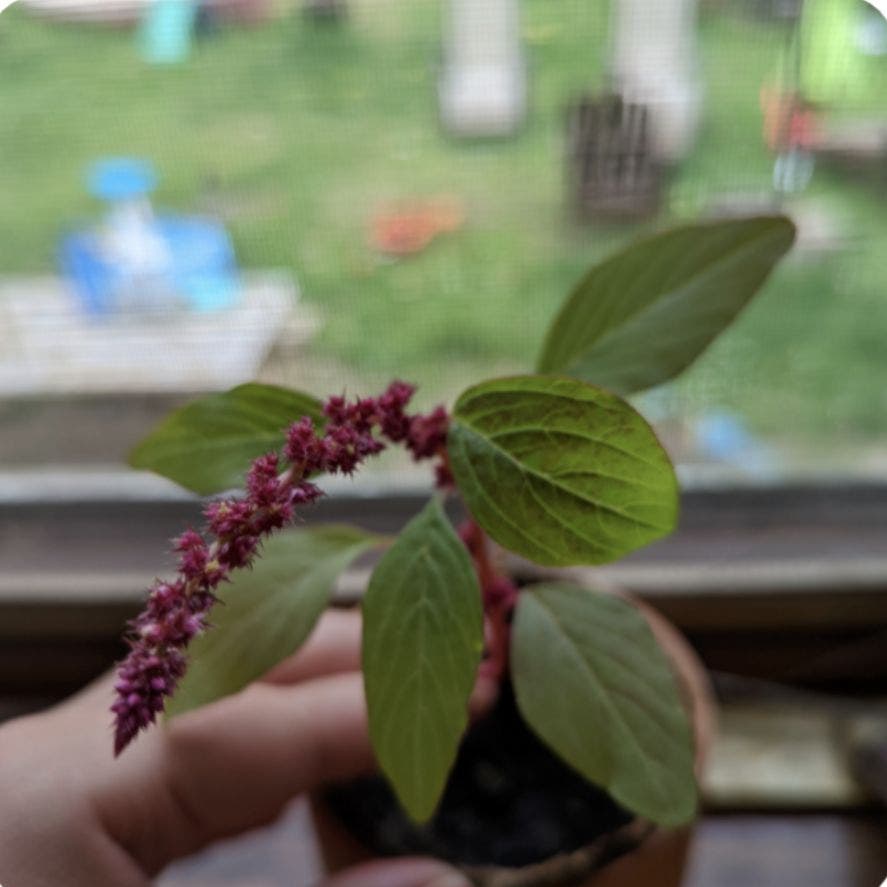
🌸 Red Amaranth Buds Won't Open
Amaranthus gangeticus
By the Greg Editorial Team
Nov 06, 2024•3 min read
This article was created with the help of AI so we can cover more plants for you. May contain errors. See one? Report it here.
Transform your red amaranth into a blooming beauty 🌸 by solving common flowering issues with these easy tips!
- 🌞 Red amaranth needs 6-8 hours of sunlight daily for optimal blooming.
- 🌱 Nutrient deficiencies in phosphorus and potassium hinder flower development.
- 🌡️ Environmental stressors like temperature and moisture affect blooming success.
Flowering Problems in Red Amaranth
🌞 Causes of Failure to Bloom
Insufficient Light Exposure
Red amaranth thrives on sunlight, requiring 6-8 hours of direct exposure daily. Without this, you may notice stunted growth and elongated stems, indicating your plants are reaching for light.
Nutrient Deficiencies
Key nutrients like phosphorus and potassium are essential for flowering. If your plants exhibit yellowing leaves or poor bud formation, it’s a sign they might be lacking these nutrients.
Environmental Stress
Extreme temperatures, drought, or excessive moisture can stress your plants. This stress often leads to a delayed or inhibited bloom cycle, preventing those vibrant flowers from appearing.
Pest Issues
Pests such as aphids and spider mites can wreak havoc on flowering. Look for distorted leaves and reduced vigor as telltale signs of an infestation.
🌼 Solutions for Improving Flowering
Adjusting Light Conditions
To boost flowering, consider moving your plants to sunnier locations or using grow lights. This simple adjustment can significantly enhance their growth.
Nutrient Management
Implement a fertilization schedule that focuses on a balanced fertilizer high in phosphorus during the blooming phase. Additionally, conducting soil tests can help identify any nutrient deficiencies.
Mitigating Environmental Stress
Maintain consistent moisture without waterlogging your plants. During extreme heat, provide shade, and protect them from frost to ensure a healthy bloom cycle.
Integrated Pest Management
Regularly inspect your plants for pests and signs of damage. Introduce beneficial insects or use organic pesticides to manage any infestations effectively.
🌱 Causes of Premature Flower Drop
Inconsistent Watering Practices
Overwatering can lead to root rot, causing nutrient uptake issues. Conversely, underwatering can stress your plants, resulting in unwanted bud drop.
Nutritional Imbalances
Excess nitrogen promotes leaf growth at the expense of flowers. A lack of essential nutrients can also impact overall plant health and flower retention.
Environmental Fluctuations
Sudden temperature changes can trigger stress responses, leading to premature bud drop. Additionally, low humidity levels can exacerbate this issue.
🚿 Solutions to Prevent Premature Flower Drop
Establishing a Consistent Watering Routine
Water your plants when the top inch of soil is dry. This simple practice can help maintain healthy moisture levels.
Nutrient Adjustments
During flowering, apply a bloom booster formula to support your plants' nutritional needs. This can make a significant difference in flower retention.
Environmental Stabilization
Use mulching to retain soil moisture and regulate temperature. In dry conditions, consider using misting or humidity trays to maintain adequate humidity levels.
🌸 Addressing Abnormal Flower Development
Common Abnormalities in Flower Development
Deformed flowers can arise from pest damage, nutrient deficiencies, or genetic factors. Additionally, poor light conditions and inadequate nutrition can lead to delayed flowering.
Solutions for Abnormal Flower Development
Regularly monitor your plants and adjust care as needed to ensure they receive adequate resources. Employ pruning techniques to remove affected flowers, encouraging new growth and healthier blooms. Lastly, consider selecting resilient varieties known for robust flowering traits.
By understanding these factors and implementing the right solutions, you can enhance the flowering potential of your red amaranth and enjoy a vibrant display of blooms. Next, we’ll explore the causes of premature flower drop and how to prevent it effectively.
⚠️ Safety First
This content is for general information and may contain errors, omissions, or outdated details. It is not medical, veterinary advice, or an endorsement of therapeutic claims.
Always consult a qualified healthcare professional before using any plant as food, medicine, or supplement.
Never eat any plant (or feed one to pets) without confirming its identity with at least two trusted sources.
If you suspect poisoning, call Poison Control (800) 222-1222, the Pet Poison Helpline (800) 213-6680, or your local emergency service immediately.
Spotted an error? Please report it here.
Unlock your red amaranth's blooming potential 🌸 with Greg's tailored care tips and reminders, ensuring your plants thrive in the perfect conditions for vibrant flowers!