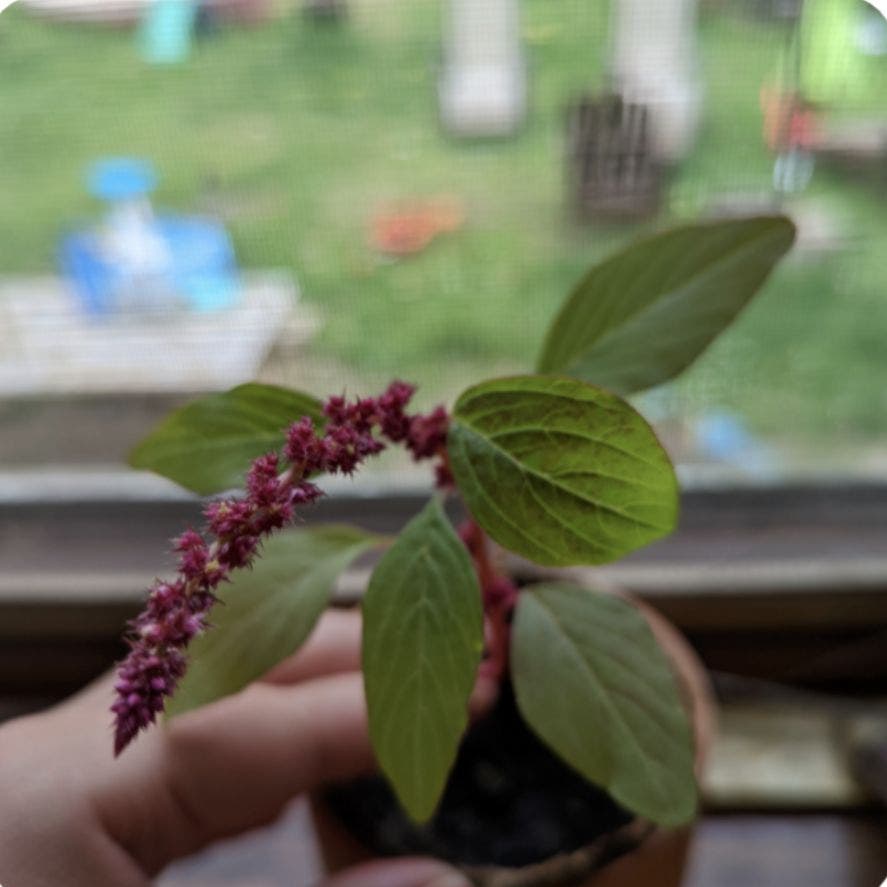
Best Tips for Dealing with Curling Leaves on Red Amaranth
Amaranthus gangeticus
By the Greg Editorial Team
Nov 06, 2024•6 min read
This article was created with the help of AI so we can cover more plants for you. May contain errors. See one? Report it here.
Revive your red amaranth by mastering the causes of curling leaves and restoring its vibrant health! 🌱
- 🌡️ Red amaranth prefers 70°F to 90°F; extreme temperatures cause curling leaves.
- 💧 Humidity levels of 40%-60% are crucial to prevent leaf curling.
- 🐛 Pests like aphids and spider mites can lead to curling; monitor regularly.
Causes of Curling Leaves
🌡️ Environmental Stress Factors
Temperature extremes can wreak havoc on your red amaranth. Ideally, these plants thrive in a temperature range of 70°F to 90°F (21°C to 32°C). When temperatures stray too far from this range, you may notice curling leaves and discoloration.
Humidity also plays a crucial role in leaf health. The optimal humidity level for red amaranth is between 40% and 60%. Low humidity can lead to leaf curling and wilting, making it essential to monitor your growing environment.
🥦 Nutrient Deficiencies
Nutrient deficiencies can significantly impact your plant's vitality. A nitrogen deficiency often manifests as yellowing leaves, stunted growth, and curling at the leaf tips.
Similarly, potassium deficiency can cause marginal leaf curling, browning edges, and weak stems. Keeping an eye on nutrient levels is vital for maintaining healthy foliage.
🐜 Pest Infestations
Pest infestations are another common culprit behind curling leaves. Aphids are notorious for leaving a sticky residue on plants, curling leaves, and attracting ants. They feed on the sap, leading to noticeable leaf distortion.
Spider mites are equally problematic, often leaving fine webbing and stippled leaves in their wake. Their feeding habits reduce photosynthesis, causing further leaf curl and stress.
🍄 Fungal Infections
Fungal infections, such as powdery mildew, can also lead to curling leaves. You might spot white powdery spots on the leaves, which indicate curling and distortion.
Conditions that favor the growth of powdery mildew include high humidity and poor air circulation. Keeping your plants well-ventilated can help prevent these issues.
Understanding these causes is the first step in addressing curling leaves on your red amaranth. By identifying the underlying issues, you can take proactive measures to restore your plants to their vibrant best.
Diagnosing Curling Leaves
Identifying Symptoms of Leaf Curl 🌿
When diagnosing curling leaves on red amaranth, start by observing the direction of the curl. Leaves may curl upward or downward, and any accompanying color changes, such as yellowing or browning, can provide crucial clues.
Early detection is key for effective treatment. The sooner you identify the symptoms, the better chance you have of reversing the damage and restoring your plant's health.
Differentiating Between Pest Damage and Environmental Stress 🐛
Next, it's essential to differentiate between pest damage and environmental stress. Look for indicators of pests, such as the presence of insects, sticky residue on leaves, or fine webbing.
On the other hand, environmental stress can often be traced back to temperature fluctuations, humidity levels, or improper watering practices. Understanding these differences helps you target the right solution.
Assessing Soil and Watering Conditions 💧
Evaluating soil health is another critical step in diagnosing leaf curl. Check for proper drainage and compaction, as these factors significantly affect root health.
Soil testing for nutrient levels can also reveal deficiencies that may contribute to curling leaves. Additionally, consider your watering practices—how often and how much water you apply can lead to signs of overwatering or underwatering, both of which can stress your plants.
By carefully assessing these factors, you can pinpoint the underlying causes of curling leaves and take appropriate action. This proactive approach sets the stage for effective treatment and recovery.
Preventing Leaf Curl
Best Practices for Soil Health and Nutrient Management 🌱
Healthy soil is the foundation for vibrant red amaranth. Start by incorporating organic compost to boost fertility and enhance soil structure.
Regular soil testing is crucial. It helps you monitor nutrient levels, ensuring your plants receive what they need to thrive.
Proper Watering Techniques 💧
Watering is an art. Aim for deep watering once a week, adjusting based on the weather to keep your plants hydrated without drowning them.
Check soil moisture regularly. This prevents soggy soil, which can lead to root rot and other issues.
Pest Prevention Strategies 🐛
Stay vigilant with pest monitoring. Conduct weekly inspections to catch any early signs of infestation before they escalate.
Consider companion planting as a natural deterrent. Marigolds, for example, can help keep harmful pests at bay while adding beauty to your garden.
By implementing these preventive measures, you can significantly reduce the risk of curling leaves on your red amaranth. This proactive approach not only promotes plant health but also enhances your gardening experience.
Next, let’s explore effective treatments for curling leaves when prevention isn’t enough.
Treating Curling Leaves
🌱 Step-by-Step Guide to Treating Nutrient Deficiencies
Identifying nutrient deficiencies is crucial for restoring your red amaranth's health. Start by conducting a soil test to pinpoint the specific deficiency.
Next, select an appropriate organic fertilizer. For nitrogen deficiencies, fish emulsion works wonders. Follow the package instructions for application rates.
After applying the fertilizer, monitor your plant's response over the next 1-2 weeks. Look for signs of improvement, such as greener leaves and new growth.
🐞 Organic Pest Control Methods
Pest infestations can exacerbate leaf curling, so addressing them promptly is essential. One effective method is neem oil application.
Dilute 1-2 tablespoons of neem oil in a gallon of water and spray it on affected areas. Repeat this every 7-14 days until you see a reduction in pests.
In addition to neem oil, consider using insecticidal soap. Spray it directly on the infested leaves to suffocate pests and prevent further damage.
🍞 Fungal Treatment Options
Fungal infections like powdery mildew can also lead to curling leaves. To manage this, create a baking soda solution by mixing 1 tablespoon of baking soda in a gallon of water.
Apply this solution every 7-10 days until the mildew is under control. This simple remedy can significantly improve your plant's condition.
🌤️ Adjusting Environmental Conditions for Recovery
Environmental factors play a significant role in plant health. If your red amaranth is struggling, consider adjusting its surroundings.
For temperature control, move your plants to a more stable environment if possible. This can help mitigate stress caused by extreme temperatures.
Humidity is another critical factor. Increase humidity levels by placing trays of water near your plants or misting them regularly. This can create a more favorable environment for recovery.
By following these treatment methods, you can effectively address curling leaves and promote the overall health of your red amaranth. Next, let’s explore how to monitor and maintain your plants for ongoing success.
Monitoring and Maintenance
🌱 Regular Inspection for Early Signs of Curling
To keep your red amaranth healthy, schedule weekly inspections. Look closely for any signs of leaf curling or pest presence, as early intervention can prevent further damage.
🌦️ Seasonal Care Adjustments
Adjust your watering and fertilization practices based on the seasons. In hot months, increase watering frequency, while in cooler months, reduce it to avoid over-saturation.
Preparing for winter is crucial too. Mulch around your plants and take steps to protect them from frost to ensure they thrive when temperatures drop.
📓 Record-Keeping for Plant Health
Maintaining a journal can be a game-changer for your gardening routine. Document your watering schedules, fertilization, and pest treatments to track what works best for your plants.
Tracking changes in plant health over time provides valuable insights for future gardening endeavors. This practice not only helps you identify patterns but also enhances your overall gardening experience.
By staying vigilant and organized, you can ensure your red amaranth remains vibrant and healthy throughout the growing season. Next, let's explore effective methods for treating curling leaves when issues arise.
⚠️ Safety First
This content is for general information and may contain errors, omissions, or outdated details. It is not medical, veterinary advice, or an endorsement of therapeutic claims.
Always consult a qualified healthcare professional before using any plant as food, medicine, or supplement.
Never eat any plant (or feed one to pets) without confirming its identity with at least two trusted sources.
If you suspect poisoning, call Poison Control (800) 222-1222, the Pet Poison Helpline (800) 213-6680, or your local emergency service immediately.
Spotted an error? Please report it here.
Keep your red amaranth thriving 🌿 by using Greg's tailored care tips and reminders to tackle curling leaves before they become a problem!