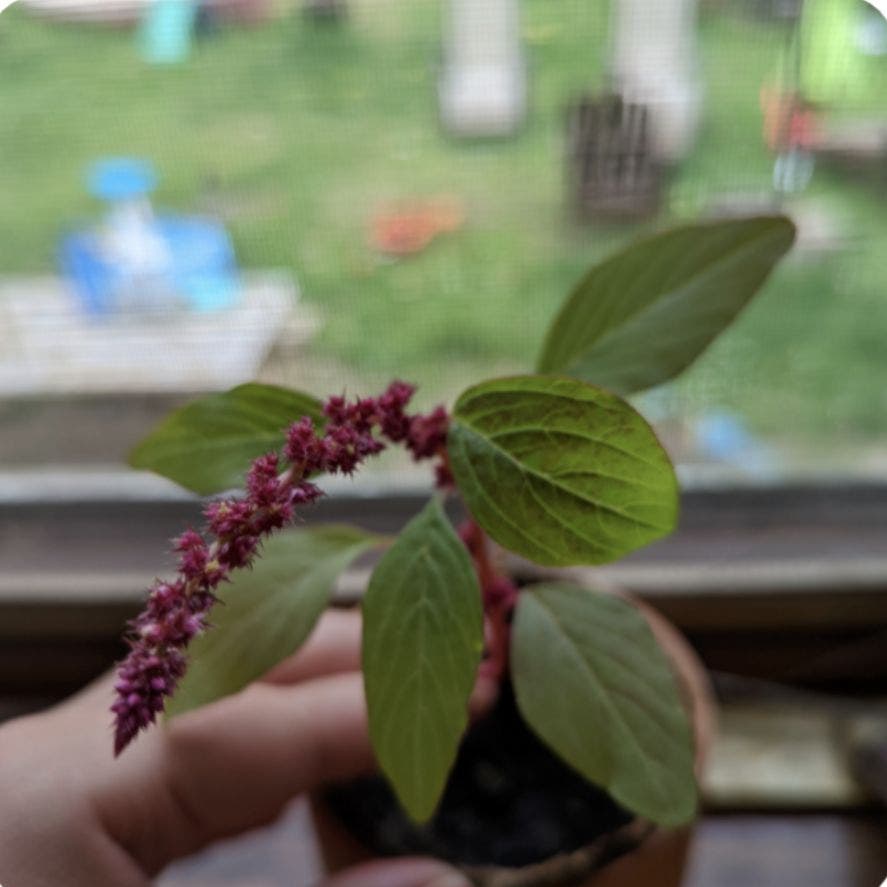
🌼 Red Amaranth: A Common Weed
Amaranthus gangeticus
By the Greg Editorial Team
Nov 06, 2024•5 min read
This article was created with the help of AI so we can cover more plants for you. May contain errors. See one? Report it here.
Learn to tackle Red Amaranth's invasion 🌾 and safeguard your garden's health and biodiversity!
- 🌱 Red Amaranth is a highly invasive weed, outcompeting native plants for resources.
- 🌾 One plant can produce 100,000 seeds, leading to rapid spread and management challenges.
- 🛠️ Effective control includes manual removal and early detection to prevent infestations.
Plant Classification
Definition of Weeds and Invasive Species 🌱
Weeds are often seen as the uninvited guests of the plant world. These unwanted plants grow aggressively in cultivated areas, competing fiercely with desired crops for resources.
Invasive species take this a step further. They are non-native plants that spread rapidly, disrupting local ecosystems and outcompeting native flora.
Criteria for Classifying Red Amaranth as a Weed 🌾
Red Amaranth is a prime example of a weed due to its rapid spread. A single plant can produce thousands of seeds, ensuring its presence in various environments.
Its competitive nature allows it to outcompete native plants for essential resources like light, water, and nutrients. This aggressive behavior can significantly alter habitat structures and functions, ultimately affecting biodiversity.
Understanding these classifications helps in recognizing the challenges posed by Red Amaranth and similar species. By identifying their characteristics, we can better manage their impact on our ecosystems.
Identification
Key Identifying Features 🌿
Red Amaranth is easily recognizable by its broad, lance-shaped leaves that feature smooth margins. These leaves can grow quite large, contributing to the plant's overall robust appearance.
In late summer, you'll notice dense clusters of small flowers that range from green to reddish in color. This vibrant display is a hallmark of the species, making it stand out in any landscape.
Typically, Red Amaranth reaches heights between 2 to 5 feet tall. Its stature allows it to dominate the spaces it inhabits, often overshadowing smaller plants.
Comparison with Look-Alike Plants 👀
When identifying Red Amaranth, it's essential to distinguish it from similar species like Amaranthus hybridus and Amaranthus blitoides.
Amaranthus hybridus, for instance, tends to have a more upright growth habit and slightly different leaf shapes. Meanwhile, Amaranthus blitoides often has a more sprawling form, making it easier to differentiate when you know what to look for.
Familiarizing yourself with these distinguishing features can help you identify Red Amaranth accurately, ensuring you can manage its spread effectively.
Understanding these characteristics not only aids in identification but also enhances your appreciation for the plant's unique role in the ecosystem.
Growth Habits and Spread
🌱 Typical Growth Patterns
Red Amaranth is notorious for its rapid growth, often reaching maturity within a single season. This aggressive growth allows it to quickly dominate spaces, making it a formidable presence in various environments.
It thrives particularly well in disturbed soils, such as those found in agricultural fields and along roadsides. These areas provide the ideal conditions for its establishment and proliferation.
🌾 Reproductive Strategies and Seed Dispersal
One of the most striking features of Red Amaranth is its incredible seed production capability. A single plant can produce up to 100,000 seeds, ensuring its survival and spread.
The dispersal of these seeds is facilitated by multiple methods, including wind, water, and animal movement. This versatility in seed dispersal contributes significantly to its rapid expansion across different landscapes.
Understanding these growth habits and reproductive strategies is crucial for effective management and control of Red Amaranth populations. With this knowledge, we can better prepare for the challenges it poses to native ecosystems and agricultural practices.
Ecological and Economic Impact
🌱 Effects on Native Plant Communities
Red Amaranth poses a significant threat to native plant communities. Its aggressive competition for resources like light, water, and nutrients leads to a marked reduction in biodiversity.
This weed alters the habitat structure, changing the composition of local ecosystems. As it spreads, it can displace native flora, disrupting the balance that supports various wildlife.
💰 Economic Losses and Agricultural Challenges
The economic implications of Red Amaranth are substantial. Farmers face reduced crop yields as this weed competes with their crops for essential resources.
Additionally, managing Red Amaranth incurs increased costs. From labor for manual removal to expenses for herbicides, the financial burden can be overwhelming for agricultural operations.
Understanding these impacts highlights the importance of effective management strategies. By addressing Red Amaranth's ecological and economic challenges, we can work towards healthier ecosystems and more sustainable agricultural practices.
Control and Management
🌱 Manual Removal Techniques and Best Practices
Manual removal is a straightforward yet effective way to manage Red Amaranth.
- Hand-pulling: Ensure you remove the entire plant, including the roots, to prevent regrowth.
- Timing: Aim to pull the plants before they set seed, which is crucial to limit their spread.
- Disposal: Properly dispose of the removed plants to avoid re-establishment in your garden or field.
🧪 Overview of Chemical Control Options
Chemical control can be a viable option when manual methods fall short.
- Herbicides: Certain herbicides are particularly effective against Red Amaranth. Look for those specifically labeled for this weed.
- Application timing: The best times to apply herbicides are during the early growth stages of the plant, ensuring maximum effectiveness.
🦠 Biological Control Methods and Their Effectiveness
Biological control offers an eco-friendly alternative to traditional methods.
- Potential agents include specific insects or pathogens that target Red Amaranth. Research is ongoing to identify the most effective organisms that can help keep this weed in check.
🚫 Preventive Measures to Limit Spread
Prevention is key in managing Red Amaranth populations.
- Crop rotation: Implementing crop rotation strategies can significantly reduce the establishment of this weed.
- Mulching: Using organic or synthetic mulches can suppress growth and limit sunlight access, making it harder for Red Amaranth to thrive.
🔍 Importance of Early Detection and Rapid Response
Early detection is crucial in managing Red Amaranth effectively.
- Monitoring: Regularly check your garden or fields for early signs of infestation.
- Prompt action: The sooner you act, the better your chances of controlling the population and minimizing its impact on your crops.
By employing these control and management strategies, you can effectively combat Red Amaranth and protect your garden or agricultural land. Transitioning to the next topic, let’s explore the ecological and economic impacts of this persistent weed.
⚠️ Safety First
This content is for general information and may contain errors, omissions, or outdated details. It is not medical, veterinary advice, or an endorsement of therapeutic claims.
Always consult a qualified healthcare professional before using any plant as food, medicine, or supplement.
Never eat any plant (or feed one to pets) without confirming its identity with at least two trusted sources.
If you suspect poisoning, call Poison Control (800) 222-1222, the Pet Poison Helpline (800) 213-6680, or your local emergency service immediately.
Spotted an error? Please report it here.
Combat the spread of Red Amaranth 🌱 with Greg's plant identification and community insights, empowering you to protect your garden's biodiversity and thrive in your gardening journey!