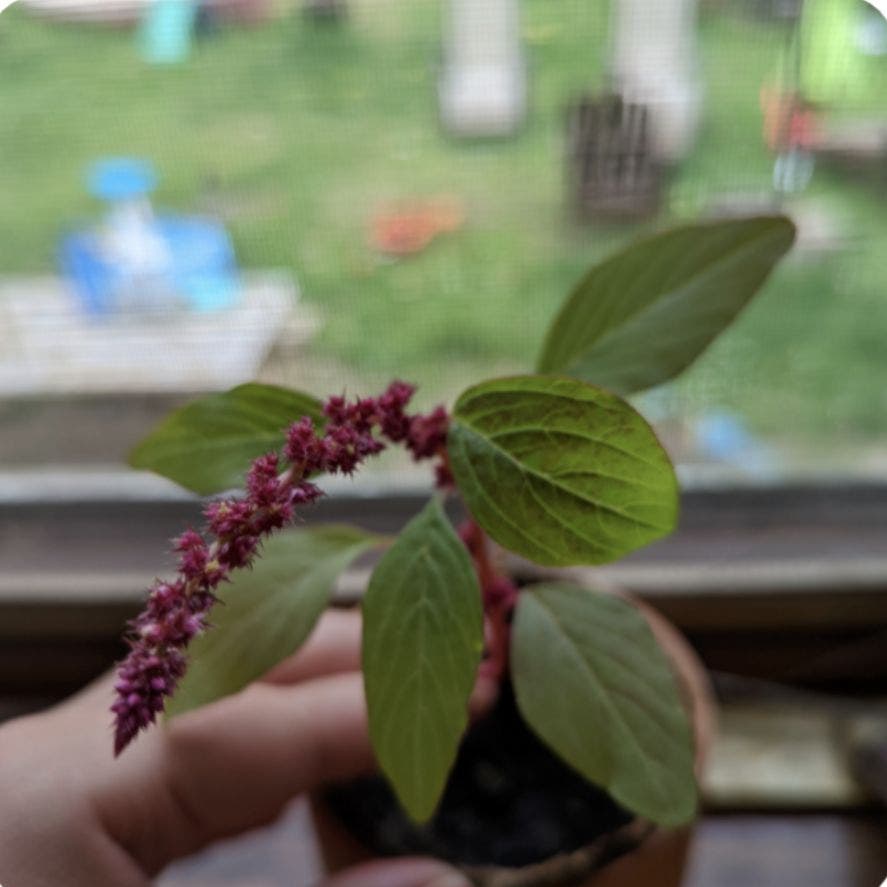
Why Red Amaranth Is An Annual Plant
Amaranthus gangeticus
By the Greg Editorial Team
Nov 06, 2024•5 min read
This article was created with the help of AI so we can cover more plants for you. May contain errors. See one? Report it here.
Unlock your garden's potential with Red Amaranth's vibrant growth and resilience! 🌿
- 🌱 Red Amaranth germinates quickly, thriving in warm, sunny, well-drained environments.
- 🌾 It produces up to 100,000 seeds, showcasing remarkable reproductive capacity.
- 🌍 Adaptable and resilient, Red Amaranth flourishes in diverse climates and conditions.
Characteristics of Red Amaranth as an Annual
🌱 Lifecycle and Growth Patterns
Red Amaranth is a fascinating annual plant with a lifecycle that unfolds rapidly. Under optimal conditions, it germinates within 7 to 14 days, setting the stage for its vibrant growth.
The growth stages of Red Amaranth include seedling, vegetative, flowering, and seed production. Each stage has its own duration, influenced by environmental factors such as temperature and light.
This plant typically exhibits an upright, bushy structure, making it visually striking in any garden. For optimal growth, Red Amaranth thrives in warm temperatures, full sunlight, and well-drained soil.
🌼 Reproductive Strategies and Seed Production
One of the standout features of Red Amaranth is its vibrant red inflorescences, which attract pollinators and enhance its reproductive success. Each plant can produce up to 100,000 seeds, showcasing its impressive reproductive capacity.
Seed dispersal mechanisms are equally diverse, relying on wind, water, and animal interactions to spread its progeny. This adaptability ensures that Red Amaranth can colonize new areas effectively, contributing to its status as a resilient annual plant.
As we explore the evolutionary advantages of being an annual plant, we will uncover how these characteristics play a crucial role in its survival and success.
Evolutionary Advantages
🌱 Benefits of Being an Annual Plant
Red Amaranth thrives as an annual plant due to its rapid lifecycle. This quick turnaround allows it to adapt swiftly to changing environments, ensuring survival even in unpredictable conditions.
In a single growing season, Red Amaranth can produce a remarkable number of seeds, significantly increasing its reproductive output. This prolific nature not only enhances its chances of survival but also enables it to colonize new areas effectively.
🌍 Adaptation Strategies in Various Environments
One of the key strengths of Red Amaranth is its tolerance to drought and nutrient-poor soils. This resilience allows it to flourish in less-than-ideal conditions where other plants might struggle.
Additionally, Red Amaranth employs various mechanisms to survive environmental stressors. For instance, it can adjust its growth patterns based on available resources, ensuring it remains competitive.
Successful adaptations can be observed in diverse climates, showcasing the plant's versatility. Whether in arid regions or nutrient-deficient soils, Red Amaranth demonstrates an impressive ability to thrive and reproduce.
As we explore the impact of its annual lifecycle next, we’ll see how these evolutionary advantages translate into practical benefits for gardeners and ecosystems alike.
Impact of Annual Lifecycle
🌱 Growth and Flowering Timeline
The journey of Red Amaranth from germination to seed production typically spans 60 to 90 days. This rapid lifecycle is influenced by several factors, including temperature, day length, and moisture levels.
Timing is crucial for Red Amaranth, as it must align with seasonal changes to thrive. Understanding these factors can help gardeners optimize their planting schedules for the best results.
🌾 Seed Production and Dispersal Mechanisms
Once flowering occurs, seed maturation begins, with timing playing a vital role in dispersal. Red Amaranth can produce a staggering number of seeds, ensuring its survival and spread.
To maximize seed viability, plants employ various strategies for dispersal success. Environmental conditions, such as wind and moisture, significantly impact germination rates, making it essential to consider these elements in gardening practices.
As we explore the evolutionary advantages of being an annual plant, we’ll uncover how these traits enhance survival and adaptability in diverse environments.
Variations and Exceptions
🌱 Instances of Biennial or Perennial Behavior
While Red Amaranth is primarily an annual plant, certain conditions can prompt it to exhibit biennial or even perennial traits. For instance, if the climate is particularly mild or if the plant is grown in a protected environment, it may survive beyond its typical lifecycle.
Environmental factors play a significant role in this extended behavior. Prolonged periods of favorable weather, such as consistent moisture and moderate temperatures, can encourage Red Amaranth to persist for more than one growing season.
🌿 Hybridization and Genetic Variability
Hybridization also contributes to the variability in Red Amaranth's lifecycle. When different strains of Amaranth cross-pollinate, the resulting offspring may inherit traits that allow for longer lifespans. This genetic diversity can lead to fascinating adaptations, enabling some plants to thrive in conditions that would typically limit their growth.
Understanding these variations can enhance your gardening strategies. By recognizing the potential for extended lifecycles, you can better plan your planting and harvesting schedules, ensuring a more fruitful garden experience.
As we explore the gardening strategies next, consider how these variations can influence your approach to cultivating Red Amaranth.
Gardening Strategies
Utilizing Red Amaranth's Annual Nature in Garden Design 🌱
Red Amaranth is a fantastic addition to both annual flower beds and vegetable gardens. Its vibrant foliage and striking red inflorescences not only provide visual appeal but also attract beneficial pollinators.
Companion planting with Red Amaranth can enhance your garden's productivity. Pairing it with other annuals and perennials can create a thriving ecosystem, improving growth and pest resistance.
Tips for Succession Planting and Extending the Growing Season 🌿
To ensure a continuous harvest, consider staggered planting techniques. This approach allows you to enjoy fresh leaves and seeds throughout the growing season.
For late-season planting, focus on quick-maturing varieties of Red Amaranth. Providing care during cooler months, such as mulching, can help protect young plants.
Using protective measures like row covers can significantly extend your growing periods. These simple tools shield plants from frost while allowing sunlight to nourish them.
Incorporating these strategies will not only maximize your garden's potential but also deepen your connection to this remarkable plant. As you experiment with Red Amaranth, you'll discover its versatility and resilience, making it a rewarding choice for any gardener.
⚠️ Safety First
This content is for general information and may contain errors, omissions, or outdated details. It is not medical, veterinary advice, or an endorsement of therapeutic claims.
Always consult a qualified healthcare professional before using any plant as food, medicine, or supplement.
Never eat any plant (or feed one to pets) without confirming its identity with at least two trusted sources.
If you suspect poisoning, call Poison Control (800) 222-1222, the Pet Poison Helpline (800) 213-6680, or your local emergency service immediately.
Spotted an error? Please report it here.
Unlock the secrets of Red Amaranth's resilience 🌿 with Greg's tailored care tips and reminders, ensuring a thriving garden and a bountiful harvest all season long!