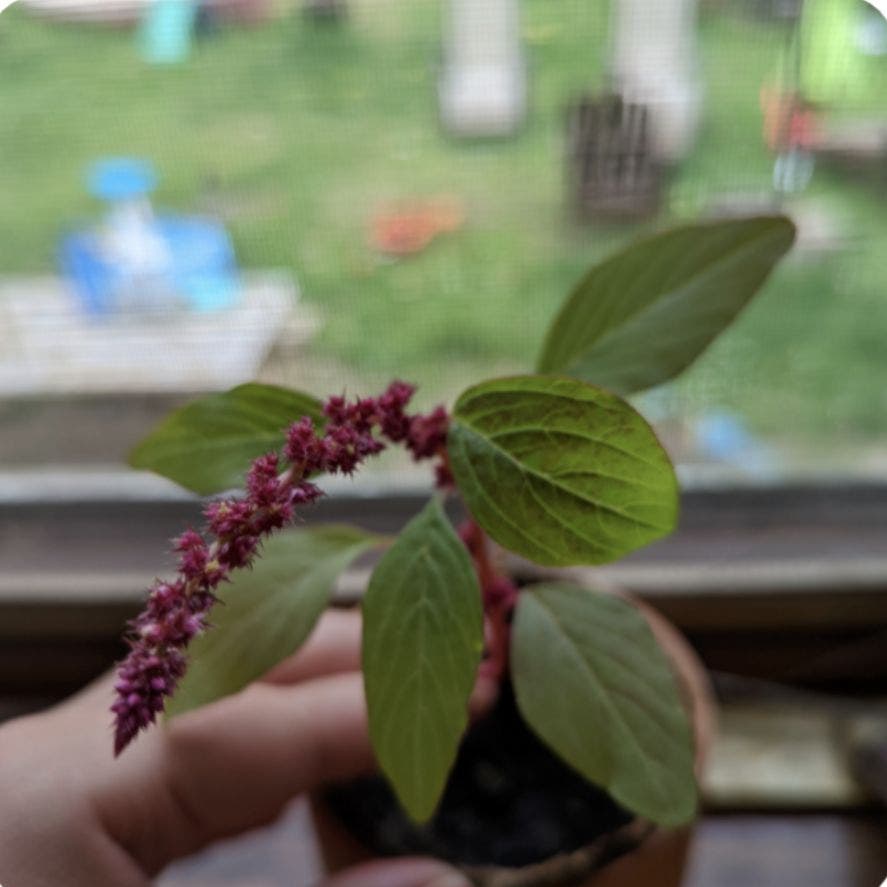
Dealing with Bugs on Your Red Amaranth 🐛
Amaranthus gangeticus
By the Greg Editorial Team
Nov 06, 2024•7 min read
This article was created with the help of AI so we can cover more plants for you. May contain errors. See one? Report it here.
Empower your red amaranth to thrive by mastering pest management strategies for a vibrant garden! 🌿
- 🐞 Red Amaranth faces pests like spider mites, aphids, and mealybugs; early detection is key.
- 🌱 Organic treatments such as neem oil and beneficial insects effectively manage pest issues.
- 🔍 Regular inspections and healthy soil reduce pest susceptibility, ensuring thriving plants.
Common Pests Affecting Red Amaranth
🕷️ Spider Mites
Identification
Spider mites are tiny, spider-like creatures that can be red or green. Look for fine webbing on leaves and stippled or yellowing foliage as signs of their presence.
Damage Caused
These pests feed on plant sap, which weakens the plants and stunts their growth. Additionally, they can leave sticky leaves due to honeydew secretion, creating a mess on your plants.
Treatment Options
For chemical control, use miticides specifically targeting spider mites. Organic options include neem oil, insecticidal soap, and increasing humidity around your plants to deter these pests.
🐢 Scale Insects
Identification
Scale insects appear as small, oval-shaped scales, often brown or white, on stems and leaves. Sticky leaves and sooty mold from honeydew are common signs of an infestation.
Damage Caused
These pests feed on sap, leading to yellowing leaves and stunted growth. Their presence can significantly affect the overall health of your red amaranth.
Treatment Options
Chemical treatments involve systemic insecticides that penetrate the plant. For organic solutions, consider using horticultural oils or manually removing them with a soft brush.
🦟 Fungus Gnats / Fruit Flies
Identification
Fungus gnats are small, dark flies that hover near the soil. You may also notice larvae visible in the soil, which can indicate root damage.
Damage Caused
These pests can cause root damage, leading to poor nutrient uptake and overall plant stress. Their presence can be particularly detrimental to young plants.
Treatment Options
Chemical options include insecticides targeting larvae. For organic control, allow the soil to dry out between waterings and use yellow sticky traps to catch adult flies.
❄️ Mealybugs
Identification
Mealybugs look like white, cottony masses on stems and leaf joints. Sticky leaves and potential sooty mold are also indicators of an infestation.
Damage Caused
These sap-sucking pests weaken plants and reduce their vigor. If left unchecked, they can lead to significant health issues for your red amaranth.
Treatment Options
Chemical treatments include insecticidal soap or systemic insecticides. For an organic approach, use rubbing alcohol on cotton swabs to remove infestations effectively.
🐜 Aphids
Identification
Aphids are small, soft-bodied insects that can be green or black. Signs of their presence include curling leaves, sticky surfaces, and the presence of ants.
Damage Caused
These pests feed on sap, causing distorted growth and potentially transmitting diseases. Their rapid reproduction can lead to larger infestations if not managed.
Treatment Options
Chemical control involves broad-spectrum insecticides. For organic methods, introduce ladybugs, or use neem oil and insecticidal soap to keep their numbers in check.
🦋 Whiteflies
Identification
Whiteflies are tiny, moth-like insects found on the undersides of leaves. Look for yellowing leaves and sticky residue as signs of their activity.
Damage Caused
Feeding on sap weakens plants and can lead to disease spread. Their presence can significantly impact the health of your red amaranth.
Treatment Options
Chemical treatments specifically target whiteflies with insecticides. Organic options include using yellow sticky traps and insecticidal soap to manage their populations.
🐞 Weevils
Identification
Weevils are small beetles characterized by their elongated snouts. Signs include holes in leaves and potential larvae found in the soil.
Damage Caused
These pests cause leaf damage and root feeding, leading to plant stress. Their impact can be severe, especially in larger infestations.
Treatment Options
Chemical control involves insecticides targeting adult weevils. For organic solutions, consider using diatomaceous earth and beneficial nematodes to combat these pests.
Understanding these common pests and their management options is crucial for maintaining the health of your red amaranth. By staying vigilant and proactive, you can ensure your plants thrive despite potential pest pressures. Next, let’s explore the natural pest resistance characteristics of red amaranth.
Pest Resistance
🌱 Natural Pest Resistance Characteristics
Red Amaranth is surprisingly resilient against certain pests, making it a favorite among gardeners. Its thick foliage and robust growth habits play a crucial role in this natural pest resistance.
The plant's dense leaves create a challenging environment for pests to thrive. This physical barrier, combined with its vigorous growth, helps Red Amaranth withstand minor pest pressures without significant damage.
🐛 Pests Less Likely to Affect Red Amaranth
While no plant is entirely pest-proof, some pests are less likely to bother Red Amaranth. For instance, common pests like caterpillars and certain beetles tend to avoid this hardy plant.
Gardeners often find that Red Amaranth can thrive even when faced with some pest challenges. Its innate resilience allows it to flourish, showcasing its ability to adapt and grow despite occasional infestations.
This natural strength not only makes Red Amaranth a low-maintenance option but also encourages a more sustainable gardening approach. By understanding its pest resistance, you can better appreciate the plant's role in your garden ecosystem.
As we move forward, let's explore effective prevention strategies to keep your Red Amaranth thriving and pest-free.
Prevention Strategies
🛡️ Preventative Measures to Avoid Pest Infestations
Regular inspections of your red amaranth are crucial. Look for early signs of pests, such as discolored leaves or unusual webbing, to catch infestations before they escalate.
Maintaining healthy soil and proper watering practices also plays a significant role in pest prevention. Strong, well-nourished plants are less susceptible to pest damage, so ensure your amaranth receives the nutrients it needs.
🧼 Tips on Plant Hygiene and Inspection Routines
Cleanliness is key in the battle against pests. Regularly clean your gardening tools and pots to prevent the transfer of pests from one plant to another.
Additionally, removing debris and fallen leaves around your plants can significantly reduce pest habitats. This simple act not only keeps your garden tidy but also minimizes the chances of pests finding a cozy home in your red amaranth.
By implementing these preventative strategies, you can foster a healthier environment for your plants and reduce the likelihood of pest infestations. This proactive approach sets the stage for a thriving garden, ready to flourish despite potential challenges.
General Pest Management
🌱 Integrated Pest Management (IPM) Principles for Red Amaranth
Integrated Pest Management (IPM) is a holistic approach to pest control that is particularly relevant for Red Amaranth care. It combines cultural, biological, and chemical methods to create a balanced strategy for managing pests effectively.
Cultural practices include maintaining healthy soil and proper watering techniques, which promote robust plant growth. Biological methods involve introducing beneficial insects that prey on pests, while chemical methods should be used judiciously to minimize harm to the environment.
🔍 Importance of Early Detection and Intervention
Monitoring your Red Amaranth for signs of pests is crucial for effective management. Regular inspections can help you catch infestations early, allowing for timely intervention.
Addressing pest issues promptly can prevent larger infestations that could jeopardize your plants' health. Early detection not only saves your plants but also reduces the need for more aggressive treatments later on.
By adopting these IPM principles and focusing on early detection, you can cultivate a thriving Red Amaranth garden, resilient against pest pressures.
Distinguishing Between Similar Pests
Tips for Identifying Different Types of Pests That May Look Alike 🐞
Identifying pests accurately is crucial for effective pest management. Many pests share similar features, making it easy to confuse them.
Aphids vs. Mealybugs
- Aphids are small, soft-bodied insects that can be green, black, or even pink. They often cluster on new growth and can cause curling leaves.
- Mealybugs, on the other hand, appear as white, cottony masses, usually found at leaf joints or on stems. Their sticky residue can lead to sooty mold.
Spider Mites vs. Thrips
- Spider mites are tiny and often red or green, leaving fine webbing on leaves. Look for stippled or yellowing foliage as a sign of their presence.
- Thrips are slender, tiny insects that can be yellow or black. They cause silvering on leaves and can be harder to spot due to their size.
Importance of Accurate Identification for Effective Treatment Options 🔍
Correctly identifying pests not only helps in choosing the right treatment but also prevents unnecessary chemical use. Misidentifying a pest can lead to ineffective treatments and further damage to your plants.
Regular inspections and a keen eye for detail can make all the difference. Understanding the unique characteristics of each pest empowers you to act swiftly and effectively, ensuring your red amaranth thrives despite potential threats.
With this knowledge, you're better equipped to tackle pest issues head-on, setting the stage for healthier plants and a more vibrant garden.
⚠️ Safety First
This content is for general information and may contain errors, omissions, or outdated details. It is not medical, veterinary advice, or an endorsement of therapeutic claims.
Always consult a qualified healthcare professional before using any plant as food, medicine, or supplement.
Never eat any plant (or feed one to pets) without confirming its identity with at least two trusted sources.
If you suspect poisoning, call Poison Control (800) 222-1222, the Pet Poison Helpline (800) 213-6680, or your local emergency service immediately.
Spotted an error? Please report it here.
Keep your Red Amaranth thriving 🌱 by using Greg's tailored care tips and reminders to tackle pests effectively and ensure a flourishing garden!