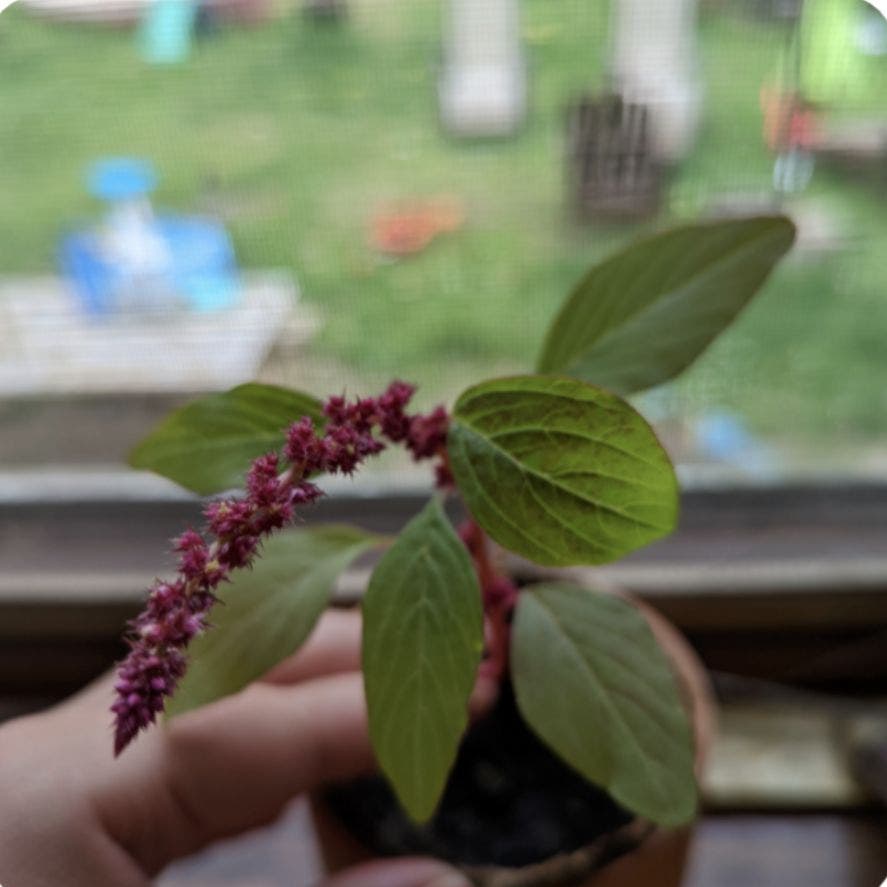
❄️ Cold-Tolerant Red Amaranth Hardiness Zones 2a-11b
Amaranthus gangeticus
By the Greg Editorial Team
Nov 06, 2024•4 min read
This article was created with the help of AI so we can cover more plants for you. May contain errors. See one? Report it here.
Master red amaranth's temperature tolerance 🌱 to ensure a thriving garden and bountiful harvest, no matter the climate!
- ❄️🌱 Red amaranth tolerates light frosts, surviving temperatures as low as 28°F (-2°C).
- 🌞🌡️ Optimal growth occurs between 70°F to 90°F, ideal for planting after the last frost.
- 🌍🌿 Suitable for USDA zones 2a-11b, thriving in diverse climates from north to south.
Red Amaranth Temperature Tolerance
❄️ Cold Tolerance Specifics
Red amaranth is impressively resilient, able to survive light frosts with temperatures dipping as low as 28°F (-2°C). For optimal growth, it's best to plant it after the last frost, allowing the plant to thrive without the risk of frost damage.
☀️ Heat Tolerance Specifics
This vibrant plant thrives in warm conditions, with optimal growth occurring between 70°F to 90°F (21°C to 32°C). Its ability to withstand heat stress makes red amaranth a fantastic choice for warmer climates, ensuring a robust yield even during hot spells.
🌡️ Ideal Temperature Ranges for Optimal Growth
To summarize, red amaranth's cold tolerance allows it to endure temperatures down to 28°F (-2°C), while it can handle heat up to 95°F (35°C) for short periods. However, fluctuations in temperature can significantly impact growth and yield, making it essential to monitor conditions closely for the best results.
Understanding these temperature tolerances is crucial for successful cultivation, especially in varying climates. As we explore ideal growing regions next, consider how these temperature ranges play a role in selecting the best locations for planting red amaranth.
Ideal Growing Regions
🌱 Examples of US States Suitable for Red Amaranth
Red amaranth thrives across a wide range of USDA hardiness zones, specifically from 2a to 11b. In the northern states, you'll find it flourishing in Minnesota and North Dakota, which fall under zone 2a.
Moving southward, central states like Kansas and Nebraska, categorized in zones 5a-6b, also provide suitable conditions. Finally, the warmer southern states, including Florida and Texas, thrive in zones 8a-11b, making them ideal for red amaranth cultivation.
🌤️ Factors Contributing to Ideal Growing Conditions
Soil quality plays a crucial role in the successful growth of red amaranth. It prefers well-drained, nutrient-rich soils, which can be found in various regions across the United States.
Additionally, climate factors significantly enhance its growth. Warm summers paired with moderate winters create an optimal environment for this resilient plant.
🌍 Comparison of Different Regions Within Suitable Zones
Growing conditions can vary widely even within the suitable zones for red amaranth. Factors such as rainfall, humidity, and temperature differences can significantly impact its growth.
Local climate characteristics also influence yield. For instance, regions with consistent warmth and adequate moisture can lead to more robust growth and higher seed production. Understanding these nuances can help growers maximize their success with red amaranth.
As we explore the next section, we'll delve into how microclimates can further extend the growing zones for this versatile plant.
Microclimates and Their Impact
🌡️ How Microclimates Can Extend Growing Zones
Microclimates play a crucial role in expanding the growing potential for Red Amaranth. These localized areas can create warmer conditions that allow for cultivation beyond the typical hardiness zones.
Urban environments often act as heat islands, absorbing and retaining warmth. This phenomenon can significantly benefit Red Amaranth, enabling it to thrive even in cooler climates.
🌆 Examples of Microclimates That Benefit Cultivation
Urban gardens are prime examples of microclimates that enhance growing conditions. The heat generated by buildings and pavement creates a warmer environment, allowing for extended growing seasons.
Coastal areas also provide favorable conditions for Red Amaranth. The ocean moderates temperatures, resulting in milder climates that can support healthy plant growth throughout the year.
Understanding these microclimates can empower gardeners to maximize their yields. By recognizing and utilizing these unique environments, you can cultivate Red Amaranth successfully, even in less-than-ideal conditions.
As we explore the state-level suitability analysis, we’ll delve deeper into which regions are best suited for this resilient plant.
State-Level Suitability Analysis
List of US States in Hardiness Zones 2a-11b 🌱
Red amaranth thrives in a variety of climates across the United States, particularly in USDA hardiness zones 2a to 11b. Suitable states include:
- Minnesota
- Kansas
- Texas
- Florida
These regions provide the necessary temperature ranges and growing conditions for successful cultivation.
States Where Red Amaranth Is Not Suitable and Reasons Why 🚫
While many states are ideal for growing red amaranth, some are not.
- Alaska faces extreme cold temperatures and has a short growing season, making it challenging for red amaranth to mature.
- Northern Maine experiences late last frosts and early first frosts, which limits the plant's growth potential.
These conditions create barriers that prevent successful cultivation.
Discussion of Specific Challenges in Unsuitable States 🥶
In colder states, several challenges hinder the growth of red amaranth.
- Frost damage is a significant risk, as frosts can occur before the plants reach maturity.
- Additionally, the short growing season limits the time available for optimal growth and seed production.
These factors make it difficult for red amaranth to thrive in regions outside the recommended hardiness zones.
Understanding these challenges can help gardeners make informed decisions about where to plant red amaranth, ensuring a successful harvest. As we explore the next section, we’ll delve into the microclimates that can extend growing zones and enhance cultivation opportunities.
⚠️ Safety First
This content is for general information and may contain errors, omissions, or outdated details. It is not medical, veterinary advice, or an endorsement of therapeutic claims.
Always consult a qualified healthcare professional before using any plant as food, medicine, or supplement.
Never eat any plant (or feed one to pets) without confirming its identity with at least two trusted sources.
If you suspect poisoning, call Poison Control (800) 222-1222, the Pet Poison Helpline (800) 213-6680, or your local emergency service immediately.
Spotted an error? Please report it here.
Maximize your red amaranth's potential with Greg's tailored care tips 🌱, ensuring it thrives in your unique climate and hardiness zone for a bountiful harvest!